 Sudden Valley Siding
 Board & Batten Siding, Built for Ferndale's Climate
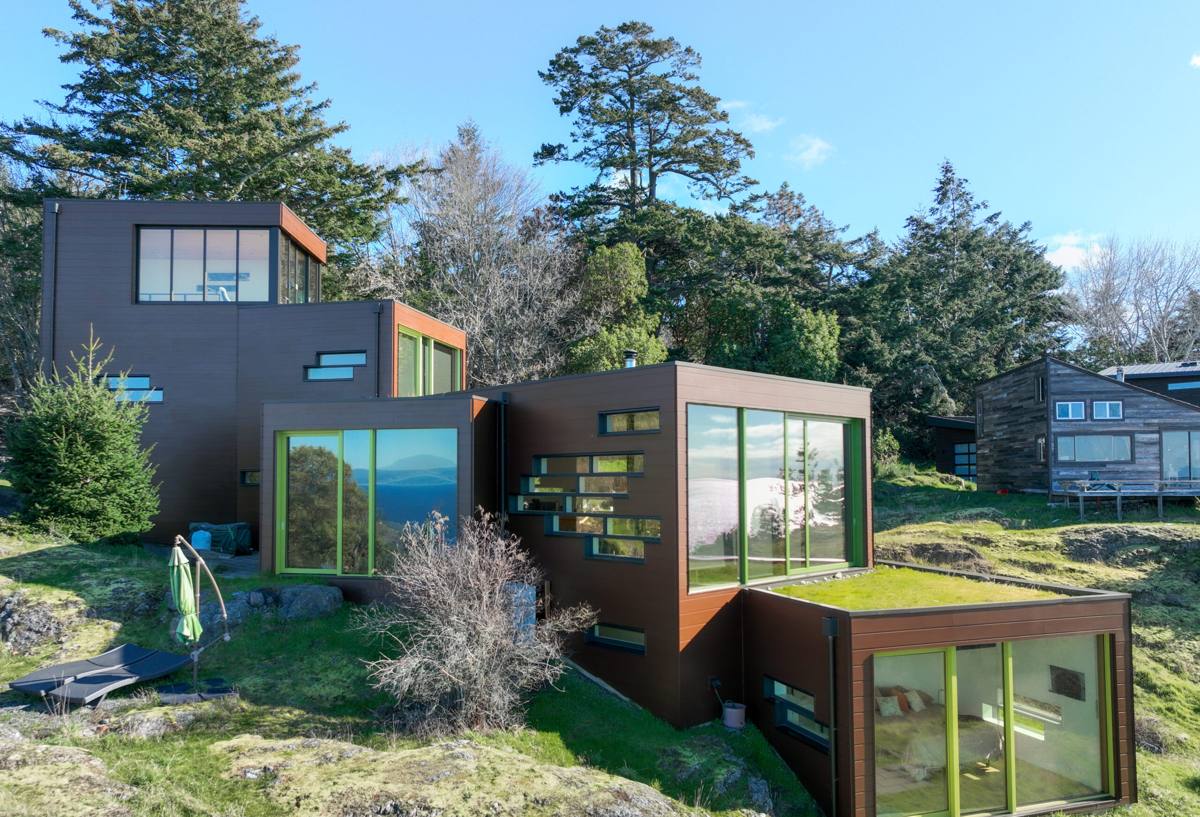
Board and batten has been showing up on homes around Ferndale for a simple reason: it looks sharp, it reads as substantial from the street, and it pairs well with the mix of farmhouse, craftsman, and modern builds you see between the Nooksack River bottomland and the edges of Sudden Valley. But the look is only half the story. Out here, board and batten siding has to survive salt-laden air rolling in off Bellingham Bay and the Strait of Georgia, long stretches of driving rain off the water, and a moss season that can run most of the year in shaded, north-facing yards. A board and batten installation that isn't built for that specific combination will show problems faster than a standard lap siding job would, simply because of how the profile is put together.
This page is about doing board and batten right for a Ferndale house — not board and batten in general. The material, the layout, the flashing details, and the maintenance expectations all shift once you factor in this area's weather.
Why Ferndale's Climate Is Hard on Board and Batten Specifically
Salt Air
Ferndale sits close enough to the water that windborne salt is a real factor, especially on homes with west or northwest exposure. Salt accelerates corrosion on exposed metal — fasteners, flashing, trim caps — and it's more aggressive on wood-based or engineered wood siding than on fiber cement. Board and batten has more vertical seams and more exposed fastener locations per square foot than horizontal lap siding, which means more places where a weak material or a rushed installation lets salt-laden moisture in.
Driving Rain
Storms coming off the Strait don't fall straight down — they come in sideways, and board and batten's vertical orientation puts every seam directly in the path of that wind-driven water. The battens (the narrow strips covering the joints between wider boards) are doing real structural work here, not just decorative work. If they're spaced wrong, under-fastened, or installed without a proper drainage plane behind them, water finds its way behind the boards and stays there.
Moss Season
Shaded lots, tree cover, and Whatcom County's damp winters mean moss and algae growth is a near-constant battle for anything north-facing or tucked under eaves. On board and batten, moss tends to establish first in the horizontal ledges where battens meet the top of a wall or a window head — anywhere water can sit instead of shed. A siding material that absorbs moisture gives moss a foothold; one that doesn't makes cleaning it off a cosmetic task instead of a maintenance emergency.
What a Correct Board and Batten Job Involves
Board and batten looks simple from the curb — vertical boards, narrow strips over the seams — but the assembly behind that simple look is what determines whether it lasts 10 years or 40.
- Weather-resistive barrier: A continuous, properly lapped house wrap or building paper behind the siding, with every penetration (windows, outlets, vents) flashed and integrated into that barrier before a single board goes up.
- Drainage plane: On a house facing Ferndale's rain load, we install furring strips to create a rainscreen gap so any water that does get behind the boards has somewhere to drain and dry out, instead of sitting against the wall sheathing.
- Batten spacing and fastening: Battens need consistent spacing over the underlying board joints and studs, with fasteners set to manufacturer spec — not just "close enough." Under-fastened battens are one of the most common board and batten failures we see on older homes.
- Flashing at every horizontal transition: Window heads, water tables, roof-to-wall intersections — anywhere a horizontal surface meets vertical siding needs metal flashing, not just caulk. Caulk fails; flashing sheds water by design.
- Bottom clearance: Board and batten needs proper clearance off grade, decks, and patios so the bottom edge isn't sitting in standing water or snow after a storm.
Why We Install James Hardie for Board and Batten — Not Wood or LP
Board and batten has traditionally been a wood siding look, and a lot of homeowners still picture cedar or primed spruce boards when they think of it. We don't install those, and we don't install LP SmartSide board and batten panels either. Here's the honest reasoning, not a sales pitch.
Wood board and batten — cedar or primed spruce — looks great fresh, but it's an organic material in a climate that stays damp for months at a time. It moves with moisture, it needs repainting on a real schedule, and any gap that opens at a seam or fastener point gives water and eventually rot a place to start. In salt air and moss conditions, that maintenance clock runs faster than it would inland.
LP SmartSide is an engineered wood product — wood strand substrate with a resin binder and overlay. It's a reasonable product with a real warranty, and we're not going to pretend otherwise. But it's still wood-based at its core, which means its long-term performance depends heavily on caulking, painting, and edge-sealing being maintained on schedule. On a home exposed to sustained coastal moisture, that's a maintenance commitment we don't think is realistic for most owners, and it's specifically why we standardized on a different material.
James Hardie fiber cement board and batten — whether that's HardiePanel vertical siding with HardieTrim battens, or the Artisan line for a more refined reveal — is cement, sand, and cellulose fiber. It doesn't absorb water the way wood or wood-strand products do, it doesn't rot, and it's non-combustible, which matters given the wildfire-adjacent risk category much of Western Washington now carries. It comes pre-primed or with the factory ColorPlus finish, which holds color and resists the kind of fading and chalking you see on repainted wood siding after a few Whatcom County winters. The HZ5 product line Hardie engineers for the Pacific Northwest is built around exactly the moisture and freeze-thaw conditions Ferndale sees.
That's the whole case: we're not saying wood or LP siding is bad. We're saying that for board and batten specifically, in this climate, fiber cement holds up with less maintenance and less risk, and that's what we're willing to put our name behind.
Material Comparison for Board and Batten in Ferndale's Climate
| Factor | Cedar / Primed Spruce | LP SmartSide | James Hardie Fiber Cement |
|---|---|---|---|
| Moisture absorption | High — swells, cups, checks | Moderate — engineered but wood-based | Very low — cement-based |
| Salt air resistance | Poor without diligent upkeep | Fair with sealed edges | Strong — inert to salt |
| Repainting cycle | 3-7 years | 7-10 years typically | ColorPlus finish rated 15 years+ |
| Moss/algae resistance | Low — organic surface | Moderate | High — non-porous surface |
| Fire rating | Combustible | Combustible | Non-combustible |
| Typical warranty | Varies by installer | Manufacturer, prorated | 30-year limited, transferable |
How We Approach a Ferndale Board and Batten Project
1. On-Site Assessment
We look at exposure first — which walls take the direct hit from prevailing storms, where moss is already established, where the old siding is failing and why. That assessment shapes the flashing and rainscreen detailing more than the color selection does.
2. Tear-Off and Sheathing Check
Once the old siding is off, we inspect the sheathing for hidden rot or water damage before anything new goes up. Covering a compromised wall with new siding just hides the problem — we repair what needs repairing first.
3. Weather Barrier and Rainscreen Installation
Continuous house wrap, correctly lapped, with furring strips installed for drainage behind the battens. This is the step that determines whether the siding survives the next 30 years of driving rain.
4. Flashing and Trim
Metal flashing at every window, door, and horizontal transition, integrated into the weather barrier — not applied on top of finished siding as an afterthought.
5. Board and Batten Installation
HardiePanel or Artisan boards installed to Hardie's fastening spec, with battens set at consistent, engineered spacing over the seams and studs.
6. Final Walkthrough
We walk the finished job with the homeowner, check reveal lines, caulking at penetrations, and clearance at grade and decks before calling it done.
Why It Matters That We Already Work in Ferndale
A crew that's worked houses throughout Ferndale and the wider Sudden Valley area already knows which exposures take the worst of the winter storms, where moss builds up fastest, and how local permitting and inspection expectations run. That's not a marketing point — it changes real decisions on a board and batten job, like where extra flashing is worth the added labor versus where standard detailing is sufficient. An out-of-area crew unfamiliar with Whatcom County's rain and salt exposure is more likely to treat every wall the same, which is exactly how avoidable callbacks happen.
Maintenance Checklist for Board and Batten Homeowners
- Rinse siding annually, focusing on north-facing and shaded walls where moss establishes first
- Inspect caulking at window and door trim every year or two; recaulk before gaps open up
- Check batten fastening after major wind events for any loosening
- Keep gutters clear so overflow isn't running down the wall face during storms
- Trim back vegetation and tree cover that keeps walls shaded and damp longer than necessary
- Watch bottom edges near grade, decks, and patios for standing water or debris buildup
Get an Honest Look at Your Project
If you're weighing board and batten for a Ferndale home, we're happy to walk the property, look at your exposure and existing siding condition, and give you a straight answer on what the job actually needs — no pressure, no inflated scope. Reach out for a free estimate and we'll go from there.