 Sudden Valley Siding
 Siding Installation Built for Bellingham's Weather, Not Just Its Look
Bellingham sits in a tough spot for exterior siding. You've got salt-laden air moving in off the Salish Sea, long stretches of driving rain that come sideways off the water, and a wet, shaded climate that keeps moss and algae active for most of the year. Add in the humidity that settles over Whatcom County through fall and winter, and you have a set of conditions that will find every weak point in a siding job within a few seasons. A siding installation that looks fine on move-in day but wasn't built for this specific climate usually starts showing problems by year three or four — not because the homeowner did anything wrong, but because the product or the installation wasn't matched to the environment.
Sudden Valley Siding Company installs James Hardie fiber cement siding exclusively, and Bellingham is one of the areas we work in regularly. This page focuses on one thing: what a correct siding installation looks like for a home in this specific part of Whatcom County, and why the details matter more here than in a drier, milder climate.
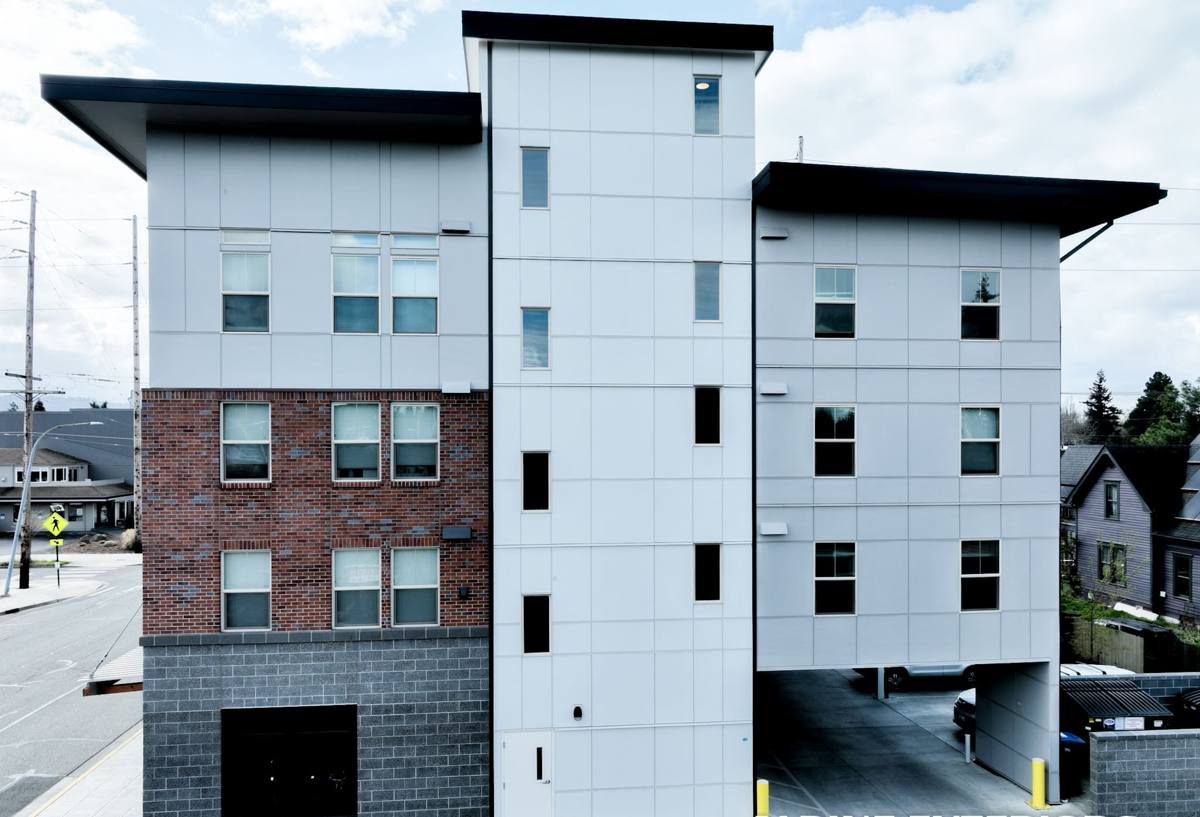
What Bellingham's Climate Actually Does to Siding
Salt Air and Moisture-Driven Corrosion
Homes closer to Bellingham Bay and the surrounding waterways deal with airborne salt that accelerates corrosion on fasteners, flashing, and trim. Over time, salt exposure combined with constant moisture works into any gap or seam in a siding system, especially around fastener heads and joints that weren't properly sealed or backed. This is less about the siding material itself and more about how every metal component and every seam was detailed during installation.
Driving Rain and Wind-Driven Water Intrusion
Rain in this region doesn't just fall — storms coming off the water frequently push rain sideways into exterior walls. That means siding here needs a real water-management system behind it: proper weather-resistive barrier, correctly lapped flashing, and siding courses installed with the right reveal and fastening pattern to shed water instead of trapping it. A siding job that would hold up fine in a calmer climate can fail here specifically because it wasn't detailed for wind-driven rain.
Moss and Algae Season
Bellingham's tree cover, cloud cover, and dampness create ideal conditions for moss and algae growth on north-facing and shaded walls for much of the year. Siding that stays damp longer because of poor drainage, tight clearances at grade, or insufficient ventilation behind the cladding will grow moss faster and hold moisture against the substrate longer — which shortens the life of paint, caulk, and eventually the siding itself.
Why We Install Only James Hardie Fiber Cement
We made a decision early on to install one product system — James Hardie fiber cement siding — and nothing else. Not vinyl, not LP SmartSide, not primed wood, not other fiber cement brands. That's not a marketing angle; it's a standard we hold because of what this climate does to exterior materials over a 20-30 year window.
James Hardie fiber cement is non-combustible, doesn't absorb water and swell the way wood-based or engineered wood products can, and holds paint and factory finish far longer than vinyl in a wet, shaded environment like Bellingham. Hardie also engineers specific product formulations for different climate zones — the HZ5 line used in the Pacific Northwest is built to perform in freeze-thaw cycles and sustained moisture exposure, which is exactly what this region delivers. When we install it correctly, to Hardie's published specifications, it comes with a strong transferable warranty backing both the material and the ColorPlus factory finish where applicable.
What a Correct James Hardie Installation Involves
The material is only half the equation. A huge percentage of siding failures in this region trace back to installation shortcuts, not the product itself. On every Bellingham-area job, we hold to the same non-negotiables:
- Weather-resistive barrier installed and lapped correctly before any siding goes up
- Rainscreen or proper ventilation gap where conditions call for it, so walls can dry out between storms
- Correct starter strip and first-course height to keep the bottom edge clear of splashback and standing water
- Flashing integrated at every window, door, roofline, and horizontal trim intersection — not caulk used as a substitute for flashing
- Manufacturer-specified fastener type, spacing, and penetration depth, using corrosion-resistant fasteners suited to a salt-air environment
- Proper board-to-board and butt-joint gaps, caulked with a high-quality sealant rated for exterior use, not just close-butted and painted over
- Minimum clearance maintained between the bottom of the siding and grade, decks, or roof lines to prevent wicking
- Field-cut edges sealed per Hardie's specification before installation, since raw cut edges are the most common point of moisture entry
Skip any one of these steps and you can still end up with siding that looks acceptable for a couple of years — but in a climate like Bellingham's, the shortcuts show up early, usually as staining, soft spots, or paint failure at the joints first.
Our Installation Process for Bellingham Homes
1. On-Site Assessment
We walk the exterior and look specifically at exposure — which walls take the most wind-driven rain, which sides stay shaded and damp longest, where moss is already established, and where existing trim, flashing, or drainage details need attention before new siding goes on.
2. Substrate and Moisture Check
Before any siding comes off, we check for existing moisture damage behind the current cladding. In a climate this wet, it's common to find soft sheathing or trapped moisture that needs to be addressed before a new water-management system can do its job.
3. Water-Resistive Barrier and Flashing
We install or replace the weather-resistive barrier and integrate flashing at every penetration and transition — this is the layer that does the real work of keeping water out, and it's the step that gets skipped most often on lower-quality installs.
4. James Hardie Installation to Spec
Siding, trim, and any soffit or fascia components go up following Hardie's published installation guidelines for this climate zone, with attention to fastener corrosion resistance given the salt-air exposure closer to the water.
5. Final Detailing and Walkthrough
Caulking, touch-up, and a final walkthrough to confirm reveals, gaps, and clearances are correct — the details that determine how the siding performs over the next two decades, not just how it looks on installation day.
Choosing the Right James Hardie Line and Finish
James Hardie offers several siding profiles and a factory ColorPlus finish option, and the right choice depends on the home's style and its specific exposure in Bellingham.
| Consideration | What It Means for a Bellingham Home |
|---|---|
| Lap siding vs. panel systems | Lap siding sheds wind-driven rain well when installed with correct reveal; panel systems suit certain architectural styles but need extra attention to joint sealing |
| ColorPlus factory finish | Baked-on finish resists fading and holds up better against sustained moisture and shade than field-applied paint, which matters on the north and west sides of a home |
| Trim and fascia matching | Using Hardie trim alongside Hardie siding keeps expansion, moisture behavior, and finish life consistent across the whole exterior |
| Exposure zone on the home | Shaded, moss-prone walls may benefit from a finish and color that shows less staining between cleanings; sun-exposed walls prioritize fade resistance |
What Drives Cost on a Bellingham Siding Job
Every home is different, but a few factors consistently affect the cost of a full siding installation in this area:
| Factor | Why It Matters |
|---|---|
| Condition of existing sheathing | Moisture damage found during tear-off adds repair work before new siding can go on |
| Home size and wall complexity | More corners, gables, and trim details mean more flashing and cutting |
| Existing siding removal | Tear-off and disposal of old material adds labor versus installing over new construction |
| Trim and accessory scope | Matching Hardie trim, fascia, and soffit work expands the project beyond field siding alone |
| Access and site conditions | Sloped lots or tight clearances around a home add setup time |
Why Hiring a Crew That Already Works Bellingham Matters
A siding crew that regularly works in Bellingham and the surrounding Whatcom County communities already understands which walls take the worst of the wind-driven rain, how much moss pressure to expect on shaded exposures, and how salt air affects fastener and flashing choices near the water. That local pattern recognition shows up in the details — where we add extra flashing attention, which fastener grade we won't compromise on, and how we sequence a job around this region's rain patterns instead of guessing. It's a different outcome than a crew installing siding here the same way they'd install it in a dry inland climate.
Keeping Your Siding Performing Long-Term
Once James Hardie siding is installed correctly, it doesn't need much — but a little seasonal attention goes a long way in this climate:
- Rinse siding periodically to keep moss and algae from establishing, especially on shaded, north-facing walls
- Keep gutters clear so overflow doesn't run directly down the siding face
- Trim back vegetation and tree cover that keeps walls damp and shaded longer than necessary
- Inspect caulking at joints, windows, and trim every year or two and re-seal if it's cracking or pulling away
- Watch for any staining or discoloration near the bottom edge, which can signal a grade or drainage issue worth addressing early
If you're planning a siding installation in Bellingham or the Sudden Valley area, we're happy to walk your home, talk through what your specific exposure needs, and give you a straightforward, no-pressure estimate using the form below.