 Sudden Valley Siding
 Roofing Built for the Geneva and Sudden Valley Climate
Homes around Geneva and Sudden Valley sit under heavy tree cover along Lake Whatcom, in a part of Whatcom County that stays damp for most of the year. Moist, marine-influenced air moves inland from Bellingham Bay, mixes with lake humidity, and gets trapped under the conifer canopy that shades much of this area. The result is a roofing environment that's tougher on asphalt shingles than a typical suburban lot in town: shade that never fully dries out, driving rain that comes in sideways during fall and winter storms, and a moss season that can run eight months or longer in the shadiest yards.
An asphalt shingle roof that would hold up fine in a sunnier, more open neighborhood can start showing granule loss, moss lines, and soft spots years earlier here if it wasn't installed with this climate in mind. That's the difference between a roof that's simply "up there" and one that's actually built for Geneva.
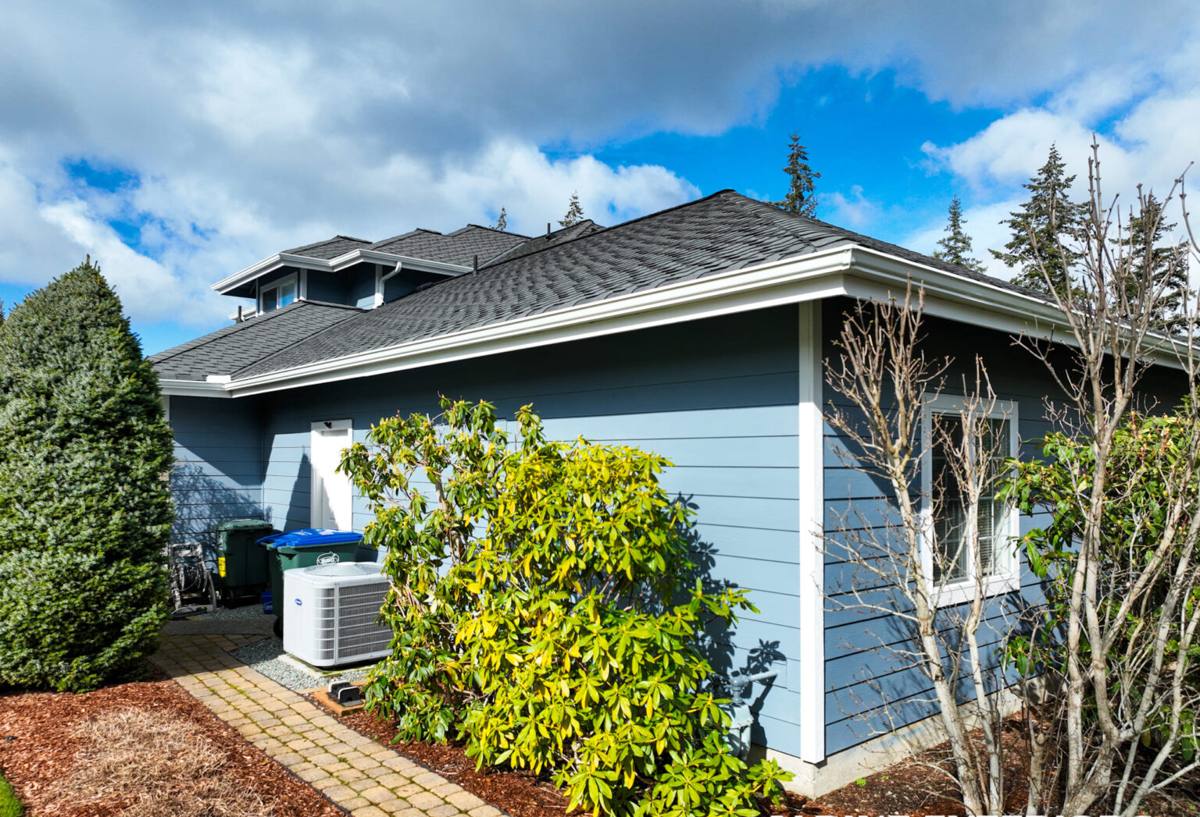
What Local Homes Are Really Up Against
Shade and Standing Moisture
Tree cover keeps roof surfaces from drying between rains. Shingles that stay damp for days at a time are the ones that grow moss and algae fastest, and moss holds water against the shingle mat long after the rest of the roof has dried out.
Driving Rain and Wind
Storms crossing the lake and valley don't always fall straight down — wind-driven rain gets pushed up under shingle edges, around chimneys, and into valleys and flashing details that a fair-weather installation might get away with. This is where sloppy underlayment or flashing work shows up first, usually as a leak two or three winters later.
Debris Load
Needles, cones, and leaf litter collect in valleys and behind chimneys faster under a tree canopy. Left alone, that debris holds moisture against the shingles and clogs the path water needs to drain.
What a Correct Asphalt Shingle Installation Actually Involves
A roof is a system, not a stack of shingles. In a climate like this, every layer underneath the shingles matters as much as the shingles themselves.
- Deck inspection and repair — any soft, delaminated, or water-stained sheathing gets replaced before anything new goes down, not covered up.
- Ice and water shield at vulnerable points — eaves, valleys, and roof-to-wall transitions get a self-adhering waterproof membrane, not just felt.
- Synthetic underlayment across the field — a water-resistant barrier under the shingles that also gives the deck a chance to dry.
- Proper flashing at every penetration — chimneys, vents, skylights, and wall intersections use new metal flashing, correctly lapped, not caulk as a substitute for it.
- Balanced intake and exhaust ventilation — so the attic can actually shed the moisture this climate produces.
- Manufacturer-specified nailing pattern — correct nail count and placement, which is what keeps a warranty valid and shingles from lifting in wind.
Skipping any one of these doesn't usually cause a problem in year one. It shows up in year five or six, as a leak, a moss colony, or a shingle that blew off in a storm the rest of the roof survived fine.
Choosing a Shingle for a Moss-Prone, High-Moisture Property
Not every asphalt shingle performs the same way under constant shade and moisture. For Geneva and Sudden Valley homes, we generally steer the conversation toward products built to resist algae and hold up to wind, rather than the cheapest option on the rack.
| Shingle Type | Typical Lifespan | Best Fit For | Trade-Offs |
|---|---|---|---|
| 3-Tab Asphalt | 15–20 years | Budget-focused re-roofs on lighter-shade lots | Lower wind rating, shows algae staining sooner under tree cover |
| Architectural (Dimensional) | 25–30 years | Most Geneva and Sudden Valley homes | Higher upfront cost, but better wind resistance and a heavier mat |
| Algae-Resistant (AR) Shingles | 25–30 years | Shaded, damp lots along the lake | Slight cost premium; resistance fades gradually over the shingle's life, not a permanent fix |
| Impact-Resistant (Class 4) | 25–30+ years | Homes wanting storm/hail durability | Higher material cost; may qualify for insurance discounts, worth confirming with your carrier |
Algae-resistant shingles use copper-infused granules that slow algae growth over time — they don't stop moss from ever forming, but they buy years of cleaner-looking roof between cleanings, which matters a lot under a tree canopy like this one.
Ventilation: The Part of the Roof You Never See
A shingle roof fails from moisture as often from underneath as from above. Attics that can't breathe properly trap warm, humid air against the underside of the roof deck, which shortens shingle life and can lead to rot and mold that has nothing to do with the shingles themselves. In a climate this consistently damp, we check intake ventilation at the soffits and exhaust at the ridge or roof vents on every job — not just the shingle layer on top. Balanced ventilation also helps keep ice from forming unevenly during the rare hard freeze, and it keeps energy bills more predictable year-round.
Living With Moss and Debris After Installation
No shingle roof under lake-area tree cover stays maintenance-free forever. The goal isn't zero moss — it's keeping ahead of it so it never gets the chance to lift shingles or hold water against the deck.
- Clear needles and debris from valleys and behind chimneys at least once or twice a year, more often on heavily shaded lots.
- Keep gutters clear so water isn't backing up under the shingle edge.
- Trim back overhanging branches where practical to cut down on shade and debris.
- Have moss growth removed by a proper roof-safe method rather than pressure washing, which can strip granules and shorten shingle life.
- Walk the roofline (or have it checked) after major windstorms for lifted or missing shingles.
A quick annual check catches small problems — a lifted tab, a clogged valley, a cracked pipe boot — while they're still cheap to fix.
Repair or Full Replacement? How We Help You Decide
Not every roofing problem in Geneva means a full tear-off. We look at the age of the roof, how much of it is affected, and whether the underlying deck and flashing are still sound before recommending anything.
| Signs Repair May Be Enough | Signs You're Likely Looking at Replacement |
|---|---|
| Isolated leak around one flashing point | Leaks in multiple, unrelated areas |
| A handful of missing or damaged shingles | Widespread granule loss and bald patches |
| Roof is under 15 years old, otherwise sound | Roof is past its expected lifespan |
| Deck and flashing test dry and solid | Soft decking or rot found during inspection |
We'll give you a straight answer either way, including when the honest recommendation is a repair that saves you money now rather than a replacement that isn't needed yet.
How Our Process Works
- Free on-site inspection — we walk the roof, check the attic where accessible, and look at gutters, flashing, and ventilation, not just the shingle surface.
- Straightforward written estimate — scope, materials, and price, explained in plain terms with no pressure to decide on the spot.
- Scheduling around the weather — we plan installation windows with this area's rain patterns in mind, not just whatever slot is open.
- Tear-off and deck check — old roofing comes off, the deck gets inspected, and any damaged sheathing is replaced before anything new goes down.
- Full system installation — underlayment, ice and water shield, flashing, shingles, and ventilation, installed to manufacturer specification.
- Site cleanup and walkthrough — magnetic sweep for nails, debris hauled off, and a final walkthrough so you know exactly what was done.
Why It Matters That We Already Work in Geneva and Sudden Valley
Roofing crews that mostly work drier, more open neighborhoods don't always think to double-check ventilation balance or push algae-resistant shingles on a shaded lake lot — because they don't see this kind of moss and moisture pressure every week. Working regularly in Geneva and around Sudden Valley means we're used to the tree cover, the access considerations that come with lake-adjacent properties, and the specific ways this climate wears on a roof over time. That familiarity shows up in fewer callbacks and a roof that's set up to handle the conditions it's actually going to face, not generic conditions from somewhere else in the county.
If your roof is showing moss, granule loss in the gutters, or you just want an honest read on how many years it has left, we're glad to take a look. Reach out for a free, no-pressure estimate using the form below — we'll give you a straight assessment of what your roof needs, and what it doesn't.