 Sudden Valley Siding
 Composite Decking Built for Deming's Wet, Wooded Climate
Deming sits in a part of Whatcom County where the weather doesn't do decks any favors. Marine air pushes inland off the Sound, driving rain rolls through for months at a stretch, and heavy tree cover keeps a lot of outdoor living space shaded and damp long after a storm passes. That combination is exactly why composite decking has become the practical choice for homeowners here who are tired of sanding, staining, and chasing rot every couple of years.
A deck built for a dry inland climate doesn't automatically hold up here. The framing, fastening, and drainage details matter as much as the decking material itself. Our crew works Deming and the surrounding Sudden Valley area regularly, so we're not guessing at what this climate does to a deck over ten or fifteen years — we're building around it from day one.
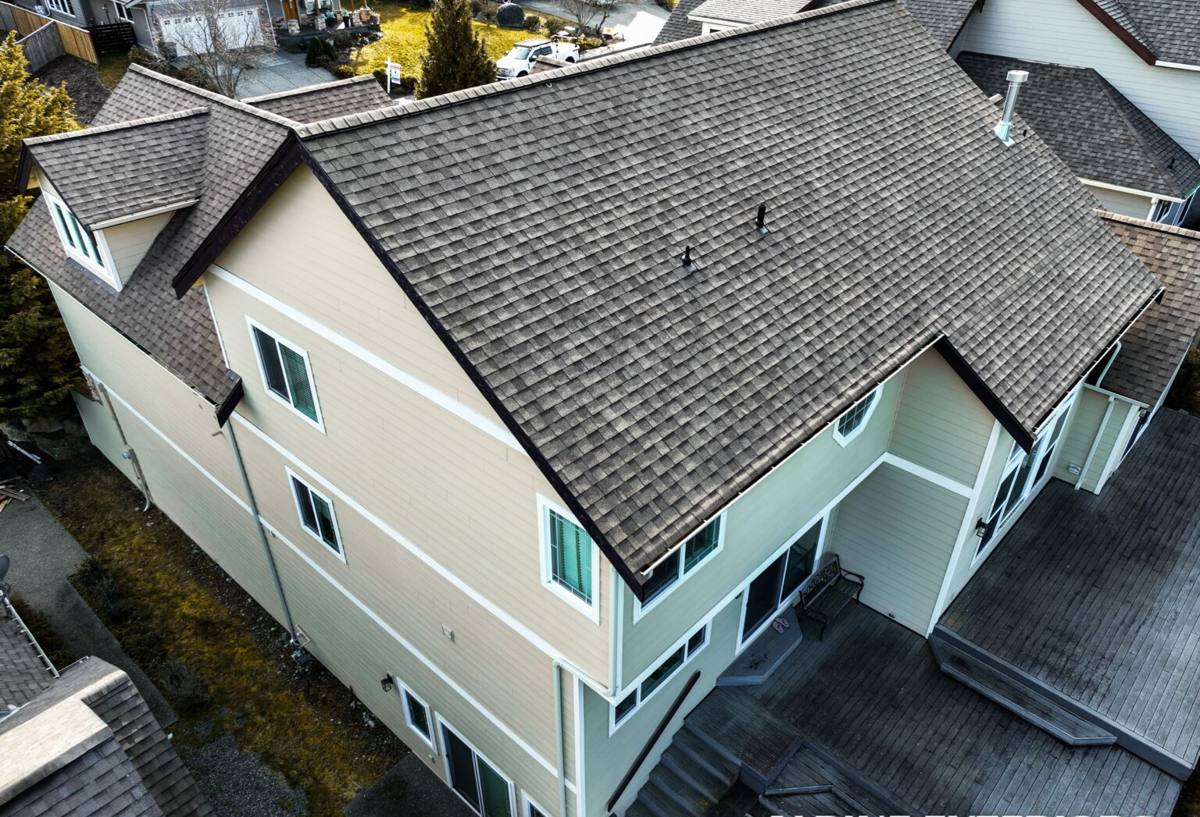
What We See When We Inspect Older Deming Decks
Before we talk about new installs, it's worth explaining what typically goes wrong with decks in this area, because it shapes almost every decision we make on a new build.
- Ledger boards pulling away from the house where flashing was skipped or installed incorrectly, letting water track behind the siding
- Wood decking that's checked, splintered, or soft underfoot from repeated wet-dry cycles
- Green or black moss and algae buildup on boards that stay shaded most of the day
- Joists and beams with rot starting from the top down, where standing water sat under old decking
- Fastener corrosion — old nails or the wrong screws rusting and staining the wood around them
- Railing posts with soft, spongy bases from water pooling at ground contact points
Almost none of these are failures of the homeowner's maintenance. They're the predictable result of a deck built without accounting for how much moisture this region actually sees over a full year.
Composite Decking Materials: What We Install
Capped composite boards
Most of what we install is capped composite decking — a wood-fiber and plastic composite core wrapped in a polymer shell. The cap is what does the real work in this climate: it resists moisture absorption, staining, and the kind of surface mildew that plain wood-plastic composite boards without a cap are prone to. Uncapped composite still exists and costs less, but in a climate this wet we don't recommend it — the exposed core can absorb moisture at cut ends and fastener holes over time.
Hidden fastener systems
Composite boards are typically installed with hidden fastener clips rather than face-screwed, which does two things: it keeps the walking surface free of screw heads that can pool water and corrode, and it leaves a small gap between boards for drainage and airflow. That gap matters more here than in a dry climate — it's part of how the deck sheds water instead of holding it.
Color and heat considerations
Darker composite boards look great but run hotter in direct sun and can show pollen, fir needles, and moss spores more readily in shaded, tree-heavy yards common around Deming. We'll talk through color options honestly based on how much sun your specific spot gets rather than just what looks best in a sample board.
The Ledger Board Connection: Where Most Deck Failures Start
If a deck attaches to the house, the ledger board connection is the single most important detail on the whole project — and it's the one most commonly done wrong on older builds we run into locally. Water that gets behind an improperly flashed ledger doesn't just damage the deck framing; it can work its way into the house's wall assembly behind the siding.
A correct ledger installation includes flashing that directs water out and away from the house, a proper gap or drainage plane behind the board, and lag bolts or structural screws sized and spaced to code — not just nailed on. On a re-deck or replacement, this is often where we find the most hidden damage, because it's invisible until the decking and rim joist come off.
Drainage, Airflow, and Moss Control Underneath the Deck
A composite deck surface can look flawless while the structure underneath is quietly rotting if drainage and airflow weren't planned for. This is especially true on lower decks or decks built close to grade, which are common on sloped Deming lots.
- Joist tape over the top of every joist to keep fastener penetrations from becoming water entry points
- Proper slope away from the house so water doesn't pool against the ledger or foundation
- Clearance under the deck for airflow, so the framing can actually dry out between rain events instead of staying damp all winter
- Gapped board spacing that lets water pass through rather than sheet across the surface toward the house
Moss and algae growth on composite boards is almost always a symptom of a shaded, low-airflow spot rather than a defect in the material. Good drainage and clearance underneath reduce how much moisture sits in that microclimate in the first place, which cuts down on growth even in the shadiest corners of a yard.
Our Deming Composite Decking Process
Assessment and design
We walk the site, check existing structure if it's a replacement, and talk through how the deck will actually be used — dining, hot tub, grilling, shaded reading nook — since load and layout decisions follow from that. We'll also look at sun exposure and drainage patterns specific to your lot before recommending board color and layout.
Framing and flashing
This is where the durability of the whole project gets decided. Correct ledger flashing, treated or engineered framing lumber sized for the span, joist tape, and footings set to the depth required by the county's building code.
Decking installation
Composite boards go down with hidden fasteners, correct expansion gaps (composite expands and contracts with temperature more than people expect), and picture-frame or border detailing where it fits the design.
Railings and finishing
Railing systems, post caps, fascia boards, and stair details get finished to match, with attention to the same drainage principles at post bases so water doesn't pool where a post meets the deck surface.
Composite vs. Wood vs. PVC Decking
| Factor | Pressure-Treated Wood | Capped Composite | PVC / Vinyl |
|---|---|---|---|
| Upfront cost | Lowest | Mid-range | Highest |
| Maintenance | Annual staining/sealing | Occasional soap-and-water cleaning | Minimal cleaning |
| Moisture behavior in this climate | Absorbs water, prone to checking and rot over time | Capped shell resists absorption and surface mildew | Fully resists moisture absorption |
| Appearance | Natural wood grain, fades and grays over time | Wood-look finishes, color-stable with UV-resistant caps | Solid colors, less wood-grain realism |
| Typical lifespan | 10–15 years before major repair or replacement | 25+ years with proper install | 25–30+ years |
| Installation sensitivity | Forgiving of minor errors | Requires correct fastening and expansion gaps | Requires precise fastening and thermal expansion planning |
We install composite most often because it lands in the sweet spot for this climate — better moisture behavior than wood without the higher cost and more particular handling that solid PVC decking requires. That said, every yard is different, and we'll give you a straight recommendation based on your sun exposure, budget, and how the deck will be used, not a one-size-fits-all pitch.
Permits, Footings, and Railing Code in Whatcom County
Deck projects above a certain height or size typically require a building permit through Whatcom County, along with inspections at the footing and framing stages. Footing depth requirements exist specifically to get below the frost line and onto stable soil, which matters on the varied, often sloped terrain around Deming. Railings are required above a certain deck height and have to meet baluster spacing and height rules designed to prevent falls — details that are easy to get wrong on a DIY build or with a contractor unfamiliar with local requirements.
We pull the necessary permits and build to what the inspector will actually check for, so you're not left with an unpermitted structure that becomes a problem at resale or insurance time.
Keeping a Composite Deck Looking Good
Composite decking cuts maintenance dramatically compared to wood, but "low-maintenance" isn't "no-maintenance," especially under heavy tree cover.
- Sweep off fir needles, leaves, and other organic debris regularly — trapped debris holds moisture against the board surface
- Rinse or wash with soap and water a couple of times a year, more often in shaded spots prone to moss and algae
- Keep gutters and downspouts near the deck clear so runoff isn't dumping extra water onto the surface or framing below
- Trim back overhanging branches where practical to increase sun exposure and airflow
- Check railing posts and stair connections annually for movement, which can signal a loose fastener worth addressing early
Why a Crew That Already Works Deming Matters
A deck built by someone unfamiliar with this specific climate tends to look fine for the first year or two and then start showing the same problems we see on older local decks — moisture behind the ledger, moss in shaded corners, soft spots where drainage was never planned for. We work this area regularly, which means we're not learning Whatcom County's rain patterns, permit process, and terrain on your project. We bring that experience to the framing and flashing decisions that don't show up in a finished photo but decide how the deck holds up over the next twenty years.
If you're planning a new composite deck or replacing an aging wood one in Deming or the greater Sudden Valley area, we're happy to take a look and give you a straightforward assessment. Reach out for a free, no-pressure estimate using the form below.