 Sudden Valley Siding
 Windows Built for the Barkley Climate
Barkley sits close enough to Lake Whatcom and the surrounding tree cover that homes here deal with a specific mix of conditions: damp, mossy shoulder seasons, driving rain off the water, and salt-tinged air that drifts in from the greater Bellingham area. None of that is dramatic on its own, but stacked together over a few decades it's exactly what wears out old windows from the inside — swollen wood sashes, foggy double panes, and frames that let cold air creep in around the edges every winter. If you've noticed your furnace running more than it used to, or condensation collecting on the inside of your glass on cold mornings, that's usually a window problem before it's a furnace problem.
We install and replace energy-efficient windows for homeowners in Barkley and the rest of the Sudden Valley area, and we size the job to what this climate actually demands — not a generic checklist pulled from a drier part of the state.
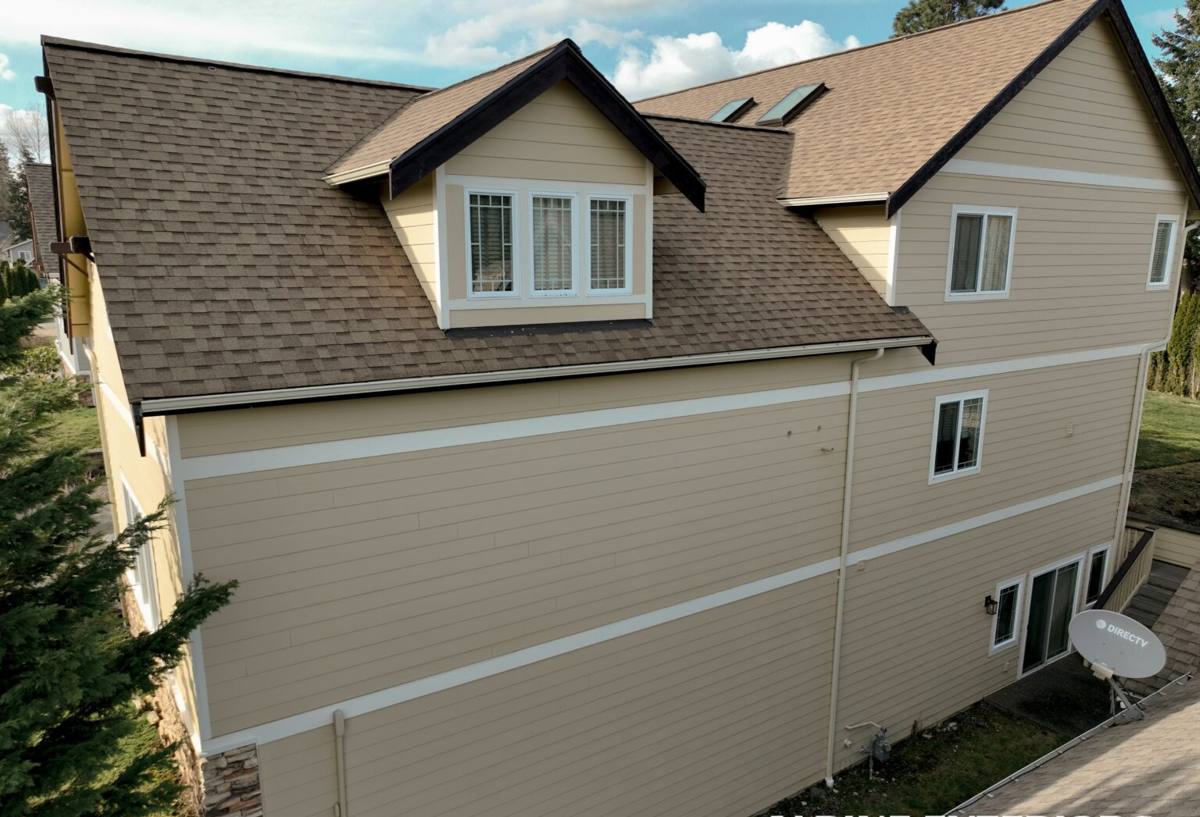
What Whatcom County Weather Does to Windows
Whatcom County doesn't get extreme heat or brutal cold most years, but it gets a lot of moisture, and moisture is the thing that actually damages windows over time. Three patterns show up again and again on inspections in this area:
- Driving rain intrusion — wind-driven rain off the lake and valley terrain finds its way past worn weatherstripping and poorly flashed frames, leading to hidden rot in the wall cavity long before it's visible from inside.
- Moss and algae buildup — the long, wet moss season here isn't just a roof problem. It collects in window tracks, sills, and exterior trim, holding moisture against wood and vinyl and accelerating decay or discoloration.
- Salt-influenced air — homes closer to the water can see faster corrosion on hardware, hinges, and metal components than the same products would experience further inland.
Energy-efficient windows address the insulation side of this, but a correct installation also has to address the moisture side, or you're just putting a better window in a wall detail that will eventually fail anyway.
What "Energy-Efficient" Actually Means Here
The Numbers That Matter
Energy-efficient windows aren't a single product — they're a set of performance characteristics that need to match our climate zone. In Whatcom County, the priorities are keeping heat inside during our long wet winters and keeping moisture out of the wall assembly. That means paying attention to:
- U-factor — measures how well the window prevents heat from escaping. Lower is better. This is the single most important number for our climate.
- Solar Heat Gain Coefficient (SHGC) — matters less here than in sunnier climates, but still affects comfort on the few bright days we get.
- Air leakage rating — a low number means less drafts and less moist outside air finding its way into wall cavities.
- Condensation resistance — directly relevant given how much humidity Barkley homes deal with for much of the year.
Frame Material Trade-Offs
We get asked constantly which frame material is "best." The honest answer is that each one has a real trade-off, and the right choice depends on the house:
| Frame Type | Moisture Behavior | Maintenance | Typical Fit |
|---|---|---|---|
| Vinyl | Doesn't rot; performs well in wet climates | Low — occasional cleaning | Most Barkley homes, especially budget-conscious replacements |
| Fiberglass | Very stable, resists warping in temperature/moisture swings | Low | Homes wanting a longer-term investment with minimal upkeep |
| Wood-clad | Good if cladding is intact; interior wood needs protection from condensation | Moderate to high | Homes prioritizing a traditional interior look |
| Aluminum | Conducts cold, prone to condensation without thermal breaks | Low, but performance concerns in our climate | Rarely our recommendation for primary living spaces here |
We steer most Barkley clients toward vinyl or fiberglass because they hold up better against the sustained dampness this area sees, and they don't require the maintenance schedule that wood trim does. That's a professional standard based on how these materials behave in wet climates over years, not a knock on any manufacturer.
Glass Packages Worth Considering
Double-pane, gas-filled (usually argon) glass with a low-E coating is the baseline we recommend for this climate — it's a meaningful step up from older single-pane or early-generation double-pane units without pushing the budget into triple-pane territory, which is usually overkill for our winter temperatures. Triple-pane can make sense for a home with a particularly noisy or exposed elevation, but for most Barkley houses it's a bigger cost increase than the marginal efficiency gain justifies.
Low-E coatings matter more here than people expect, and not just for winter heat retention — they also cut down on UV fading of flooring and furniture during the brighter months, which is a bonus most homeowners don't think about until after installation.
What a Correct Installation Involves
The window itself is maybe half the job. The other half is how it gets installed, and this is where driving rain climates punish shortcuts. A correct installation in this area includes:
- Removing the old window fully and inspecting the rough opening for hidden rot or water damage before anything new goes in.
- Repairing or replacing damaged framing — installing a new window into a compromised opening just locks the problem behind new trim.
- Proper flashing integration so water is directed out and away from the wall assembly, not trapped behind the new window.
- Continuous sealant bead and backer rod at the right points — sealing everything solid actually traps moisture; sealing nothing lets it in. There's a correct pattern for each.
- Insulating the gap between the window frame and rough opening with the right material and density — overpacking foam can bow the frame and cause the sash to bind.
- Interior and exterior trim work that sheds water correctly and matches the home's existing details.
Skipping or rushing any one of these steps is how a homeowner ends up with a new window that still drafts, still fogs, or starts leaking into the wall within a few years.
Our Process for Barkley Homes
1. On-Site Assessment
We look at each window individually — age, frame condition, current performance issues, and how exposed that elevation is to wind-driven rain. Not every window on a house needs the same solution.
2. Straightforward Recommendation
We'll tell you plainly which windows need full replacement now, which could wait, and which frame/glass combination makes sense for your budget and the specific exposure of that wall. No upselling a whole-house job when three windows actually need attention.
3. Installation
Our crew already works in Sudden Valley and the surrounding Whatcom County neighborhoods regularly, so we're familiar with the housing stock, common construction details from different build eras, and the moisture patterns specific to this area.
4. Final Check
Every installed window gets checked for square, level, smooth operation, and a complete seal before we consider the job finished.
Signs Your Barkley Home Needs This Now
- Visible fog or moisture trapped between panes (failed seal)
- Drafts you can feel near the window frame in winter
- Wood sashes that are soft, discolored, or difficult to open
- Condensation forming on the inside of the glass regularly
- Visible moss or algae growth on the sill or exterior trim
- Noticeably higher heating bills compared to similar-sized homes
- Windows original to a home built more than 20–25 years ago
Cost Factors Worth Understanding
We won't quote a number without seeing the job, but the honest cost drivers are:
| Factor | Why It Affects Price |
|---|---|
| Frame material | Vinyl is generally the most budget-friendly; fiberglass and wood-clad cost more |
| Glass package | Double-pane low-E is standard; triple-pane and specialty coatings add cost |
| Rough opening condition | Hidden rot or framing damage adds repair time before the window even goes in |
| Number and size of windows | Bundling multiple windows in one visit typically reduces per-unit labor cost |
| Trim and finish work | Matching existing interior/exterior trim details takes more time than a plain finish |
Why a Local Crew Matters for This Job
Window installation is one of the areas where local experience genuinely changes the outcome. A crew that's replaced windows across Sudden Valley and Barkley has already seen how homes from different decades in this area were built, what kind of moisture damage tends to hide behind older trim here, and how exposed each side of a house typically is to wind-driven rain off the lake. That's the kind of judgment that doesn't come from a general contractor passing through once. We're not guessing at how Whatcom County weather affects a window installation — we deal with it on every job in this area.
If your Barkley home has drafty, foggy, or aging windows, we're happy to take a look and give you a straight assessment — no pressure, no upsell. Use the form below to request a free estimate.