 Sudden Valley Siding
 Windows Built for Sunnyland's Weather, Not Just the Showroom
Sunnyland sits close enough to the water and to Lake Whatcom's damp microclimate that windows here work harder than they do in drier parts of the state. Homes in this part of Whatcom County deal with a steady mix of salt-tinged air, wind-driven rain that hits window frames sideways rather than straight down, and a long stretch of the year where moss and mildew have every opportunity to take hold on anything that stays wet. Old aluminum-frame windows and worn-out wood sashes from decades past were never designed with this specific combination of conditions in mind, and it shows up as fogged glass, soft frames, and heating bills that creep up every winter.
An energy-efficient window replacement in Sunnyland isn't just about comfort inside the house, though that matters plenty during our gray, damp winters. It's about choosing glass, frame materials, and installation details that can shed constant moisture, resist salt-air corrosion, and keep conditioned air where it belongs instead of leaking it out around a warped frame.
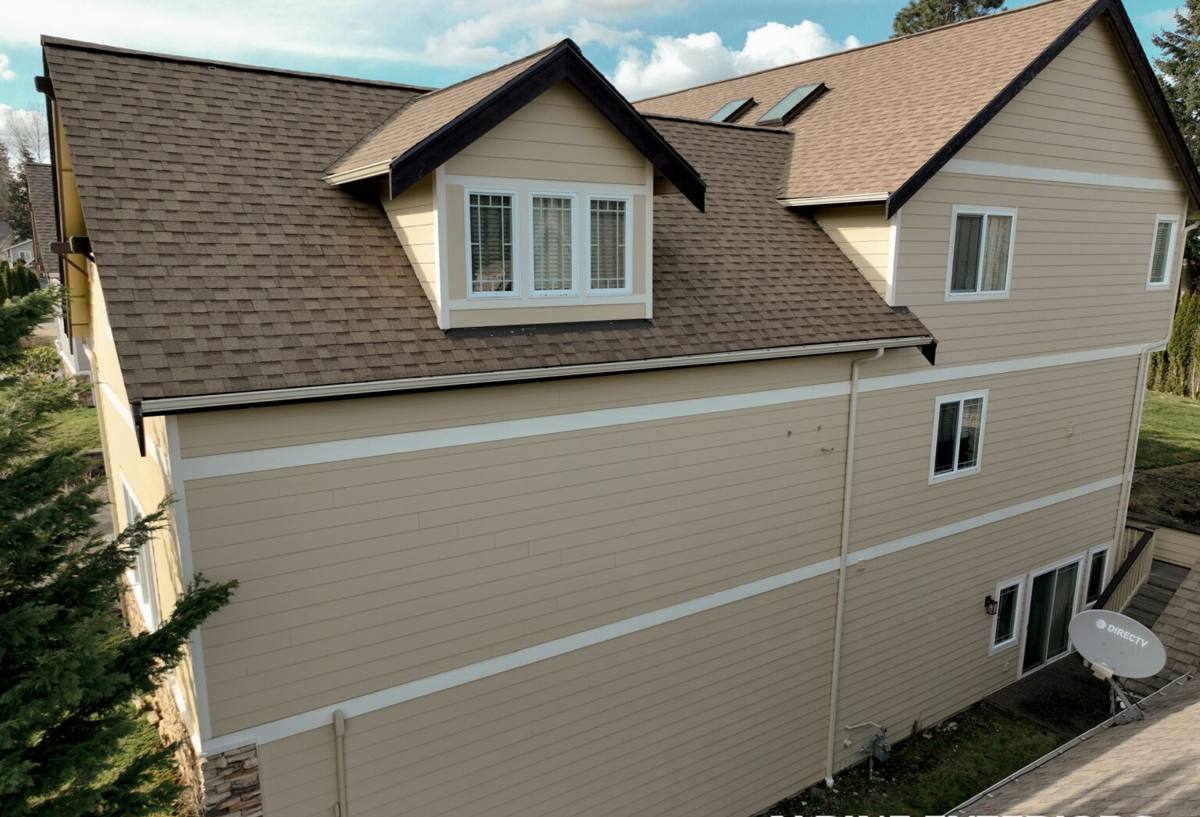
Signs Your Current Windows Are Working Against You
Most homeowners don't replace windows because of one dramatic failure — it's usually a slow accumulation of small problems that eventually add up to a real energy and comfort issue. Here's what we look for during an inspection, and what you can check yourself:
- Condensation or fogging between the panes of double-pane glass (a sign the seal has failed)
- Visible moss, algae, or black staining building up in the frame corners or sill
- A noticeable draft when you hold your hand near the frame on a windy day
- Wood sashes that feel soft, spongy, or show paint bubbling at the joints
- Windows that are difficult to open, close, or lock, especially after rain
- Rooms near windows that feel noticeably colder than the rest of the house
- Rising heating costs without a clear explanation elsewhere in the home
Any one of these on its own might just need a repair. Several of them together usually mean the window itself, not just the caulking or weatherstripping, has reached the end of its useful life.
What "Energy-Efficient" Actually Means for This Climate
The term gets used loosely in the window industry, so it's worth breaking down into the specific properties that actually matter for a home in this part of Washington. Two numbers do most of the work: U-factor, which measures how well a window resists heat loss (lower is better for our cool, wet winters), and Solar Heat Gain Coefficient (SHGC), which measures how much solar heat passes through the glass. Because Whatcom County doesn't get intense summer sun the way inland climates do, we generally prioritize a low U-factor over an aggressively low SHGC — you want to hold onto heat in winter more than you need to block it in summer.
The Details That Matter Locally
Beyond the glass ratings, a few construction details make an outsized difference in a marine climate like ours:
- Gas-filled sealed units (argon or krypton between panes) resist condensation and heat transfer better than plain air-filled units, and hold up over years of temperature swings between damp mornings and cooler nights.
- Low-E coatings reflect radiant heat back into the room in winter, which matters more here than sun-blocking performance does.
- Frame material needs to tolerate constant moisture and occasional salt exposure without swelling, corroding, or rotting.
- Weep holes and drainage paths in the frame need to actually drain — a detail that's easy to get wrong during installation and hard to notice until the next heavy rain.
Comparing Frame Materials for a Damp, Salt-Air Climate
We install several frame materials, and the right choice depends on your home's exposure, your budget, and how much upkeep you want to take on. Here's how the common options compare for a Sunnyland-area home:
| Frame Material | Moisture & Salt-Air Resistance | Maintenance | Typical Trade-Off |
|---|---|---|---|
| Vinyl | Good — won't rot or corrode | Low; occasional cleaning | Limited color options, can expand/contract with big temperature swings |
| Fiberglass | Very good — stable and corrosion-resistant | Low | Higher upfront cost than vinyl |
| Wood (clad exterior) | Good if cladding is intact; vulnerable where cladding is compromised | Moderate to high | Attractive interior finish, but exterior wood needs consistent upkeep in wet climates |
| Aluminum | Poor in salt air without upgraded finishes; prone to condensation | Moderate | We generally steer homeowners away from bare aluminum for this reason, not because it's a bad product everywhere — it's just a difficult match for our specific moisture and salt conditions |
We're happy to walk through the reasoning behind any of these trade-offs in person, since the right answer really does depend on your home's specific exposure to wind, rain, and sun.
How We Approach a Window Replacement Project
A window is only as good as its installation. A high-performance unit set into a frame with poor flashing or an incomplete moisture barrier will fail early, no matter how good the glass rating looks on paper. Our process for Sunnyland homes generally follows these steps:
- On-site assessment — we check existing frame condition, look for hidden water damage around sills and headers, and note the home's specific wind and rain exposure.
- Product selection — we walk through frame material, glass package, and grille or style options based on your home's age, siding, and your budget.
- Flashing and moisture barrier prep — before a new window ever goes in, we make sure the rough opening has proper flashing tape and drainage so water is directed out, not trapped behind the siding.
- Installation and air-sealing — the window is set plumb and level, secured per manufacturer specs, and sealed with the right combination of backer rod, sealant, and insulation — not just a bead of caulk around the trim.
- Exterior detailing — trim, flashing, and caulking are finished to shed water correctly, since this is where a lot of shortcut installations fail years down the line.
- Final walkthrough — we test operation, check seals, and go over care and warranty information before we consider the job done.
Mistakes We See From Rushed or Out-of-Town Installs
We're occasionally called out to Sunnyland homes to fix problems from a previous window install, and the same handful of issues come up repeatedly: missing or improperly lapped flashing tape, insulation gaps left around the frame that create cold spots and condensation, caulk used as the only water management strategy instead of proper flashing, and window units chosen without regard to the home's actual wind exposure. None of these show up on day one — they show up two or three rainy seasons later, which is exactly why installation quality matters as much as the window itself.
What Affects the Cost of a Window Project
Every home is different, so we don't quote sight-unseen, but these are the main factors that move the price up or down on most projects:
| Cost Factor | Why It Matters |
|---|---|
| Frame material | Vinyl is typically the most budget-friendly; fiberglass and clad-wood cost more upfront but often trade off against lower long-term maintenance |
| Glass package | Double-pane with low-E and argon fill costs more than basic double-pane, but performs noticeably better through our winters |
| Number of openings | Full-home replacements typically bring a better per-window cost than replacing just one or two |
| Condition of existing framing | Rot or water damage found during removal adds repair work before the new window can go in correctly |
| Access and window size | Upper-story, oversized, or hard-to-access windows take more labor time |
We'll always flag any framing damage we find before we proceed, rather than installing over a problem and letting it resurface later.
Why It Helps to Hire a Crew That Already Works in This Area
A window contractor who mostly works drier inland areas or comes from out of the county doesn't necessarily know how a Sunnyland-area house behaves through a wet Whatcom winter, or how quickly moss and moisture problems can show up on a north-facing wall near the lake. We work in this specific climate regularly, which means we're not guessing at flashing details, drainage requirements, or which frame materials actually hold up here — we're applying what we've already seen work, and avoid what we've already seen fail, on homes with the same wind, rain, and salt-air exposure as yours.
That local familiarity also means straightforward answers. We're not going to recommend the most expensive option by default or push a product that doesn't fit your home's exposure just to close a bigger sale. Our goal is a window package that performs well for your specific house, your budget, and the number of decades you plan to be dealing with our weather.
Get a Free, No-Pressure Estimate
If your windows are fogging, drafting, or just starting to look tired, it's worth having a second set of eyes on them before another wet season sets in. We offer free, no-pressure estimates for Sunnyland homeowners — use the form below to get started, and we'll walk through your options honestly, with no obligation attached.