 Sudden Valley Siding
 Windows Built for South Hill's Particular Kind of Weather
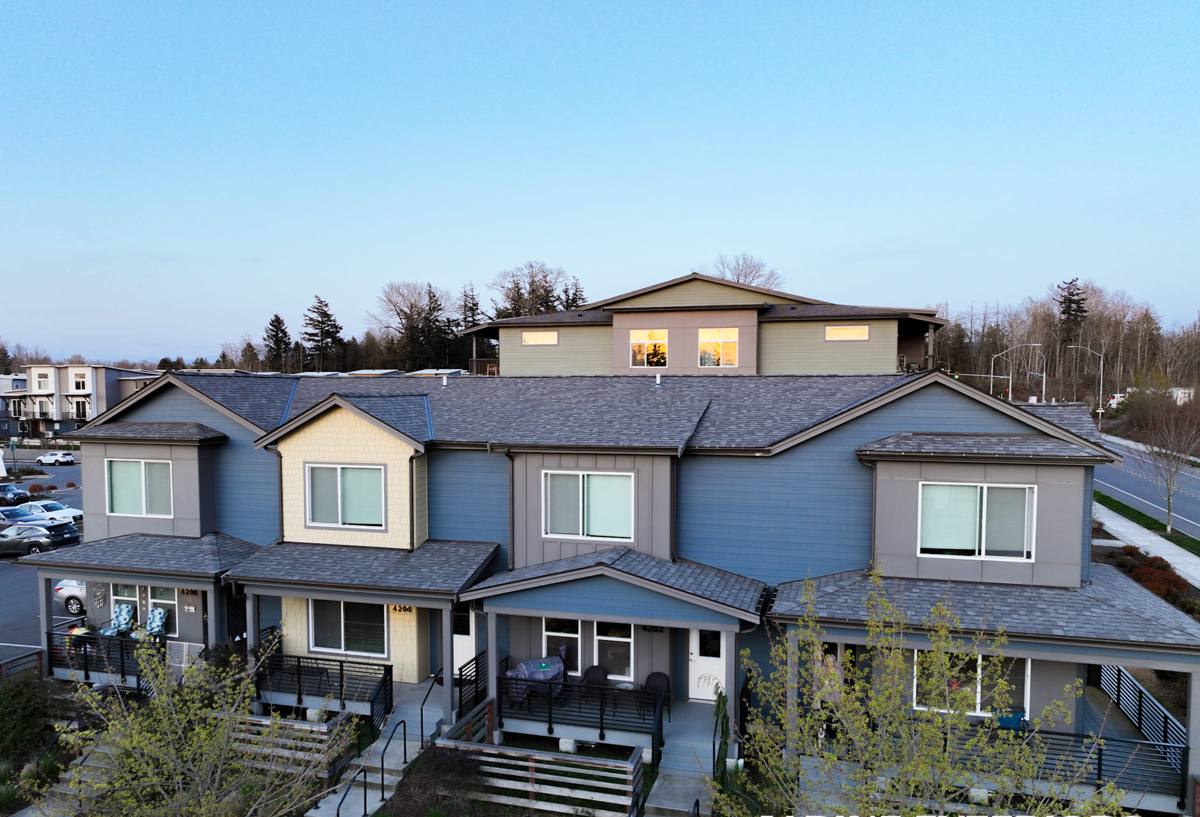
South Hill sits above Sudden Valley with the kind of exposure that makes window selection and installation more than a cosmetic decision. Homes up here catch wind off the lake and the surrounding ridgelines, take on driving rain that comes in sideways during winter storms, and sit close enough to the Salish Sea's salt air that metal components and seals age faster than they would further inland. Add in the tree canopy that shades a lot of Whatcom County lots for much of the year, and you get a long moss season that keeps siding, trim, and window sills damp for weeks at a stretch. None of that is a reason to panic about your windows — it's just the reality that any installer working in this neighborhood needs to plan around from the first measurement.
We've installed and replaced windows across Sudden Valley and the South Hill area long enough to know which details matter here and which ones are just upsells. This page covers what a correct installation looks like for this specific spot, not a generic checklist.
How the Local Climate Shows Up in Your Windows
Every climate stresses windows differently. In South Hill, the combination of driving rain and elevation-driven wind means water is pushed against and under trim in ways it wouldn't be on a sheltered lot. Salt-laden air off the sound accelerates corrosion on cheap hardware, hinges, and unprotected fasteners. And the long stretch of gray, wet months that feeds moss growth on roofs and siding also keeps humidity high around window openings, which is exactly the condition that turns a marginal seal into a real leak.
The practical result: window failures around here tend to start at the edges, not the glass. Flashing that was cut short, sealant that was never meant to flex through decades of wet-dry cycles, or a sill pan that was skipped to save an hour of labor — these are the things that let water into the wall cavity long before anyone notices a problem inside.
Common Signs a South Hill Home Needs Window Attention
- Fogging or a permanent haze between the panes — the seal on the insulated glass unit has failed
- Soft or discolored trim and sill wood, especially on walls that face prevailing wind and rain
- Windows that are hard to open, close, or lock — frames have swelled, warped, or racked
- Noticeable drafts or a cold radiating feeling near the glass in winter
- Visible moss or dark streaking on the siding directly above or beside a window
- Condensation forming on interior glass or frames during cold snaps
What a Correct Window Installation Actually Involves
Setting a new window into an opening looks simple from the outside, but the parts that determine whether it lasts are mostly invisible once the trim goes back on. For this climate, we treat the following as non-negotiable, not optional add-ons:
- A sloped sill pan under every window, so any water that gets past the glass or frame drains back out instead of pooling in the rough opening
- Proper flashing sequencing — sill, jambs, then head flashing, lapped so each piece sheds water onto the one below it, never the reverse
- A quality weather-resistive barrier integrated with the wall's existing house wrap, not just taped over it
- Backer rod and the right sealant at the exterior trim joint, sized and installed so it can actually flex through our wet winters and dry summers instead of cracking
- Low-expansion foam or fiberglass insulation around the frame — enough to seal and insulate, not so much that it bows the frame out of square
- Shimming and squaring so the sash operates smoothly for years, not just on installation day
Skip any one of these and the window can still look fine for a season or two. The failures we get called out to fix are almost always one of these steps done in a hurry, not a bad window unit.
Full-Frame Replacement vs. Insert Replacement
Which approach makes sense depends on the condition of your existing frame and trim, not just preference. Here's how they compare for a typical South Hill home:
| Factor | Full-Frame Replacement | Insert Replacement |
|---|---|---|
| Best when | Existing frame, sill, or trim shows rot, water damage, or is out of square | Existing frame is sound, square, and dry |
| Access to flashing/sill pan | Full access — flashing and sill pan can be fully replaced | Limited — relies on the condition of what's already there |
| Exterior trim disruption | Trim is removed and reinstalled or replaced | Existing trim usually stays in place |
| Typical labor time | Longer per window | Faster per window |
| Relative cost | Higher | Lower |
| Long-term risk if frame has hidden rot | Low — problem is addressed directly | Higher — new window installed over an unresolved issue |
Given how much moisture South Hill's exposure pushes at window openings over the years, we lean toward full-frame replacement whenever there's any sign of trim or sheathing damage, even if it costs more up front. Installing a new window over a soft or damp frame just hides the problem for a while.
Choosing the Right Window for This Climate
Not every window sold as "energy efficient" is a good match for a wind- and rain-exposed hillside lot near the water. A few things matter more here than they might in a drier, more sheltered part of Whatcom County:
- Low U-factor for winter heat retention — Sudden Valley's winters are damp and cool, and a poorly insulated frame shows up fast as condensation and cold spots
- Moderate SHGC (solar heat gain coefficient) balanced for a climate that doesn't get intense summer sun but still benefits from some passive warmth on clear days
- Corrosion-resistant hardware — stainless or coated fasteners and locks hold up far better against salt-tinged air than standard-grade hardware
- Multi-point locking hardware that keeps the sash compressed evenly against the weatherstripping, which matters more when wind is regularly pressing against the glass
Frame Material Trade-offs
We install a range of frame materials and are upfront about the trade-offs rather than pushing whichever one carries the best margin:
- Vinyl — the most budget-friendly option, low maintenance, and performs well thermally. On south- and west-facing exposures with a lot of direct weather, verify the profile is rated for coastal/high-moisture use.
- Fiberglass — more dimensionally stable through temperature swings and generally the most durable option against long-term moisture exposure, at a higher price point.
- Wood-clad — attractive from the interior and a good fit for older or character homes, but the exterior cladding and any exposed wood details need to be genuinely weathertight, since this is the material least forgiving of a poor seal in a wet climate.
We don't push wood-clad windows on fully exposed elevations unless the homeowner understands the ongoing maintenance commitment that comes with it — not because the product is bad, but because an exposed, unmaintained wood sill in a wet coastal climate is a maintenance burden we'd rather be honest about upfront than deal with as a warranty call later.
Our Process for South Hill Projects
- On-site assessment — we look at each opening individually, check for existing rot or water intrusion, and note the specific wind and rain exposure of each elevation
- Product recommendation — we walk through frame material, glass package, and full-frame vs. insert options based on what we found, not a one-size answer
- Written estimate — clear scope, materials, and timeline before any work is scheduled
- Removal and prep — old units removed, opening inspected and repaired as needed before the new window goes in
- Installation — sill pan, flashing, insulation, and sealant installed to the standard above, on every window, every time
- Final check — operation, seal, and trim are inspected before we call the job done
Why a Crew That Already Works This Neighborhood Matters
South Hill's mix of elevation, tree cover, and wind exposure means two houses a quarter mile apart can have genuinely different water and moisture challenges. A crew that already works Sudden Valley regularly has a feel for which elevations take the worst of the driving rain, where moss and shade tend to keep trim damp longest, and which older homes in the area were built with details that need extra attention during replacement. That local pattern recognition is the difference between a window install that just fits the opening and one that's actually built to hold up here.
What Window Installation Typically Costs
Costs vary based on window size, frame material, full-frame versus insert scope, and how many openings you're doing at once. As a broad, honest range for the Sudden Valley area, expect standard vinyl replacement windows to run from the high hundreds to around two thousand dollars per window installed, with fiberglass and wood-clad options running higher, and full-frame replacement costing more per unit than insert replacement due to the added labor and materials. We provide a detailed, itemized estimate for your specific home rather than a ballpark over the phone, since the condition of your existing frames matters as much as the window product itself.
Keeping New Windows Performing Long-Term
A correct installation does most of the work, but a little seasonal attention keeps windows performing for the long haul in this climate:
- Clear moss and debris from window sills and the trim directly above them, especially on shaded or north-facing walls
- Check exterior caulk lines each fall before the wet season sets in, and touch up any cracking before it lets water behind the trim
- Keep weep holes on the exterior sill clear so any water that does reach the frame can drain out
- Operate locking hardware periodically through the winter so it doesn't seize from disuse in damp weather
- Watch for early condensation between panes — it's the first sign of a seal starting to fail, and it's easier to address early
If you're weighing whether it's time to replace windows on a South Hill home, or you want a straight answer on full-frame versus insert replacement for your specific house, we're happy to take a look. Fill out the form below for a free, no-pressure estimate.