 Sudden Valley Siding
 Metal Roofing in Geneva: Built for Life on the Lake
Geneva sits along the north end of Lake Whatcom, close enough to Sudden Valley that the two communities share the same weather patterns, the same tree cover, and many of the same roofing headaches. Homes here take a steady beating from driving rain off the Sound, damp marine air that never fully clears out, and a moss season that can run most of the year under a shaded canopy. A roof that works fine in a drier inland town often struggles here. Metal roofing, installed correctly, is one of the more dependable answers to that problem.
This page covers what Geneva homes specifically need from a metal roof, what a correct installation actually involves, and how our process works from first estimate to final walkthrough.
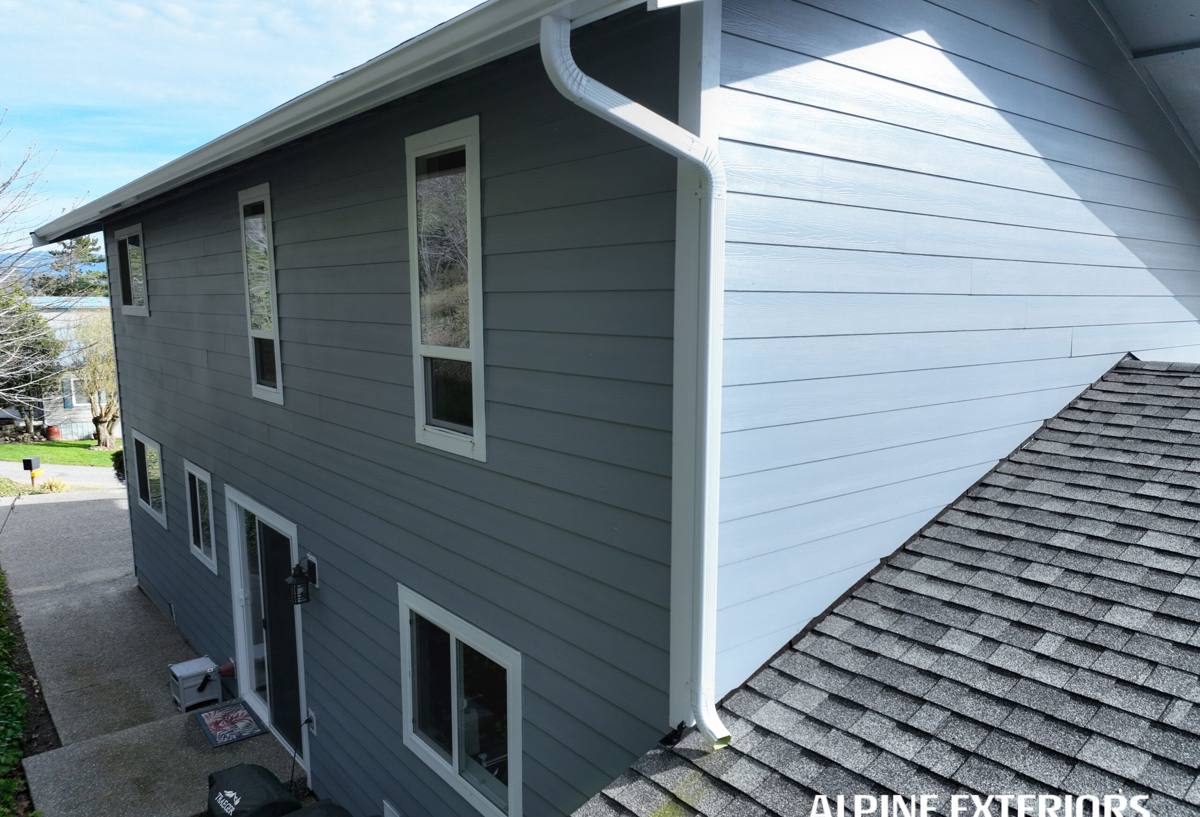
What Geneva's Climate Actually Does to a Roof
Before talking about materials, it helps to understand what you're fighting. Three things stand out around Lake Whatcom and the wider Sudden Valley area:
- Driving rain and volume. Whatcom County gets a lot of rain over a lot of months, and wind off the lake can push it sideways into laps, valleys, and penetrations that a roof in a calmer climate would never have to handle.
- Persistent moss and algae growth. Heavy tree cover around Geneva keeps roofs shaded and damp longer than roofs in open, sun-exposed neighborhoods. Moss holds moisture against the roofing material, and on organic materials that moisture eventually works its way into fasteners, seams, and decking.
- Salt-tinged marine air. Whatcom County's proximity to Puget Sound means a low but steady level of salt and moisture in the air, which accelerates corrosion on unprotected or poorly coated metal fasteners and trim.
None of this makes metal roofing a bad choice — the opposite, in most cases. But it does mean the details of the installation matter more here than they would in a dry climate, and it's worth understanding why before you sign off on a bid.
Why Metal Roofing Makes Sense for This Area
Metal isn't the right roof for every home, but for the conditions around Lake Whatcom it has some real advantages worth weighing:
It sheds rain fast
A properly lapped and fastened metal roof gives water very little to grab onto. Panels shed rain quickly instead of absorbing it, which matters when you're getting sustained rain events rather than short showers.
It resists moss better than organic roofing
Moss can still grow on metal, especially in shaded, north-facing sections with debris buildup, but metal doesn't provide the same organic surface for spores to root into that asphalt granules or wood shakes do. Combined with basic seasonal upkeep, that means fewer moss-related repairs over the life of the roof.
It holds up to wind and debris
Lakeside and treed properties see their share of wind-driven branches and storm debris. Standing seam and heavier-gauge panel systems handle impact and wind uplift well when installed to spec.
It's a long-term investment, not a recurring one
A correctly installed metal roof is typically a once-in-a-generation purchase rather than something you're replacing or heavily patching every 15-20 years, which matters for homeowners who plan to stay on the lake long term.
Metal isn't maintenance-free, and it isn't automatically the right fit for every roofline or budget — we'll tell you honestly if a different material makes more sense for your home.
Metal Roofing Options We Install
Not all metal roofing is the same product wearing different clothes. The systems differ in how they're fastened, how they handle moisture, and how much upkeep they ask for over time.
| System | How It's Fastened | Best For | Trade-Offs |
|---|---|---|---|
| Standing seam | Concealed clips, no exposed screws on the field | Homes wanting the longest service life and cleanest look | Higher upfront cost; installation is less forgiving of shortcuts |
| Exposed-fastener panel | Screws driven through the panel face into decking | Budget-conscious projects, outbuildings, secondary roofs | Fastener washers degrade over time and need periodic inspection/replacement |
| Stone-coated steel | Concealed and lapped, mimics shake or tile profile | Homeowners wanting a traditional look with metal's durability | More seams and profile detail to flash correctly around penetrations |
For most Geneva homes, we lean toward standing seam or a well-detailed stone-coated system, since the concealed-fastener approach removes the long-term weak point of exposed screw penetrations sitting in a wet climate. Exposed-fastener panels still have their place, particularly on shops, garages, and lower-budget projects, but we're upfront that they ask for more attention over the years.
What a Correct Metal Roofing Installation Involves
Metal roofing is unforgiving of shortcuts in a way that shingles sometimes aren't — a poorly detailed metal roof can leak worse than the roof it replaced. In a rainy, moss-prone climate like this one, the details underneath the panels matter as much as the panels themselves.
- Solid, properly ventilated decking — any soft or moisture-damaged sheathing gets replaced before panels go down, not covered over.
- A full synthetic or self-adhered underlayment as a secondary water barrier, with extra ice-and-water membrane at eaves, valleys, and penetrations.
- Correctly lapped and sealed seams, whether mechanically seamed standing seam or properly overlapped exposed-fastener panels.
- Corrosion-resistant fasteners and trim matched to the panel metal, to avoid galvanic reaction in our damp, marine-influenced air.
- Custom-fabricated flashing at every valley, chimney, skylight, and wall intersection — not stock trim stretched to fit.
- Proper ridge and soffit ventilation so trapped moisture doesn't condense against the underside of the panels.
- Snow and ice management details where roof pitch and exposure call for them, so sheet ice doesn't shear off onto walkways or landscaping below.
Skip any one of these and you can end up with a roof that looks right for a few years and then fails at the details — usually right where two roof planes meet.
Our Process, Start to Finish
We keep the process straightforward and try not to waste your time with runaround:
- On-site assessment. We look at your existing roof, decking condition, ventilation, and any problem areas — moss buildup, past leak history, tree exposure — before recommending anything.
- Written estimate. You get a clear, itemized quote that spells out the system, materials, and scope, not a vague number.
- Tear-off and deck inspection. Old roofing comes off and the decking gets checked and repaired as needed before anything new goes down.
- Underlayment and flashing. The moisture barrier and custom flashing go in first — this is the part of the job that determines whether the roof stays dry, long before a single panel is visible.
- Panel installation. Panels are set, fastened, and seamed to manufacturer spec and local code.
- Final walkthrough and cleanup. We walk the job with you, check details together, and make sure the site — including magnetic sweep for stray fasteners — is left clean.
Maintenance and What to Expect Over Time
Metal roofing asks for less maintenance than most materials, but "less" isn't "none." A little seasonal attention goes a long way in this climate:
- Clear needles, leaves, and debris from valleys and gutters, especially heading into the wet months.
- Do a visual check after major windstorms for loose trim, dented panels, or debris impact.
- On exposed-fastener systems, have fastener washers inspected periodically — they're the first thing to age out.
- Keep overhanging branches trimmed back where practical to reduce shade, debris, and moss pressure on the roof plane.
Done right, a metal roof around Lake Whatcom should give you decades of service with minor, predictable upkeep rather than recurring repair bills.
Why Hire a Crew That Already Works Geneva and Sudden Valley
Metal roofing detail work is unforgiving, and roofing crews who mostly work in drier or less wooded parts of the state don't always plan for what a Whatcom County lake property throws at a roof — the shade patterns, the moss cycle, the wind funneling off the water. We work this area regularly, which means we're already familiar with the kind of roof pitches, tree exposure, and moisture patterns common around Geneva and Sudden Valley, and we plan the flashing and ventilation details accordingly instead of applying a one-size-fits-all approach.
It also means faster response if something needs a look after a storm, and a crew that isn't guessing at local permitting or snow-load expectations for the area.
If you're weighing metal roofing for a Geneva home, we're happy to take a look and give you a straightforward, no-pressure estimate — just fill out the form below and we'll get in touch.