 Sudden Valley Siding
 Roof Installation in Fairhaven's Marine Climate
Fairhaven sits close enough to the water that its roofs live a different life than roofs twenty miles inland. Salt-laden air off Bellingham Bay, wind-driven rain that comes in sideways during winter storms, and a long, damp moss season that never fully lets up all work against asphalt, wood, and metal in ways that generic roofing advice doesn't account for. A roof that would hold up fine in a drier part of Whatcom County can wear out years early here if it wasn't built with this specific environment in mind.
This page covers what a new roof installation for a Fairhaven home actually needs to get right, what our process looks like from tear-off to final inspection, and why working with a crew that already understands this coastal microclimate matters more than it might seem.
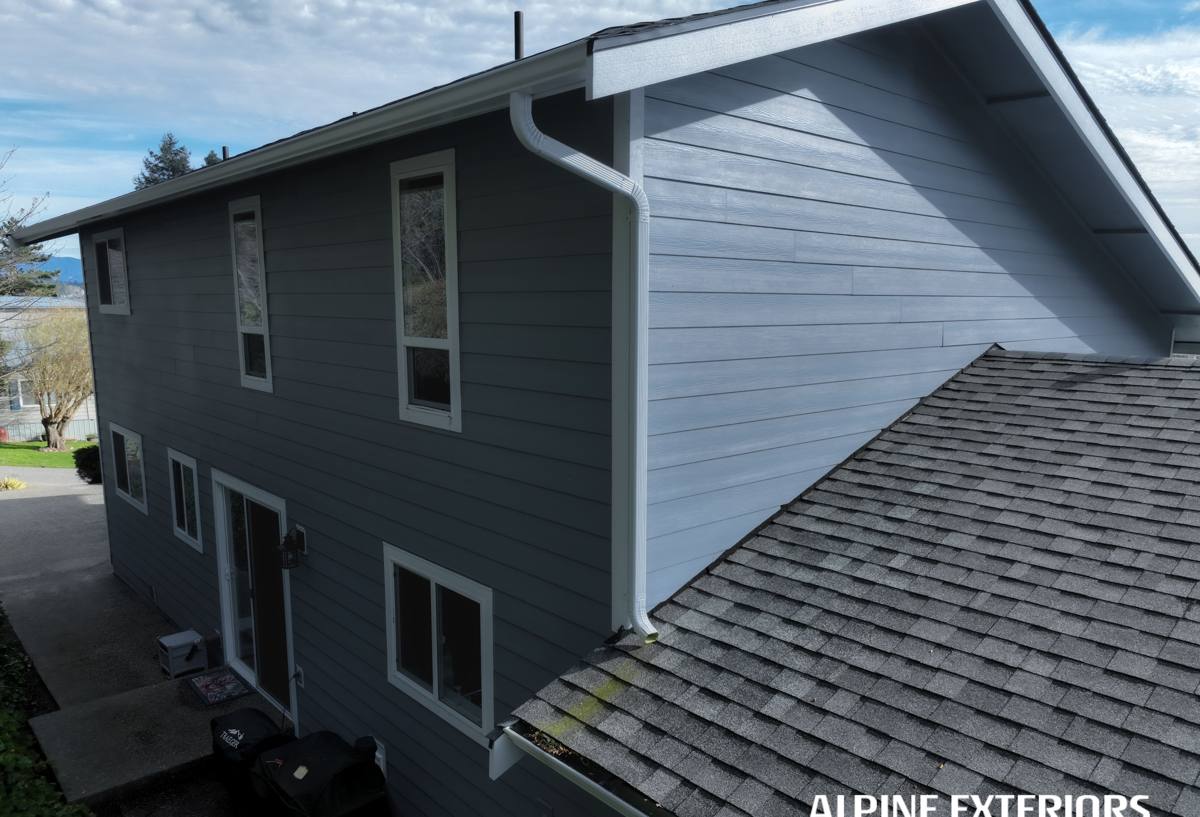
What Salt Air, Rain, and Moss Do to a Roof Over Time
Salt Air and Corrosion
Airborne salt doesn't just affect boats and railings. It settles on flashing, fasteners, and any exposed metal on a roof system and speeds up corrosion, especially on lower-grade steel or aluminum components. Over years, corroded flashing around chimneys, vents, and valleys is one of the most common places we find a roof has quietly started leaking, long before the shingles themselves look worn out.
Driving Rain and Wind-Driven Water
Fairhaven's exposure means storms often bring rain at an angle instead of straight down. Wind-driven rain can work its way under shingles, around poorly sealed penetrations, and into valleys that weren't detailed correctly the first time. A roof here needs underlayment and flashing that account for water moving sideways and upward under wind pressure, not just water running downhill.
Moss, Moisture, and Shortened Roof Life
Between the tree cover common in this part of Whatcom County and the extended wet season, moss and algae growth is close to unavoidable on a roof that isn't actively managed. Moss holds moisture against the roofing material, lifts shingle edges as it grows, and breaks down granule surfaces faster than plain weathering would. Left unaddressed, a mossy roof can lose years of service life even if it's structurally sound underneath.
Signs Your Fairhaven Home Needs a New Roof, Not Another Patch
Repairs make sense for isolated, recent damage. A full replacement makes more sense once a roof is fighting several of these problems at once:
- Granules collecting in gutters or at downspout outlets in noticeable amounts
- Shingles that are curling, cupping, or cracking across large sections of the roof, not just one spot
- Persistent moss or dark algae streaking that keeps returning within a season of cleaning
- Soft spots, sagging, or visible daylight in the attic where there shouldn't be any
- Multiple past repairs in different areas within a few years of each other
- A roof that's at or past the manufacturer's expected lifespan for its material
- Rising energy bills tied to poor attic ventilation or insulation gaps at the roofline
If you're seeing two or more of these, it's worth having someone look at the whole system rather than chasing individual leaks as they show up.
Choosing a Roofing System Built for This Climate
Material choice matters more here than in a drier, inland setting. The table below covers how common options hold up against salt air, sustained rain, and moss pressure.
| Material | Moisture & Moss Resistance | Typical Lifespan | Maintenance Needs |
|---|---|---|---|
| Architectural asphalt shingle | Good, especially with algae-resistant granules | 25–30 years | Periodic moss/debris removal |
| Standing seam metal | Very good if properly coated and fastened with corrosion-resistant hardware | 40–50 years | Low; occasional fastener and sealant checks |
| Synthetic composite shingle | Good; doesn't absorb moisture like wood | 30–40 years | Low to moderate |
| Cedar shake | Requires ongoing upkeep to resist moss and rot in this climate | 20–30 years with diligent care | High; regular treatment and cleaning |
We don't push one material for every house. A steep, shaded roofline that stays damp most of the year is a different conversation than a more exposed, sun-exposed roof plane on the same street. We'll walk your specific roof and talk through which option actually fits it, including the honest maintenance commitment that comes with each one.
What a Correct New Roof Installation Includes
Tear-Off and Deck Inspection
We remove the old roofing down to the deck rather than layering over it. That's the only way to actually see what's underneath — soft or rotted sheathing, prior water damage, or ventilation gaps that a layover would just seal in. Any damaged decking gets replaced before anything new goes down.
Underlayment and Ice-and-Water Protection
Given how much wind-driven rain this area sees, we don't treat underlayment as an afterthought. Self-adhered ice-and-water membrane goes in valleys, around penetrations, and along eaves where water is most likely to be pushed backward under wind pressure, with synthetic underlayment covering the rest of the field for a consistent moisture barrier.
Flashing Details
Flashing at chimneys, skylights, sidewalls, and valleys is where most roof leaks actually originate, not the field shingles. We use corrosion-resistant flashing and fastener materials appropriate for a salt-air environment and take the time to detail these transitions properly rather than relying on sealant to make up for a shortcut.
Ventilation
Balanced intake and exhaust ventilation keeps the attic dry and temperature-regulated, which does double duty here: it reduces the condensation that feeds moss and rot from the underside, and it protects the shingles from premature aging caused by trapped heat and moisture.
Our Installation Process
- On-site assessment: We inspect the existing roof, attic, and ventilation system and talk through what we find directly with you.
- Written estimate: A clear scope of work and pricing, with material options laid out so you can compare them without guesswork.
- Scheduling and material delivery: We coordinate timing around Whatcom County's weather windows to avoid working a roof open during an active storm system.
- Tear-off and deck repair: Old roofing removed, deck inspected, and any damaged sheathing replaced.
- Underlayment, flashing, and ventilation installation: The moisture-management layers that matter most in this climate go in first and get inspected before the roofing material is installed.
- Roofing material installation: Installed to manufacturer specifications, including proper nailing patterns and exposure for wind resistance.
- Cleanup and final walkthrough: Site cleared of debris and old materials, with a final review of the finished roof together.
Cost Factors for a New Roof in Fairhaven
Every roof is priced individually, but the same handful of factors drive most of the variation we see:
| Factor | Why It Affects Cost |
|---|---|
| Roof size and number of planes | More material and more labor hours to install and detail correctly |
| Roof pitch and accessibility | Steeper or harder-to-access roofs require more time and safety setup |
| Material selected | Asphalt, metal, and composite options carry different material and installation costs |
| Deck condition | Rotted or soft sheathing found during tear-off adds repair scope |
| Ventilation upgrades | Adding or correcting intake/exhaust ventilation is sometimes needed to meet code or protect the new roof |
| Tear-off layers | Removing multiple existing layers takes more labor than a single-layer tear-off |
We'll walk through which of these apply to your roof specifically during the estimate, so the number you get reflects your actual house rather than a generic range.
Why Hire a Crew That Already Works in Fairhaven
A roofing crew that regularly works this stretch of Whatcom County has already seen how salt exposure, wind direction off the bay, and shaded, moss-prone rooflines behave on real houses in this area — not just in a manufacturer's spec sheet. That translates into practical decisions: which flashing hardware actually holds up here, where ventilation tends to get overlooked on older Fairhaven homes, and how to sequence a tear-off around this area's rain patterns so your house isn't left exposed longer than necessary.
It also means straightforward, local accountability. If a question comes up after the job is done, you're calling a crew that's still working in your neighborhood, not chasing down a company that only passed through once.
Keeping Your New Roof Ahead of the Moss Season
A correctly installed roof still needs some basic upkeep to hit its full lifespan in this climate. A short annual routine goes a long way:
- Clear overhanging branches to reduce shade, debris, and moss spores landing on the roof
- Keep gutters and downspouts clear so water isn't backing up under the roof edge
- Have moss and algae growth removed gently before it spreads, rather than waiting until it's heavy
- Check attic ventilation isn't blocked by insulation or debris
- Schedule a walk-through inspection after major storms, especially high-wind events
If you're weighing a repair against a full replacement, or just want an honest read on where your current roof stands, we're happy to take a look. Fill out the form below for a free, no-pressure estimate.