 Sudden Valley Siding
 Roofs in Acme Take a Different Kind of Beating
If you own a home in the Acme area near Sudden Valley, you already know your roof works harder than roofs in drier parts of the state. Whatcom County's mix of salt-laden coastal air, long stretches of driving rain, and heavy tree cover creates conditions that wear down roofing materials faster than most manufacturers' warranty literature accounts for. We see it every year: shingles that should have another decade left are already failing at the seams, flashing that's corroding from the inside out, and moss that's worked its way under the shingle tabs before anyone noticed a problem.
A roof repair here isn't just about patching a leak. It's about understanding why that spot failed in the first place, given what this climate does to a roof over time, and fixing the actual cause instead of just the symptom.
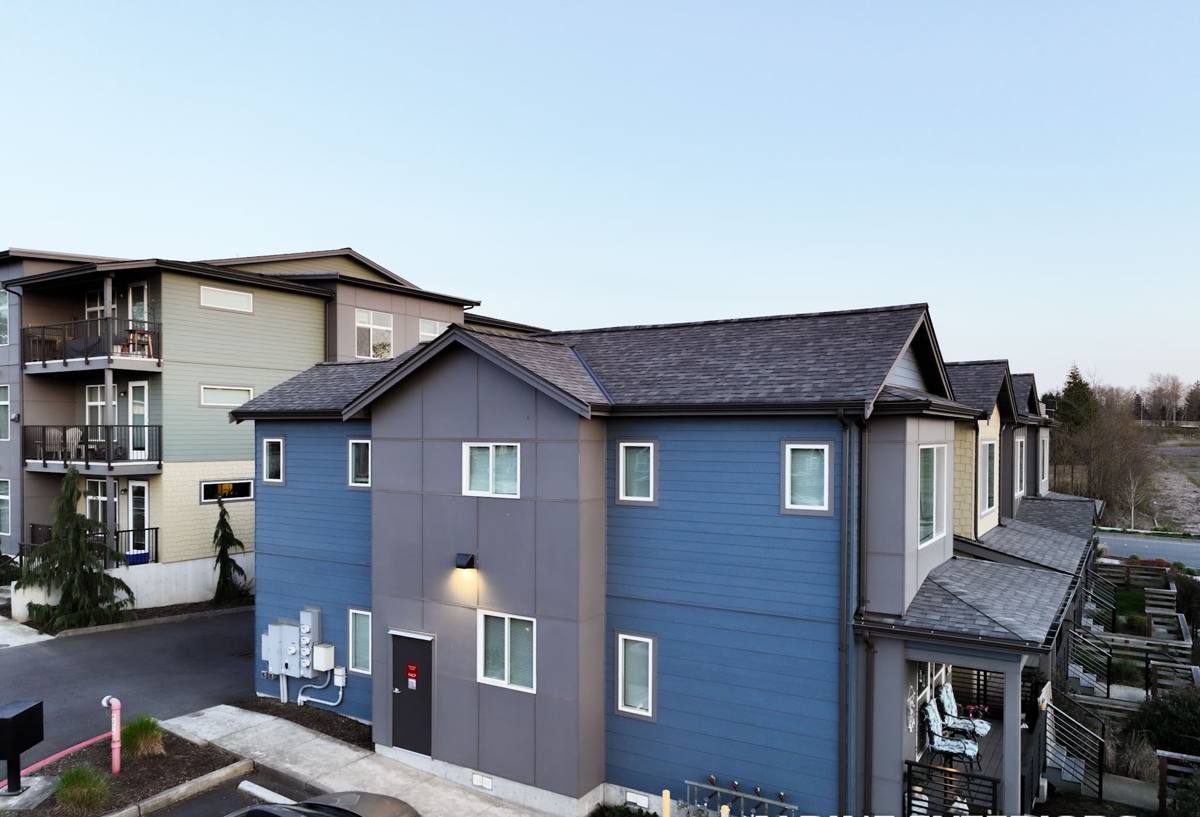
What's Actually Damaging Roofs in This Area
Salt Air and Metal Fatigue
Salt-carrying air accelerates corrosion on anything metal on your roof: flashing, fasteners, gutter hardware, and vent caps. Once corrosion starts, it doesn't stay contained to the metal piece itself — rust stains and pinhole leaks can develop around flashing long before the surrounding shingles show any visible wear. This is one of the most common reasons we find water intrusion at valleys, chimneys, and roof-to-wall transitions on homes in this area.
Driving Rain and Wind-Driven Water
Rain that comes in sideways doesn't behave like rain falling straight down. It gets pushed up under shingle edges, into exposed nail heads, and through any gap in flashing that would otherwise be fine in calmer weather. Roofs here need laps, seals, and flashing details that are built for wind-driven water, not just standard vertical drainage.
Moss Season
Whatcom County's long, damp shoulder seasons give moss and algae months to establish themselves on north-facing slopes and shaded sections of roof. Moss holds moisture against the shingle surface, lifts tabs as it grows, and traps debris that keeps that section wet even during dry spells. Left alone, it shortens the life of an otherwise sound roof by years.
Signs an Acme Roof Needs Repair, Not Just a Look
- Water stains on interior ceilings, especially near exterior walls or chimneys
- Granules collecting in gutters or at downspout outlets
- Visible moss growth, particularly on shaded or north-facing slopes
- Curling, cracked, or missing shingle tabs
- Rust streaking below flashing or vent pipes
- Soft spots or sagging when walked on (a sign of deck damage, not just surface wear)
- Daylight visible through the attic roof deck
Any one of these on its own might not be urgent. Two or three together usually means water has already found a way in, even if it hasn't shown up inside the house yet.
What a Correct Repair Actually Involves
Finding the Real Source
Leaks rarely show up directly below where the water is entering. Water travels along the underlayment or roof deck before it finds a gap to drip through, so a repair that only addresses the spot where a stain appeared inside often misses the actual entry point. A proper repair starts on the roof itself, tracing the path back to where the water is actually getting in — usually a flashing seam, a nail pop, a cracked pipe boot, or a shingle that's lost its seal.
Matching the Existing System
Roofing materials are designed to work as a system — underlayment, shingles, flashing, and ventilation all interact. A patch that uses the wrong shingle profile, the wrong flashing metal, or ignores how the roof is supposed to ventilate can solve today's leak and create a new one in a different spot within a year or two. We match repairs to the existing roofing system so the fix behaves the way the rest of the roof does.
Addressing Moss and Growth, Not Just Removing It
Scraping moss off without addressing why it grew there just buys a season or two. A correct repair looks at airflow, shade, and drainage in that section of roof, and if needed, includes zinc or copper strips or adjusted drainage to slow regrowth.
Repair vs. Replacement: How We Actually Decide
Not every roof problem calls for a full replacement, and we don't push one when a repair will genuinely hold up. The decision usually comes down to a few honest factors:
| Factor | Repair Usually Makes Sense | Replacement Usually Makes Sense |
|---|---|---|
| Roof age | Under 15-20 years, otherwise in good condition | Nearing or past expected service life |
| Extent of damage | Isolated to one area or system (flashing, one slope) | Widespread across multiple slopes |
| Deck condition | Solid, no rot or soft spots | Soft decking or visible rot found during inspection |
| Shingle condition elsewhere | Rest of roof still sealing and holding granules | Granule loss and curling widespread across the roof |
| History of repeat leaks | First occurrence in that location | Same area has been patched multiple times before |
We'll tell you plainly which category your roof falls into. If a repair is the honest answer, that's what we'll recommend — a full re-roof isn't the right call just because it's more work for us.
Common Repairs and What Drives Their Cost
| Repair Type | Typical Scope | What Drives the Cost |
|---|---|---|
| Flashing repair/replacement | Valleys, chimneys, wall transitions, vent pipes | Metal type, roof pitch, number of penetrations |
| Shingle section replacement | Storm damage or aged section of roof | Matching existing shingle color/profile, roof access |
| Moss treatment and prevention | Cleaning plus zinc/copper strip installation | Roof size, degree of existing growth, slope access |
| Deck repair | Replacing rotted plywood or sheathing under shingles | Extent of rot found once shingles are pulled back |
| Gutter and drainage correction | Re-pitching, resealing, or extending drainage paths | Length of run, fascia condition |
Costs vary by roof size, pitch, and access, which is why we give firm numbers after an on-roof look rather than guessing over the phone.
Materials: Why We're Selective
Most homes in this area are roofed in asphalt composition shingles, and for good reason — they perform well against wind-driven rain when installed with the right underlayment and flashing details, and they're straightforward to repair in sections without redoing the whole roof. Cedar shake has real appeal but demands more upkeep in a climate this damp; moss and moisture retention are a bigger long-term maintenance burden on cedar than on composition shingle, which is why we're candid with homeowners about that trade-off before they commit to it. Metal roofing holds up well against moss and salt-air corrosion when properly coated and fastened, but installation quality matters more than with shingles — a poorly detailed metal roof will telegraph problems at every seam. We'll walk you through what's actually right for your roof rather than pushing whatever's easiest for us to install.
Our Repair Process
- On-roof inspection to find the actual source of the problem, not just the visible symptom
- Photos and a plain-language explanation of what we found and why it's happening
- A written estimate that separates the repair itself from any deck or structural work found along the way
- Repair work matched to your existing roofing system and materials
- A final check confirming the fix and, where relevant, notes on what to watch going forward
Homeowner Maintenance Checklist Between Visits
- Clear gutters and downspouts before the fall rains set in
- Look for moss starting on shaded or north-facing slopes each spring
- Check attic spaces after heavy storms for new water stains
- Trim back tree limbs that overhang the roof and hold moisture against it
- Note any granules building up in gutters — a sign shingles are wearing
Why Hire a Crew That Already Works in This Area
A repair crew that's worked roofs throughout Whatcom County and around Sudden Valley already knows how salt air, moss season, and driving rain interact on roofs like yours. That means fewer surprises during the estimate, flashing and material choices that match what actually holds up here, and a straight answer about whether a repair will really last or whether you're better off planning for something more. It also means we're not learning the local climate on your roof — we're applying what years of local repairs have already taught us.
If you're seeing signs of trouble on a roof in or near Acme — a stain on the ceiling, moss creeping across a slope, or flashing that's starting to show rust — we're happy to take a look and give you a straight assessment. There's no pressure and no obligation, just a free estimate and an honest answer about what your roof actually needs.