 Sudden Valley Siding
 Board & Batten Siding in Sehome: Built for This Climate, Not Just This Look
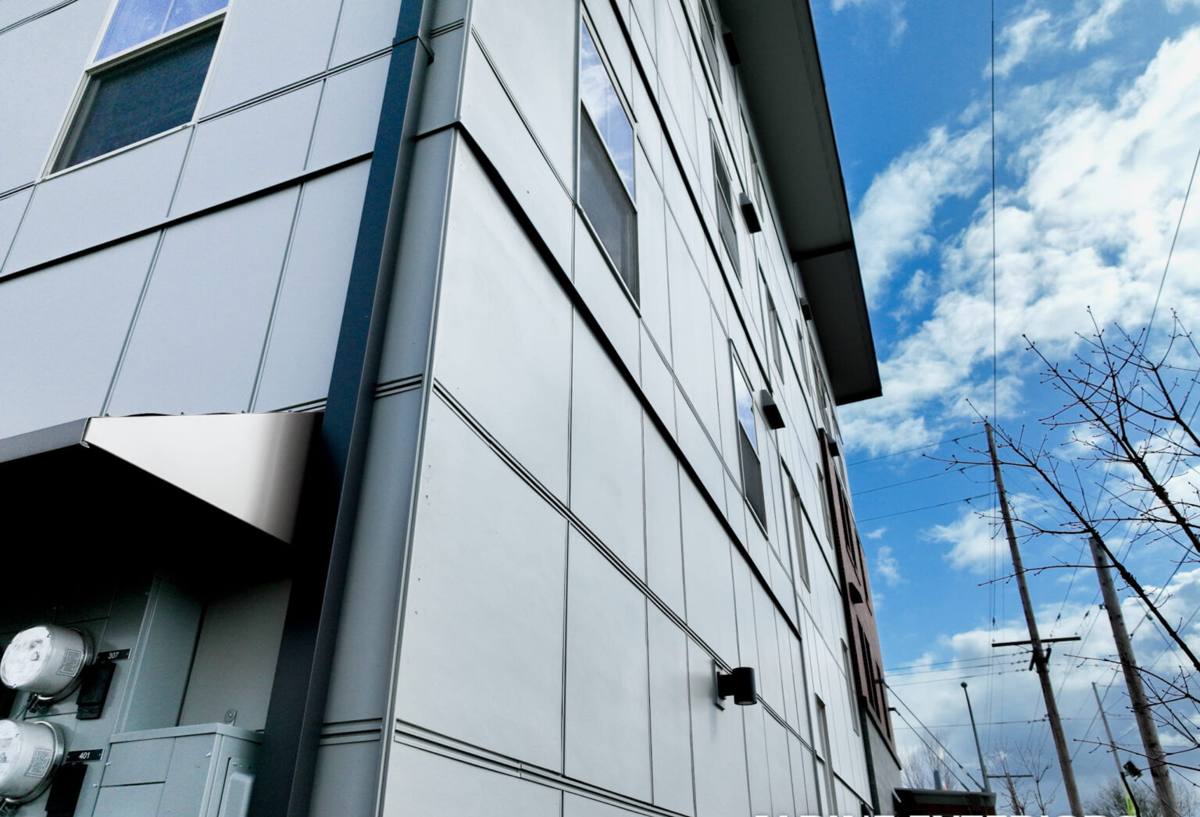
Board and batten has become one of the most requested siding styles in Sehome, and it's easy to see why. The vertical lines read as modern on a new build and equally at home on a craftsman remodel, and the shadow lines the battens create give a house real depth instead of a flat, builder-grade look. But in this part of Whatcom County, board and batten isn't just a design choice — it's a system that has to hold up against salt-laden marine air, long stretches of driving rain, and a moss season that can run most of the year. We install board and batten in Sehome using James Hardie fiber cement, and this page walks through what that actually involves, what a correct job looks like, and why local experience matters as much as the material itself.
What Sehome's Climate Actually Does to Vertical Siding
Vertical siding styles like board and batten are more exposed to certain failure modes than horizontal lap siding, simply because of how water moves down a wall. Here's what we're working against locally:
- Salt air corrosion: Proximity to Bellingham Bay means airborne salt settles on exterior surfaces and accelerates the breakdown of fasteners, uncoated trim, and lower-quality paint finishes over time.
- Driving rain: Wind-driven rain off the water doesn't just run down a wall — it gets pushed sideways and upward, testing every seam, joint, and batten edge on a vertical system far more than it would a lap system.
- Extended moss and moisture season: Shade, humidity, and mild temperatures create ideal conditions for moss and algae to establish on siding, trim, and roof lines for much of the year, not just a few winter months.
None of these conditions are unique to any one street or block in Sehome — they're a function of being in this part of Whatcom County generally. But they matter enormously when you're choosing a vertical siding profile, because a board and batten system with poor drainage detailing will trap moisture behind the battens instead of shedding it, and that's where problems start.
Why We Only Install This System in James Hardie Fiber Cement
Board and batten can be built out of several materials, but we've standardized on James Hardie for every siding job we take on in this region, including vertical batten systems. Hardie's fiber cement is non-combustible, dimensionally stable, and factory-finished with ColorPlus technology, which means the color is baked on rather than field-applied — a real advantage in a climate where UV exposure, salt air, and moisture cycling all work to break down paint faster than most homeowners expect. Hardie also engineers specific product lines (HZ5 in our climate zone) for exactly the freeze-thaw and moisture conditions the Pacific Northwest sees, which matters more on a vertical profile than most homeowners realize, since board and batten has more linear feet of joints and edges exposed per square foot of wall than lap siding does.
We don't install vinyl board and batten, real wood board and batten, or engineered wood products like LP SmartSide for this style. That's a deliberate standard, not a knock on every use case those products might have elsewhere — it's about what we're willing to put our name behind in this specific climate, on this specific profile.
Board & Batten Material Comparison
| Material | Moisture Behavior | Maintenance Burden | Typical Lifespan | Fire Rating |
|---|---|---|---|---|
| James Hardie fiber cement | Dimensionally stable, engineered drainage detailing | Low — factory finish, occasional wash | 30+ years to warranty period | Non-combustible |
| Real wood board & batten | Absorbs and releases moisture; prone to cupping/splitting | High — repainting/staining every few years | 15-25 years with upkeep | Combustible |
| Vinyl vertical panel | Sheds water but can trap condensation behind panel | Low, but limited repair options if damaged | 20-30 years, fades/chalks over time | Combustible, can deform in heat |
| Engineered wood (LP SmartSide) | Treated core, but edge/cut exposure is a known vulnerability | Moderate — paint maintenance required | 20-30 years with diligent upkeep | Combustible |
This isn't a claim that the alternatives fail — it's an honest look at the trade-offs. Given the amount of rain and salt air Sehome sees, we think the maintenance-light, moisture-stable option is the right one, and that's why James Hardie is what we install.
What a Correct Board & Batten Installation Actually Involves
The visual result of board and batten is simple — vertical boards with battens covering the seams — but the assembly underneath is where jobs succeed or fail. A correct installation in this climate includes:
- A properly lapped weather-resistive barrier behind the entire wall assembly, with all penetrations flashed before any siding goes up.
- A rainscreen gap (furring strips or a drainage mat) behind the vertical boards so any moisture that does get past the surface has somewhere to drain and dry, instead of sitting against the sheathing.
- Correct board and batten spacing and fastening per Hardie's engineering specs — over-driven or under-driven fasteners are one of the most common causes of early failure on vertical systems.
- Flashing and proper clearance at the base of the wall, window and door openings, and any roof-to-wall intersections, since these are the highest-risk points for wind-driven rain intrusion.
- Factory-cut and factory-primed edges wherever possible, with any field cuts sealed per manufacturer specification rather than left exposed.
Skipping the rainscreen gap is the single most common shortcut we see on vertical siding jobs, because it's invisible once the siding is up. It's also the detail most likely to cause moisture problems in a climate like this one, where the wall assembly rarely gets a long dry stretch to recover from any trapped water.
Our Process for Sehome Board & Batten Projects
1. On-Site Assessment
We walk the existing exterior, check for signs of moisture damage or rot at sill plates, window returns, and roof lines, and assess whether the existing sheathing and framing are sound enough to build on. Board and batten shows every imperfection in a wall, so straightness and substrate condition matter more here than on some other profiles.
2. Prep and Drainage Plane
We install or verify the weather-resistive barrier, flash all penetrations, and set the rainscreen furring or drainage mat before a single board goes up. This step is not visible in the finished product, but it's the step that determines whether the siding performs for decades or ten years.
3. Installation to Manufacturer Spec
Boards and battens are installed with correct fastener spacing, clearances, and flashing details per James Hardie's published installation guidelines for our climate zone. We don't deviate from spec to save time.
4. Final Walkthrough and Cleanup
We inspect every seam, corner, and trim detail with you before calling the job finished, and we handle full site cleanup, including nail and debris pickup.
Living With Board & Batten Siding in a Marine Climate
James Hardie's ColorPlus finish and fiber cement composition mean board and batten in Sehome requires far less upkeep than wood or repainted alternatives, but "low maintenance" isn't "no maintenance." A few habits go a long way toward protecting the investment:
- Rinse siding annually, focusing on shaded, north-facing, or tree-covered walls where moss and algae establish fastest.
- Keep gutters clear and downspouts directed away from the wall base so water isn't sheeting down the siding or pooling at the bottom edge.
- Trim back vegetation and tree limbs that keep sections of the wall shaded and damp for extended periods.
- Inspect caulking at trim and penetration points every couple of years and have any cracked or failed sealant redone promptly.
- Have a professional look at any spot where you notice discoloration, soft trim, or a section that seems to be holding moisture longer than the rest of the wall.
Why It Matters That We Work Sehome Regularly
A siding crew that only occasionally works this area has to relearn the local conditions on every job. A crew that works Sehome and the surrounding Whatcom County communities routinely already knows how the wind and rain typically hit a given wall orientation, where moss tends to establish fastest, and how to sequence a project around the wetter stretches of the year so the wall assembly isn't left exposed longer than necessary. That local pattern recognition doesn't replace following manufacturer spec — it's what makes following spec effective in this specific place rather than in general.
Get a Straightforward Estimate
If you're considering board and batten siding for a home in Sehome, we're happy to walk the exterior with you, talk through what the existing wall assembly needs, and give you a clear, no-pressure estimate for a James Hardie installation built for this climate. Use the form below to request a free estimate.