 Sudden Valley Siding
 Deck Repair Built for South Hill's Conditions
A deck on the South Hill side of Sudden Valley works harder than a deck almost anywhere else in the region. Between the salt-laden air drifting in off the water, driving rain that comes in sideways during fall and winter storms, and a moss season that can stretch for months, the wood, fasteners, and framing underneath your deck are under constant pressure. Most of the deck problems we get called out for in this area aren't cosmetic — they start underneath, in places homeowners never see until a board flexes, a railing wobbles, or moss has already taken hold.
This page is about one thing: repairing decks for South Hill homes the right way, with an understanding of what this specific climate does to decking materials over time.
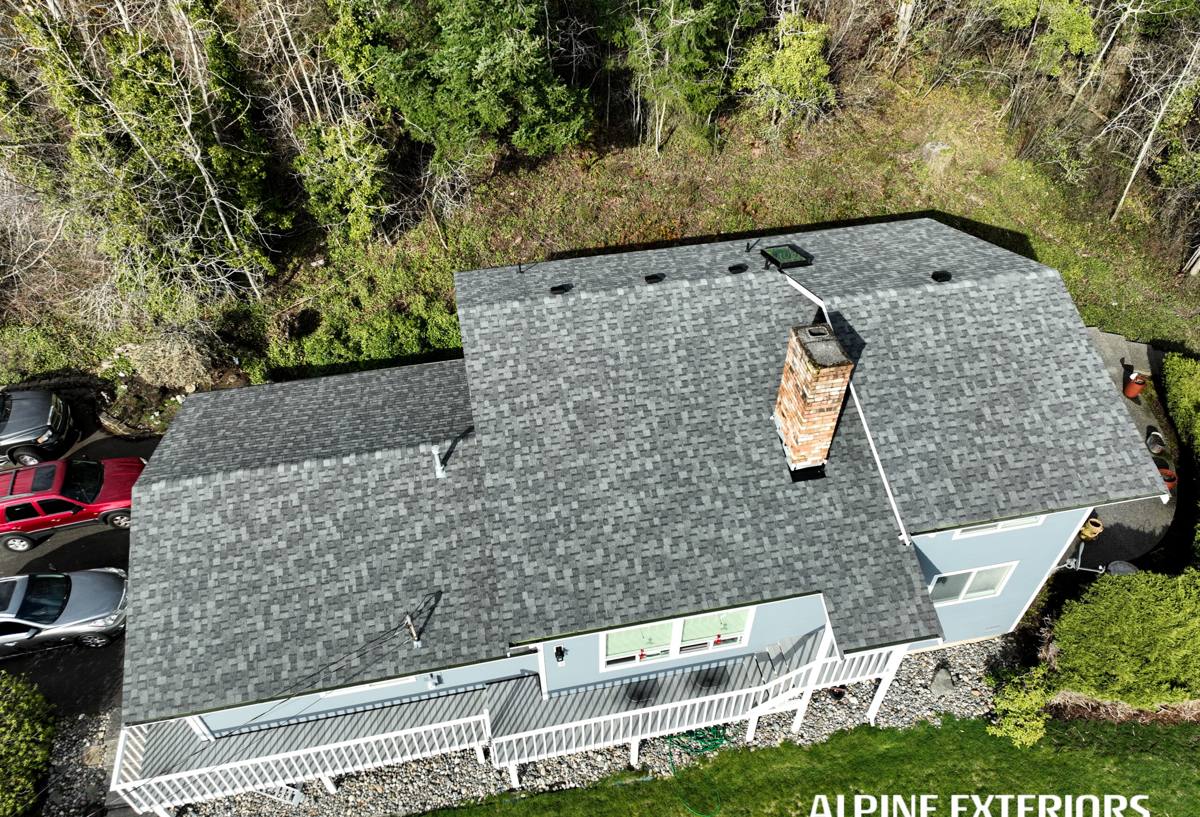
What Whatcom County Weather Does to a Deck
Every deck in Whatcom County deals with rain. What sets South Hill apart is the combination of factors that show up together and compound each other.
Salt Air and Metal Fatigue
Homes closer to the water pick up airborne salt, and that salt is hard on anything metal. Nails, screws, joist hangers, and post brackets that aren't rated for coastal-adjacent exposure will corrode faster than the wood around them fails. Once a fastener weakens, the connection it's holding — a ledger board, a stair stringer, a railing post — loses strength long before the surface of the deck looks like anything is wrong.
Driving Rain and Water Intrusion
Rain that comes in at an angle finds its way into places vertical-only rain never would: under railing caps, behind fascia boards, into the seam where a ledger board meets the house. Once water gets behind decking or siding, it doesn't dry out quickly in our climate. That trapped moisture is what leads to rot, not the rain itself.
Moss and Prolonged Dampness
A long moss season means extended stretches where deck boards, stair treads, and shaded framing members stay damp far longer than they should. Moss holds moisture against wood, blocks airflow, and creates a slick, slippery surface that's a real safety concern on stairs and ramps. Left alone, moss growth is one of the fastest paths to soft, punky decking.
Signs Your Deck Needs Repair, Not Just Cleaning
Homeowners often assume a deck just needs a wash and a fresh coat of stain. Sometimes that's true. Other times, cleaning uncovers — or hides — a problem that needs actual repair work. Here's what to check for:
- Boards that feel spongy, soft, or spring back slowly when you step on them
- Visible gaps, splitting, or checking along the length of deck boards
- Railings or posts that move or wobble when pushed firmly
- Rust streaks running down from screw heads or metal connectors
- Dark staining or a musty smell near the ledger board where the deck meets the house
- Persistent moss or algae that returns quickly after cleaning
- Stairs that feel uneven, bouncy, or have visibly sagging stringers
- Gaps opening up between the deck and the house siding or foundation
Any one of these on its own might be minor. Several together usually mean it's time for a closer look at the structure, not just the surface.
What a Correct Deck Repair Actually Involves
A repair that only addresses what's visible tends to fail again within a season or two. A repair done correctly starts with understanding why the damage happened in the first place.
Structural Inspection First
Before replacing a single board, we check the framing underneath — joists, beams, posts, and footings. Surface rot is often a symptom of a structural issue: poor drainage, missing flashing, or undersized framing that's been flexing under load for years.
The Ledger Board Connection
Where the deck attaches to the house is the single most important connection on the whole structure, and it's also the spot most exposed to water intrusion from driving rain. Proper flashing at this joint isn't optional — it's the difference between a repair that lasts and one that doesn't.
Fastener and Hardware Upgrades
Given the salt air exposure common on South Hill, we don't reuse corroded hardware just because it's still technically holding. We match fasteners and structural connectors to the exposure conditions of the specific deck, not a one-size-fits-all standard.
Board Replacement and Matching
Whether your decking is wood or composite, damaged boards get replaced with material that matches the existing deck's spacing, fastening pattern, and finish as closely as possible, so repaired sections don't stand out or behave differently than the rest of the deck.
Repair or Replace? What Actually Drives That Decision
Not every deck with problems needs to be torn out. The right call depends on a few honest factors, not guesswork.
| Factor | Leans Toward Repair | Leans Toward Replacement |
|---|---|---|
| Framing condition | Solid, no significant rot in joists/beams | Rot or soft spots in multiple structural members |
| Age of the deck | Under 15 years, built to a reasonable standard | Original construction is decades old or undersized by today's code |
| Extent of damage | Isolated boards, railings, or stair sections | Damage spread across most of the surface and framing |
| Ledger and flashing | Flashing intact and properly installed | Missing or failed flashing causing repeat water damage |
| Budget goals | Extend usable life at lower cost | Want a long-term reset instead of ongoing patch repairs |
We'll tell you honestly which category your deck falls into. In most cases on South Hill, a deck with sound framing and isolated surface damage is a good repair candidate — full replacement is usually only necessary when the structure itself is compromised.
How We Handle a South Hill Deck Repair
- Inspection. We walk the full deck — surface, railings, stairs, and underneath — checking framing, fasteners, and the ledger connection.
- Honest assessment. We tell you what's actually wrong, what's causing it, and what your realistic options are, including doing nothing if that's a fair answer.
- Written scope. You get a clear plan of what will be repaired, what materials will be used, and what it will cost before any work starts.
- Repair work. Damaged material is removed, structural issues are corrected, flashing and fasteners are upgraded where needed, and new boards are matched to the existing deck.
- Cleanup and walkthrough. We clear debris and walk the finished repair with you so you know exactly what was done and why.
Wood vs. Composite: Maintenance Realities in This Climate
Both wood and composite decking can perform well on South Hill, but they demand different maintenance habits given the moss and moisture we deal with.
Wood Decking
Real wood needs regular cleaning and periodic sealing or staining to shed water and resist moss growth. Skipping that maintenance in a climate like ours shortens its life considerably — this is a trade-off of the material's natural look and repairability, not a defect.
Composite Decking
Composite resists rot and doesn't need staining, but it still needs to be kept clear of trapped moisture, debris, and moss buildup in shaded areas, and the framing underneath still needs the same structural attention as a wood deck. Composite boards also vary by manufacturer in how they handle long-term moisture exposure and fastening — we base our approach on manufacturer installation requirements rather than assumptions, since installation sensitivity affects warranty coverage.
Why a Crew That Already Works South Hill Matters
Deck repair isn't just carpentry — it's understanding how a specific microclimate attacks a specific structure over time. A crew that regularly works South Hill and the broader Sudden Valley area already knows which connections tend to corrode first, where moss builds up fastest depending on sun exposure and tree cover, and how driving rain typically finds its way into a deck-to-house connection in this part of Whatcom County. That local pattern recognition means less guesswork, a more accurate first inspection, and repairs targeted at the actual cause instead of just the visible symptom.
A Deck Repair Checklist Worth Keeping
- Inspect framing and connections annually, not just the visible surface
- Clear moss and debris from boards and stairs before it becomes a slip hazard
- Check for rust or corrosion at screw heads and metal hardware each season
- Confirm flashing at the ledger board is intact after major storms
- Address soft or spongy boards promptly rather than waiting for them to fail
- Keep gutters and downspouts clear so runoff isn't draining directly onto or under the deck
If your South Hill deck is showing any of the signs above, or you just want an honest opinion on its condition, we're happy to take a look. Reach out for a free, no-pressure estimate using the form below — we'll give you a straight answer about what your deck actually needs.