 Sudden Valley Siding
 Windows Built for a Different Kind of Weather
Homes in the Sunnyland area near Sudden Valley live with a climate that's harder on windows than most homeowners realize until they're dealing with a failed seal or a rotting sill. Salt-laden air, long stretches of driving rain, and a moss season that seems to run most of the year all work on window assemblies from the outside in. A window that looks fine from the street can be failing quietly at the frame, the flashing, or the seal — and by the time it shows up as a draft or a foggy pane, moisture has usually already found its way into the wall.
This page is specifically about window replacement for homes in and around Sunnyland. We're not going to give you a generic national rundown of window types. We're going to walk through what actually matters for a home in this part of Whatcom County: what the climate does to windows, what a correct replacement job looks like, and why the crew doing the work matters as much as the window itself.
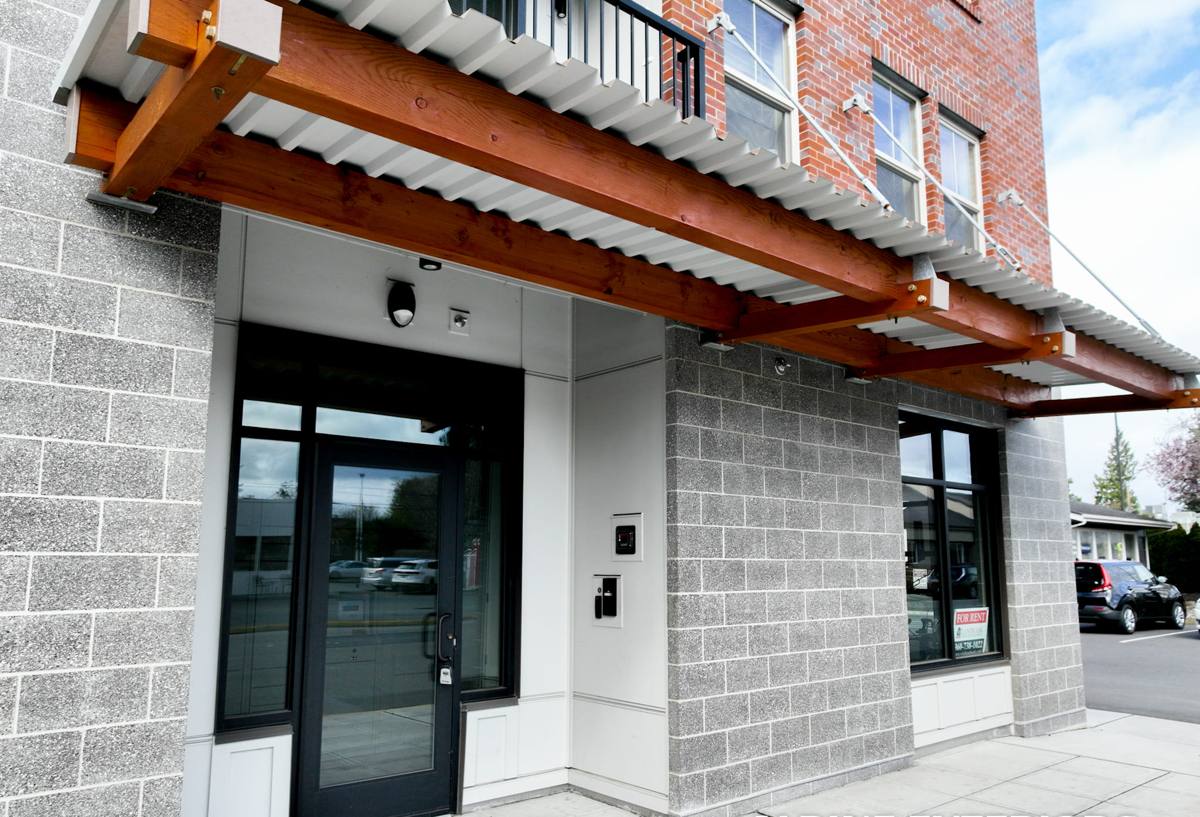
What Whatcom County Weather Does to Windows Over Time
Salt Air and Metal Fatigue
Even homes set back from the water pick up airborne salt during storms and windy stretches. Salt is corrosive to aluminum hardware, screws, and window balances. Over years, it accelerates the breakdown of weatherstripping and speeds up pitting on unprotected metal components — the kind of slow damage that's easy to miss until a window won't latch properly or a balance mechanism seizes up.
Driving Rain and Wind-Driven Water
Rain that falls straight down is one thing. Rain that's pushed sideways by wind is another, and it's common in this region. Driving rain finds gaps that vertical rain never would — around poorly sealed frames, under improperly lapped flashing, or through old caulk joints that have shrunk and cracked. This is why flashing and sealing detail matters more here than in drier climates; a window that's "close enough" on installation in Phoenix is a liability in Sudden Valley.
Moss, Shade, and Sustained Moisture
Many properties in this area sit under mature tree cover, which means shaded, slow-drying surfaces for a large part of the year. Moss doesn't just grow on roofs — it takes hold on sills, in frame corners, and in any spot where wood trim stays damp. Sustained moisture contact is what turns a small coating failure into actual wood rot, and it's a much bigger factor here than in sunnier, drier regions.
Signs Your Windows Are Ready for Replacement
- Visible fogging or a cloudy haze between panes — the seal has failed and the insulating gas is gone
- Soft, spongy, or discolored wood at the sill or lower frame corners
- Windows that are noticeably harder to open, close, or lock than they used to be
- Persistent drafts you can feel with a hand near the frame on a windy day
- Paint that keeps failing on the interior or exterior trim no matter how often it's redone
- Visible gaps between the frame and siding, or caulk that's cracked and pulling away
- A noticeable jump in heating costs without any other explanation
- Condensation on the inside of the glass that shows up regularly, not just on the coldest mornings
Any one of these on its own might not mean much. Two or three together, especially on windows facing the prevailing weather, usually means the window is past the point where caulk and weatherstripping will fix it.
What a Correct Window Replacement Job Actually Involves
Window replacement is often sold as a simple swap: old window out, new window in. In a climate like this one, the parts that don't show — the flashing, the sill pan, the sealant order — matter more than the window itself. A window installed correctly but of modest quality will usually outperform a premium window installed carelessly.
The Steps That Actually Prevent Failures
- Careful removal that doesn't damage surrounding siding, trim, or sheathing more than necessary
- Inspection of the rough opening for hidden rot or water damage before anything new goes in — this is where problems from years of moisture exposure often surface
- Sill pan flashing installed so any water that does get past the window drains back outside instead of into the wall cavity
- Proper flashing lap order — each layer overlapping the one below it, shingle-style, so water is always directed outward and down
- Correct shimming and leveling so the window operates smoothly and doesn't stress the frame over time
- Low-expansion foam and backer rod used appropriately for insulation without bowing the frame
- Exterior sealant applied at the right joints — not everywhere, since sealing the wrong spot can trap water instead of shedding it
- Interior and exterior trim finished to match the home and protect the new assembly from day one
Skipping or rushing any one of these steps is how a brand-new window ends up with a rot problem in five years instead of twenty-five.
Choosing the Right Window for This Climate
There's no single "best" window material — the right choice depends on your home's exposure, your budget, and how much maintenance you want to take on. Here's how the common options compare for a home dealing with salt air, driving rain, and heavy shade.
| Material | How It Handles This Climate | Maintenance | General Cost Position |
|---|---|---|---|
| Vinyl | Good moisture and salt resistance; won't rot or corrode | Low — occasional cleaning | Most affordable |
| Fiberglass | Excellent stability in wet, temperature-swinging conditions; very low expansion/contraction | Low | Mid to upper range |
| Wood (clad exterior) | Attractive, but exterior cladding is essential here — bare wood exposed to this much moisture and shade will suffer | Moderate to high depending on cladding | Higher |
| Aluminum | Prone to corrosion in salt-air exposure and conducts cold, leading to condensation issues | Moderate | Varies |
For most homes in this area, we steer people toward vinyl or fiberglass frames precisely because of the salt-air and moisture exposure — not because other materials are bad products, but because they demand a level of upkeep that not every homeowner wants to sign up for. If you love the look of real wood, clad options let you get that appearance on the interior while protecting the exterior face from the weather that actually causes problems.
Glass Package Matters Too
Double-pane, low-E glass with argon fill is the practical standard for this region — it manages both heat loss and condensation better than older single-pane or basic double-pane assemblies. For rooms that face prevailing wind and rain, we'll also talk through whether a slightly higher-performance glass package is worth it for comfort and noise, without pushing upgrades you don't need.
Our Process, Start to Finish
1. On-Site Assessment
We look at the actual condition of your existing windows and the surrounding wall and trim — not just the glass. This tells us whether we're looking at a straightforward replacement or whether there's hidden water damage that needs to be addressed first.
2. Straightforward Estimate
You get a clear breakdown of what's being replaced, the materials involved, and the cost — no pressure, no artificial "today only" discounts.
3. Scheduled Installation
We plan around the weather where we can, since flashing and sealing work go better in dry conditions. Most standard window replacements are completed in a single day per opening.
4. Flashing, Sealing, and Finish Work Done Right
This is where the steps outlined above happen — the part of the job that determines whether your windows perform for one decade or three.
5. Final Walkthrough
We check operation, seals, and finish work with you before we consider the job done.
Cost Factors to Understand Before You Get Quotes
| Factor | Why It Affects Price |
|---|---|
| Number and size of windows | Larger openings and full-home projects have different labor and material needs than a single window swap |
| Frame material | Vinyl, fiberglass, and clad-wood carry different material costs |
| Existing wall condition | Hidden rot or water damage found during removal adds repair scope |
| Window style | Standard double-hung differs from casement, sliders, or custom shapes |
| Glass package | Upgraded low-E coatings or gas fills add cost but also performance |
| Trim and finish work | Matching existing exterior trim or siding detail can add labor time |
We'd rather walk your specific windows and give you real numbers than throw out a broad range that doesn't mean much for your situation.
Why Local Experience in Sunnyland Matters
A crew that regularly works homes in and around Sudden Valley already understands the pattern of problems this climate creates — where moss tends to hold moisture the longest, which exposures take the worst of the driving rain, and how salt air shortens the working life of unprotected hardware. That's not something you learn from a manufacturer's install guide; it's something you learn from doing this work, on homes like yours, season after season.
It also means we're not guessing at what holds up here. We've seen which materials and installation details actually perform over years in this specific environment, and which ones look fine on day one and cause problems by year five. That's the difference we bring to a window replacement versus a crew passing through the area for a single job.
Simple Maintenance That Extends the Life of New Windows
- Rinse sills and frame corners periodically to keep moss and debris from building up in shaded areas
- Check exterior caulk lines once a year, especially after winter storms, and touch up as needed
- Keep weep holes on the exterior frame clear so water can drain properly
- Trim back vegetation that keeps a window's exterior constantly shaded and damp
- Operate each window a few times a season so hardware and balances don't seize up
- Address any new soft spots in trim or sills right away rather than waiting
If your windows in Sunnyland or elsewhere around Sudden Valley are showing any of the signs above, or you're just ready to stop fighting drafts and fogged glass, we're happy to come take a look. We offer free, no-pressure estimates — use the form below to get started.