 Sudden Valley Siding
 Storm Damage Roof Repair Built for Acme's Terrain
Acme sits in a different kind of weather pocket than the rest of Whatcom County. The community's location along the wooded, river-adjacent lowlands near the Mount Baker foothills means storms behave a little differently here than they do closer to Bellingham Bay or out on the open flats. Wind gets funneled and squeezed through the valley, rain collects under a thick forest canopy longer than it does in open areas, and the humidity that hangs around after a storm gives moss and moisture a head start on your roof. If you own a home in or around Acme, storm damage repair isn't a one-size-fits-all service — it has to account for how this specific stretch of Whatcom County takes a beating.
We work on roofs throughout the Sudden Valley area and the surrounding communities, and Acme homes tend to show a distinct pattern of wear: wind-lifted shingles on the windward slopes, moss-driven granule loss on north-facing sections that stay shaded most of the year, and slow leaks that start at flashing points long before a homeowner notices a stain on the ceiling. Good storm repair here means understanding that pattern, not just patching whatever is visible from the ground.
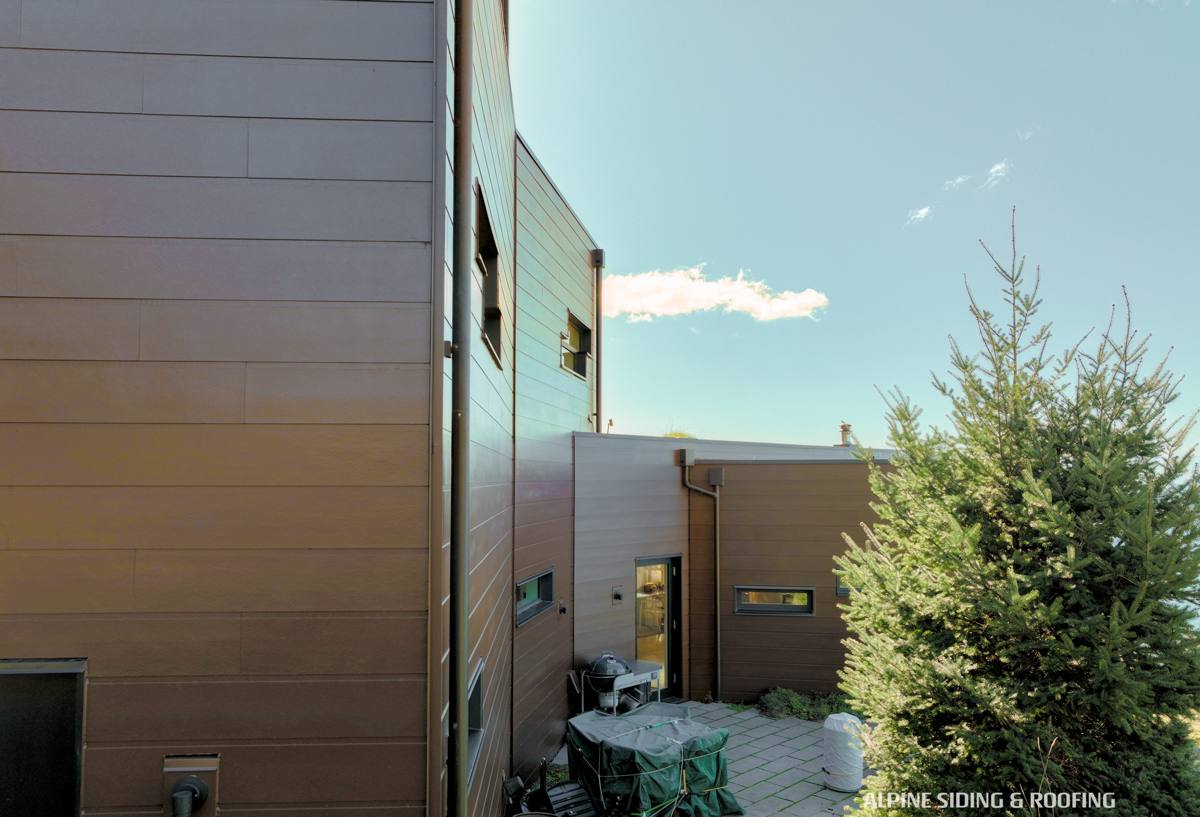
How Local Climate Shapes Storm Damage Around Acme
Wind Funneling Through the Valley
Open exposure lets wind pass through relatively evenly. In a valley or tree-lined setting like much of the Acme area, wind gets compressed and redirected, which means gusts can hit roof edges and ridge lines at odd angles instead of straight on. That uneven pressure is what tends to lift shingle tabs, pop ridge caps, and stress flashing at hips and valleys — even in storms that wouldn't do much damage to a home on flat, open ground.
Driving Rain and Saturated Ground Cover
Salt-laden air moving inland off the Sound, combined with sustained driving rain, keeps roofing materials wet for longer stretches than a drier climate would. Wet materials swell, fasteners loosen over time, and water finds any gap that wind has already opened up. Once water gets under a shingle or behind flashing, it doesn't need a dramatic storm to keep causing damage — a string of ordinary rainy days will do it.
A Long Moss Season
Tree cover near Acme means shade, damp organic debris, and a moss season that runs longer than it would on an unshaded roof. Moss holds moisture directly against roofing material, works into shingle edges, and can lift tabs just enough for wind-driven rain to get underneath. A lot of what looks like "storm damage" after a wind event is really wind finishing off a section of roof that moss had already weakened.
What Correct Storm Damage Repair Actually Involves
A rushed repair covers the visible hole and calls it done. A correct repair treats the visible damage as a symptom and checks everything around it. On a real storm damage job, that means:
- Checking the roof deck (sheathing) underneath damaged shingles for soft spots, rot, or delamination — not just replacing what's on top
- Inspecting and, where needed, replacing underlayment, since a single storm event can compromise more of the water barrier than shingles alone show
- Re-securing or replacing flashing at chimneys, vents, valleys, and wall intersections, since flashing failure is one of the most common hidden causes of storm leaks
- Matching shingle type, weight, and where possible color so the repair blends and performs consistently with the surrounding roof field
- Confirming proper nailing pattern and fastener depth, since improperly seated fasteners are a major reason repaired sections fail again in the next storm
- Checking attic ventilation and insulation near the repair area, since trapped moisture from a leak can cause problems well after the roof surface is fixed
Skipping any of these steps doesn't save the homeowner money in the long run — it just moves the cost of the next repair a little further down the road.
Our Storm Damage Repair Process
- Initial contact and scheduling. We get basic information about what happened and when, and schedule an inspection as soon as reasonably possible, especially if there's active leaking.
- Full roof inspection, not just the damaged spot. We look at the entire roof plane, flashing points, and attic space where accessible, because storm damage often shows up in more than one location.
- Clear explanation of findings. We walk the homeowner through what we found, what's urgent, and what can reasonably wait, in plain language and with photos where useful for documentation.
- Written scope and estimate. Before any work starts, the homeowner gets a clear description of the repair plan and cost, with no vague line items.
- Repair work. We address the deck, underlayment, flashing, and roofing material as needed, following manufacturer installation specifications so warranties stay intact.
- Final walkthrough. We review the completed work with the homeowner and confirm the repair area is watertight and matches the rest of the roof.
Common Storm Damage Types We See in Acme Homes
| Damage Type | Typical Cause | Signs to Watch For | Urgency |
|---|---|---|---|
| Lifted or missing shingles | Wind funneling through valley terrain | Visible gaps, shingles in yard, exposed nail lines | High — exposes underlayment immediately |
| Flashing separation | Repeated wind and rain cycling around chimneys, vents, walls | Rust streaks, gaps at joints, interior stains near penetrations | High — common hidden leak source |
| Moss-related granule loss | Long shaded, damp season under tree cover | Thinning shingle color, granules in gutters, dark green patches | Moderate — worsens steadily if untreated |
| Storm-driven leaks without visible surface damage | Wind-driven rain forced under intact-looking shingles | Ceiling stains, musty attic smell, damp insulation | High — indicates active water intrusion |
| Debris impact damage | Falling branches from surrounding tree cover | Cracked or punctured shingles, dented vents or flashing | Depends on size — can range from cosmetic to structural |
Cost Factors in Storm Damage Roof Repair
Every roof and every storm event is different, but the price of a repair generally comes down to a handful of factors rather than a flat per-square-foot number:
| Factor | Why It Matters |
|---|---|
| Extent of deck and underlayment damage | Hidden water damage under the surface often costs more to fix than the visible shingle damage |
| Roof pitch and access | Steeper or harder-to-access roof sections take longer and require more safety setup |
| Age and condition of the existing roof | An older roof near the end of its service life may make a full section replacement more sensible than a patch |
| Material match availability | Matching discontinued or weathered shingle colors can add time and sometimes cost |
| Flashing and ventilation work needed | Repairs that touch flashing, vents, or attic ventilation add labor beyond the shingle repair itself |
As a broad range, minor localized storm repairs are often a modest cost, while repairs involving deck replacement, extensive flashing work, or larger sections of roof run higher. We don't quote a number until we've actually seen the damage, because guessing over the phone does homeowners a disservice.
Working With Insurance After a Storm
Many storm damage repairs in this area are covered in part by homeowners insurance, particularly when the damage is tied to a specific wind or storm event. We provide a clear, documented inspection report that homeowners can use when filing a claim, and we're glad to answer an adjuster's questions about the scope of repair work. We don't handle the claim itself — that's between the homeowner and their insurer — but we make sure the documentation on the roofing side is accurate and complete, which tends to make the claims process smoother.
Preventing Repeat Damage in a Moss-Heavy, Storm-Prone Area
A storm repair holds up better long-term when the conditions that contributed to the damage are also addressed. For homes around Acme, that usually means:
- Keeping overhanging branches trimmed back so falling debris and shade are both reduced
- Scheduling moss treatment and gentle removal before it works into shingle edges, not after
- Clearing gutters and valleys regularly so driving rain has a clear path off the roof
- Checking attic ventilation periodically, since poor airflow speeds up moisture damage from the inside out
- Having the roof looked at after any significant wind event, even if no leak is visible yet
Why Hiring a Crew That Already Works Acme Matters
A contractor who mainly works drier, more open parts of Whatcom County can still do competent work, but they're guessing at conditions a crew familiar with Acme already knows firsthand: how wind actually moves through this terrain, how long moss stays a problem here compared to elsewhere, and which flashing and ventilation details tend to fail first in this specific climate. That familiarity shows up in fewer callbacks, more accurate first-time diagnoses, and repairs that are built for the storms this area actually gets — not a generic storm profile.
If your Acme-area home has visible storm damage, a suspected leak, or just took a hard hit from wind and rain and you want it checked before it becomes a bigger problem, we're glad to take a look. Reach out for a free, no-pressure estimate using the form below.