 Sudden Valley Siding
 Windows Built for the Alger Stretch of Whatcom County
Homes around Alger and the greater Sudden Valley area sit in a part of Whatcom County where the weather doesn't do anything halfway. You get salt-tinged air moving in off the water, rain that comes sideways more often than straight down, and enough shade and moisture through the fall and winter to keep moss and algae working year-round on anything that holds water. Windows take more abuse from this combination than most homeowners realize, because the damage happens slowly — a little swelling here, a little seal failure there — until one winter you notice the drafts, the fogged glass, or the paint peeling off the sill from the inside out.
A custom window job in this area isn't about picking a style out of a catalog. It's about matching the frame material, the flashing detail, and the glass package to what this specific climate does to a house over ten, twenty, thirty years. That's the lens we bring to every Alger-area window project.
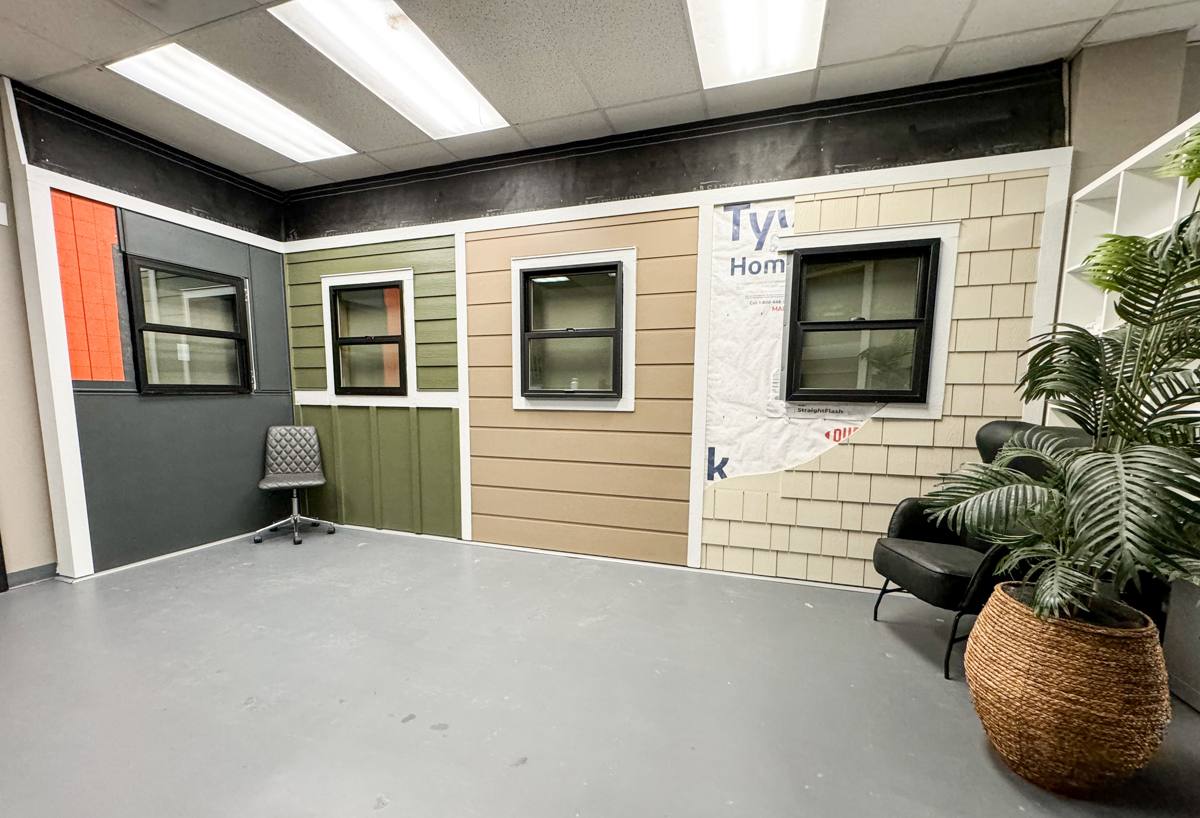
What "Custom" Should Actually Mean Here
"Custom" gets used loosely in this industry. For us it means the window is sized, built, and detailed for your specific opening and your specific exposure — not a stock size forced into place with extra trim to hide the gaps. On older homes in the Sudden Valley area, openings are rarely perfectly square anymore after decades of settling, so an accurate custom measurement is what keeps a new window from leaking or sticking within the first year.
Where custom sizing matters most
- Additions or remodels where the rough opening doesn't match a standard manufacturer size
- Homes with settling or out-of-square framing, common in older construction in this region
- Larger picture or transom windows where a slightly off fit is much more visible
- Replacing an odd-shaped or discontinued window style with something built to the actual opening
Custom doesn't have to mean exotic shapes or premium pricing — most of our Alger-area jobs are standard double-hung, slider, or casement windows, just built to fit the house correctly instead of the other way around.
The Three Climate Factors That Drive Every Decision
Salt air
Proximity to the water means airborne salt settles on exterior surfaces, including window hardware, screens, and metal flashing. Over time this accelerates corrosion on lower-grade fasteners and cheap cranks or locks. We spec hardware and fasteners rated for coastal exposure rather than the basic package some manufacturers default to, because replacing a corroded lock mechanism five years in costs more than doing it right the first time.
Driving rain
Wind-driven rain doesn't just hit a window — it pushes water sideways and upward under trim and around frames that aren't flashed correctly. Most window leaks we're called out to fix in this area aren't glass or frame failures at all; they're flashing and sealant failures where water was never given a way out. Correct head flashing, proper sill pan drainage, and the right sealant joints matter more here than in drier parts of the state.
Long moss season
Shade, moisture, and moderate temperatures for much of the year make this excellent growing conditions for moss and algae — not just on roofs, but on horizontal window sills, trim, and anywhere water sits instead of shedding. Sills with poor slope or wood trim without adequate sealing become a magnet for growth that traps moisture against the frame and shortens its life.
Frame Material Comparison for This Climate
| Material | How it handles salt air and rain | Moss/algae resistance | Maintenance |
|---|---|---|---|
| Vinyl | Won't corrode or rot; seams and hardware still need coastal-rated components | Good — smooth surface sheds growth easily with occasional rinsing | Low |
| Fiberglass | Excellent — very stable in moisture and temperature swings, minimal expansion/contraction | Good, similar to vinyl | Low |
| Wood (unclad) | Attractive but vulnerable; needs consistent sealing to resist swelling and rot in driving rain | Poor if finish is neglected — moisture and shade accelerate decay | High |
| Wood-clad (vinyl or aluminum exterior) | Good — exterior shell protects the wood core from direct weather exposure | Good on the exterior face; interior wood still needs normal care | Moderate |
| Aluminum | Prone to condensation and thermal transfer unless thermally broken; can corrode near salt air without proper coating | Fair | Moderate |
We don't push one material as universally "best." A full wood window on a heavily shaded, rain-exposed wall in this area is a maintenance commitment most homeowners don't want. On a covered porch or sheltered elevation, wood or wood-clad can make sense and look great. Part of a proper custom window consultation is walking your house wall by wall and matching material to actual exposure, not applying one answer to the whole home.
Our Installation Process
- On-site assessment. We measure every opening individually and check for rot, settling, or existing flashing problems before quoting anything.
- Material and glass selection. We walk through frame options and glass packages (including low-E coatings, which help with both energy loss and condensation control common in this climate) based on each wall's sun and rain exposure.
- Removal and opening prep. Old windows come out carefully so we can inspect the framing and sill underneath — this is where hidden water damage from years of minor leaks usually turns up.
- Flashing and drainage. Proper sill pan and head flashing go in before the new window, sloped to move water out and away from the wall assembly, not just installing the window and caulking the gaps.
- Window installation and sealing. The unit is set, shimmed level and square, and sealed with materials rated for sustained moisture exposure, not standard interior-grade caulk.
- Interior and exterior finish work. Trim, casing, and paint or stain are completed to match the home, with attention to sealing joints where moss and moisture tend to collect.
- Final walkthrough. We check operation, seal integrity, and drainage with you before calling the job done.
Signs Your Current Windows Are Already Struggling
- Fogging or condensation between panes — the seal has failed and the insulating gas is gone
- Visible moss, algae, or dark staining on the sill or lower frame
- Soft or spongy wood around the frame or sill when pressed
- Drafts or a noticeable temperature difference near the window in winter
- Difficulty opening, closing, or locking that wasn't there a few years ago
- Paint that's bubbling, peeling, or cracking specifically around the window opening
- Visible daylight or gaps around the trim from outside
Any one of these on its own isn't necessarily urgent. Two or more together, especially combined with visible moisture staining, usually means water has been getting into the wall assembly for a while and it's worth having someone look before it becomes a bigger repair than the window itself.
What Affects Cost
We don't quote sight unseen, but the main variables that move a window job up or down in price are consistent:
| Factor | Why it matters |
|---|---|
| Number and size of openings | Larger and more numerous windows mean more material and labor |
| Frame material chosen | Vinyl is typically the most economical; fiberglass and wood-clad cost more upfront but often less over time |
| Condition of existing framing | Rot or water damage found during removal adds repair scope before the new window can go in |
| Access and height | Second-story or hard-to-reach openings take more time and equipment |
| Glass package | Upgraded low-E coatings or tempered/safety glass where code requires it add cost |
| Custom vs. stock sizing | True custom sizes cost more than standard manufacturer sizes but avoid future fit problems |
We'd rather walk your specific windows and give you real numbers than throw out a broad range that doesn't mean much for your house.
Why It Matters to Hire a Crew That Already Works This Area
A window contractor who works Alger and the Sudden Valley area regularly has already seen how homes here age under this specific mix of salt air, driving rain, and moss. That means fewer surprises during removal, faster identification of hidden water damage, and material recommendations based on what actually holds up on this side of Whatcom County rather than generic manufacturer talking points. It also means a crew that's around after the install if a question comes up — not a traveling install team that's moved on to the next region.
We're not going to tell you every window on your house needs replacing if a few need repair instead, and we're not going to sell you the most expensive frame material if a mid-range option is the honest fit for a sheltered wall. Our job is to make the recommendation we'd want if it were our own house.
If your windows are showing their age or you're planning a remodel that includes new openings, we're happy to come take a look. The estimate is free, there's no pressure, and you'll get straight answers about what your home actually needs — just fill out the form below to get started.