 Sudden Valley Siding
 Why Decks in the Columbia Area of Sudden Valley Wear Out Faster
The Columbia area sits inside one of the wettest, shadiest corners of Whatcom County. Between the tree cover ringing Lake Whatcom, the long stretch of overcast and rainy months, and the moist, salt-tinged marine air that moves in off the Sound and settles into these hillside neighborhoods, outdoor structures here take a beating that a deck in a drier inland climate simply doesn't face. Wood absorbs moisture and never fully dries out before the next rain arrives. Fasteners corrode faster in that persistent dampness. And the shade from mature evergreens that makes these lots so pleasant to live on also means decks stay damp longer after every storm, which is exactly what moss, algae, and mildew need to take hold.
None of that means a deck can't last for decades here — it means the materials, fasteners, and structural details have to be chosen with this specific climate in mind, not with a generic build in mind. A deck that would hold up fine in a dry, sunny region can fail in half the time in Columbia if it wasn't built for driving rain and a moss season that can stretch from fall through spring.
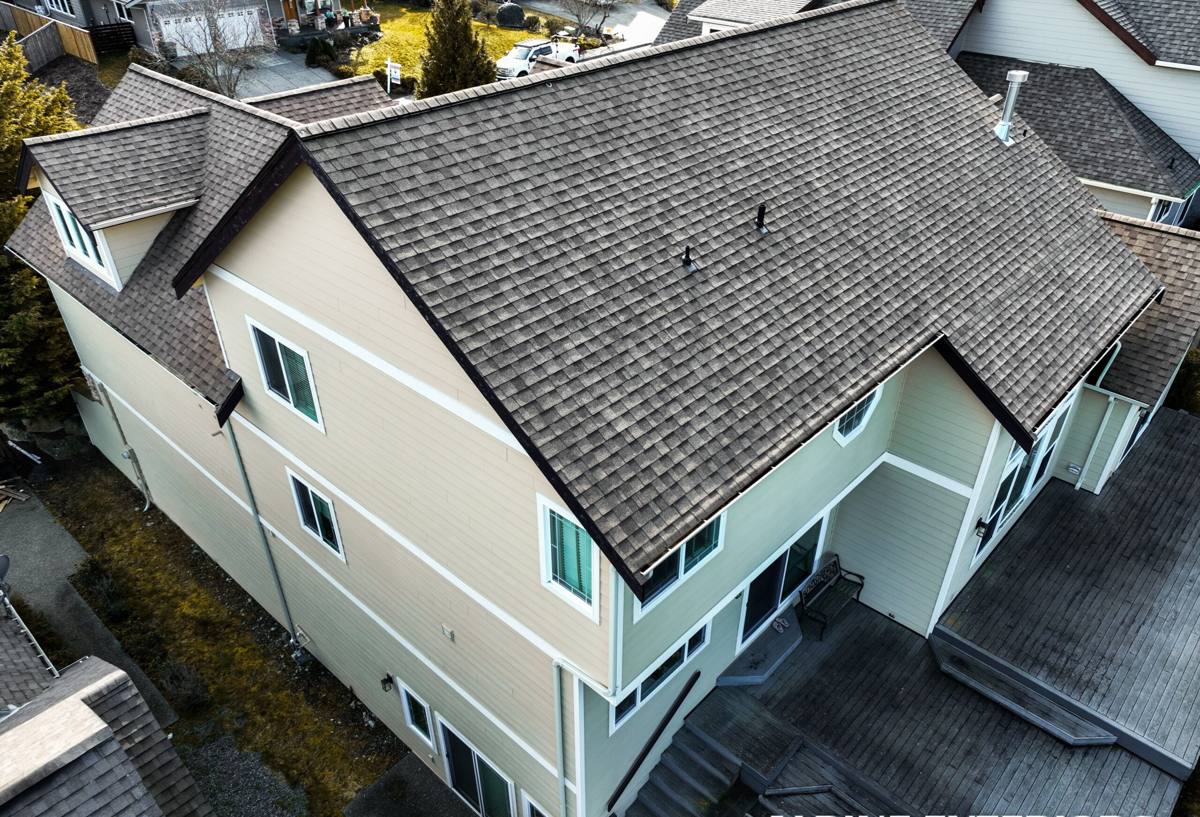
Signs Your Deck Has Reached the End of Its Life
Repairs make sense when the problem is isolated — a cracked board, a loose railing baluster, a single soft spot. Replacement is the honest answer when the damage has spread into the structure itself. Here's what tells us a deck is past the point of patching:
- Joists or beams that feel spongy or give slightly when you walk near the edge of the deck
- Ledger board separation or gapping where the deck meets the house — a common moisture entry point
- Persistent black or green staining on the underside of the decking that keeps returning after cleaning
- Fasteners that are rusted, bleeding stain streaks, or backing out of the wood
- Railing posts that wobble at the base, which usually means the post connection or the framing it's anchored to has rotted
- Multiple boards cupping, splitting, or delaminating rather than one or two isolated boards
- A deck more than 20-25 years old that has never had the substructure inspected or upgraded
If you're only seeing one or two of these, a repair or partial rebuild may still be reasonable. If you're seeing several at once, especially anything involving the framing or ledger connection, that's a structural conversation, not a cosmetic one.
What a Correct Deck Replacement Actually Involves
The Substructure Comes First
The part of a deck nobody sees is the part that determines how long it lasts. Footings need to be sized and set below frost depth for load. Beams and joists need to be spaced correctly for the decking material going on top of them, and pressure-treated framing lumber needs to actually be rated for ground contact where it's close to soil or persistently damp. In a climate like this one, we also pay close attention to airflow underneath the deck — a low, boxed-in substructure with no ventilation traps moisture against the framing and accelerates rot, even with treated lumber.
The Ledger Connection and Flashing
Most of the deck failures we get called out for start at the ledger board — the piece that bolts the deck to the house. If that connection isn't properly flashed to shed water away from the house framing, water works its way behind the ledger every time it rains and rots the band joist and sheathing behind it long before the visible decking shows any sign of a problem. This is the single detail that separates a deck that lasts a couple decades from one that develops hidden rot behind the walls of the house.
Decking, Railings, and Stairs
Once the structure is sound, the decking surface, railing system, and stairs get installed to current code for guardrail height, baluster spacing, and stair rise/run. This is also where the visible material choice comes in — and in a climate this wet, that choice matters more than it does in most parts of the country.
Choosing a Decking Material That Can Handle This Climate
There's no single "best" decking material — there's the material that fits your budget, maintenance tolerance, and how much moss and moisture exposure your specific lot deals with. Here's how the main options compare for a shaded, rain-heavy property in Sudden Valley:
| Material | Moisture & Moss Behavior | Maintenance | Typical Lifespan |
|---|---|---|---|
| Pressure-treated wood | Absorbs water, needs sealing to resist moss and checking | Annual cleaning and re-sealing/staining | 10-15 years before major repair |
| Cedar | Naturally rot-resistant but still needs finish maintenance in constant shade/rain | Sealing every 1-2 years to hold up in this climate | 15-20 years with upkeep |
| Composite (capped) | Doesn't absorb water like wood; textured surfaces can still hold moss film if never cleaned | Occasional washing, no sealing or staining | 25-30+ years |
| PVC decking | Fully moisture-resistant, best resistance to staining and moss adhesion | Lowest maintenance of the group | 25-30+ years |
We don't push one product line over another as a blanket rule — we walk the specific lot, look at how much direct sun versus shade it gets, and talk through what you're willing to spend time maintaining. A heavily shaded lot near the lake is a very different decision than a spot that gets afternoon sun most of the year.
Fasteners, Hardware, and the Details Most Crews Skip
This is where a lot of decks quietly fail years before the decking itself looks worn out. In a damp, salt-tinged marine climate, standard fasteners corrode faster than most homeowners expect. We use fasteners and structural hardware rated for the treated lumber and moisture exposure involved — coated or stainless steel connectors, hangers, and screws rather than whatever is cheapest at the time of the build. The same goes for hidden fastener systems used with composite and PVC decking: the clips and screws need to match what the manufacturer specifies, or the warranty on the decking material itself can be voided.
We also flash every ledger connection, every post base, and every spot where wood meets wood or wood meets concrete. It adds a small amount of labor up front and prevents the slow, hidden rot that's the real reason most decks in this area fail early.
Permits, Codes, and Community Guidelines in Sudden Valley
A full deck replacement — especially one involving new footings, a rebuilt substructure, or a change in size or height — typically requires a permit and has to meet current guardrail, stair, and structural load requirements, including the snow load expectations for this part of Whatcom County. If your property is part of the Sudden Valley Community Association, there may also be design review or architectural guidelines to follow for materials, railing style, or color before work begins. We handle the permitting process and any association paperwork as part of the job so you're not stuck chasing approvals yourself.
Cost Factors in a Deck Replacement
Every deck is different, so we don't quote a number without seeing the property, but the same handful of factors drive the price on almost every job:
| Factor | Why It Matters |
|---|---|
| Deck size and shape | More square footage and more corners/angles mean more material and labor |
| Substructure condition | Rotted framing or footings that need to be replaced adds cost beyond just the surface |
| Decking material | Wood costs less upfront; composite and PVC cost more but need far less long-term upkeep |
| Height and access | Elevated decks and stairs require more structural work and railing than ground-level decks |
| Site access | Sloped, wooded, or lakeside lots common in this area can affect equipment access and staging |
Broadly, a straightforward wood deck replacement tends to sit at the lower end of the range, while composite or PVC decking with new footings and railings sits higher — but the only way to get an accurate number is to have someone look at your specific deck and site.
Our Deck Replacement Process, Start to Finish
- On-site evaluation of the existing deck, substructure, and ledger connection to determine what can stay and what has to go
- A written estimate covering material options, structural scope, and any permit or association requirements
- Full removal of the old deck, with framing and footings inspected as they're exposed
- Substructure rebuild, including proper ledger flashing, corrosion-resistant hardware, and any needed footing or beam work
- Installation of decking, railings, and stairs to current code
- Final walkthrough so you know how to care for the specific material that was installed
Why Local Experience in Columbia and Sudden Valley Matters
A deck built by a crew that hasn't worked this specific area often looks the same on install day as one built by a crew that has — the difference shows up two or three winters later. Crews who already work in Columbia and the rest of Sudden Valley know which lots sit in near-constant shade, which ones catch the worst of the driving rain off the lake, and which framing and flashing details actually hold up through a Whatcom County moss season rather than just meeting the bare minimum on paper. That experience shows up in the small decisions — fastener choice, ventilation under the deck, how the ledger is flashed — that you won't notice until years later, when a well-built deck is still solid and a poorly built one isn't.
If your deck in Columbia or elsewhere in Sudden Valley is showing its age, we're happy to take a look and give you a straight answer about whether it needs a full replacement or just targeted repair. Reach out for a free, no-pressure estimate using the form below.