 Sudden Valley Siding
 Window Replacement Built for Deming's Climate
Deming sits in the Nooksack River valley along the Mount Baker Highway corridor, tucked into the foothills east of Bellingham in Whatcom County. It's a different environment than a lot of homeowners expect when they think of "Pacific Northwest weather." Between the tree cover, the river valley humidity, and the steady march of rain off the Sound and up the foothills, windows here take a beating that's easy to underestimate until you're dealing with a frame that won't close right or glass that's fogged from the inside.
We work on homes across Whatcom County, from lakeside properties near Sudden Valley to the more rural, forested lots out toward Deming, and the window failures we see out this way tend to follow a pattern. Old windows don't usually fail all at once — they fail slowly, in ways that are easy to write off as "just an old house" until the energy bill or the wood rot says otherwise.
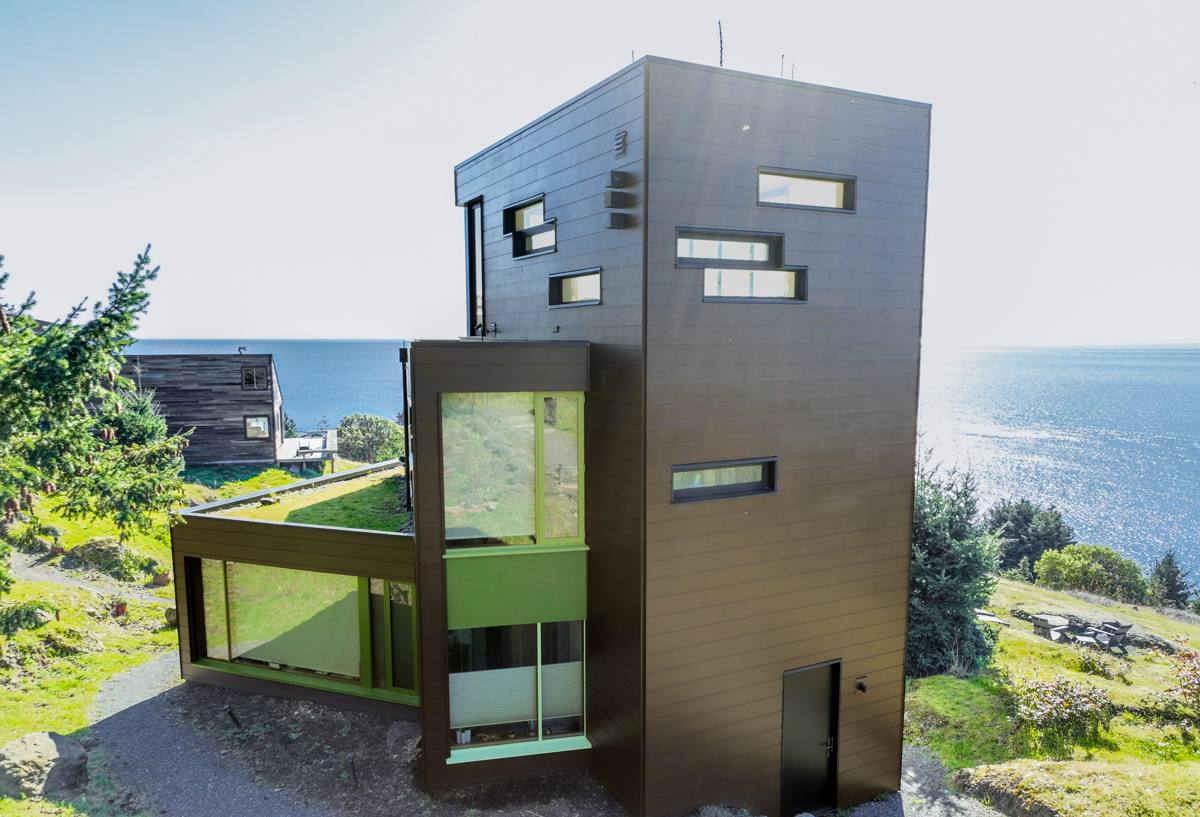
What Whatcom County Weather Does to Old Windows
Every region has its own way of wearing down a window, and this one has a few working against it at the same time.
Driving Rain and Moisture Load
Whatcom County gets a long stretch of wet months, and out in the Nooksack valley the tree canopy keeps things shaded and damp longer into the day than open, sun-exposed lots. Wind-driven rain finds its way into any gap in old flashing or failed caulking around a window frame, and once moisture gets behind the trim, it doesn't dry out quickly in this climate. That's how you end up with soft wood, stained drywall, or a frame that's swollen and hard to operate.
Moss and Organic Growth
The same shade and moisture that make the Deming area green also make it a good environment for moss and algae to take hold on window sills, tracks, and exterior trim. Beyond the cosmetic issue, moss holds water against wood and vinyl surfaces, which accelerates rot and finish breakdown right at the points where a window is supposed to be sealed tight.
Salt Air and Coastal Influence
Whatcom County's coastal exposure brings salt-laden air inland on a regular basis, and that air is hard on unprotected metal hardware, weakened seals, and older aluminum-frame windows in particular. It's a slower, quieter form of wear than direct rain damage, but it adds up over years, especially on hardware that hasn't been cleaned or serviced.
Freeze-Thaw Swings in the Foothills
Being closer to the Mount Baker foothills, Deming tends to see colder overnight temperatures and more freeze-thaw cycling in winter than lower-elevation, lake-moderated spots. That cycling stresses old glazing compounds and seals, which is often why single-pane and early double-pane windows in this area develop cracked glazing putty or seal failure earlier than you'd expect.
Signs a Deming Home Needs Window Replacement
Most homeowners call us for one obvious problem and we find two or three more once we're up close. Here's what we look for and what you can check yourself.
- Fogging or a visible haze between panes — the seal has failed and the gas fill (if there was one) is gone
- Windows that are difficult to open, close, or lock, especially wood-frame units that have swollen from moisture
- Visible soft or discolored wood at the sill, jamb, or exterior trim
- Moss or dark streaking building up in the tracks or on the sill that keeps coming back after cleaning
- Noticeable draft or cold spot near the window even with it fully closed
- Condensation forming on the inside of the glass regularly, especially in winter
- Peeling or bubbling paint on the interior or exterior trim around the frame
- A visible gap between the frame and the siding or trim that wasn't there before
Any one of these on its own might just need a repair. Several of them together, especially on a home more than 20-25 years old, usually means the windows are past the point where repair makes financial sense.
What a Correct Window Replacement Job Actually Involves
Window replacement gets sold as a simple swap — old window out, new window in — but the part that actually determines whether the job lasts is everything around the window, not the window itself.
Inspecting What's Behind the Old Frame
Before anything comes out, we check the condition of the framing, sheathing, and flashing around each opening. In a moisture-heavy area like this, it's common to find some degree of hidden water damage even when the window itself still looks fine from a few feet away. This is the point where a rushed installer skips ahead and a careful one stops to deal with what they found.
Correcting Flashing and Water Management
The window itself rarely fails first — the flashing and weather barrier around it does. Proper installation means integrating the window's flashing with the house wrap or weather-resistive barrier in the correct shingle-lap order, so water is always directed outward and down, never behind the siding. This is the single most important step for a home dealing with driving rain and long wet seasons.
Air Sealing and Insulation
The gap between the new window frame and the rough opening needs to be sealed and insulated correctly — not overpacked with expanding foam (which can bow a frame) and not left with gaps. Done right, this cuts drafts and moisture infiltration at the same time.
Fit, Level, and Operation
A window that's shimmed and set correctly opens and closes smoothly for years. One that's slightly out of square will bind, sag, or leak at a corner eventually, even if it looked fine on install day. This is where experience and a level actually matter more than the price tag on the window unit itself.
Choosing the Right Window for This Climate
There's no single "best" window brand or material — the right choice depends on your home's exposure, budget, and how much upkeep you want to take on. Here's how the common frame materials compare for a moisture-heavy, moss-prone area like Deming.
| Frame Material | Moisture Resistance | Maintenance | Typical Lifespan |
|---|---|---|---|
| Vinyl | Good — won't rot, but seals and hardware still age | Low | 20-30 years |
| Fiberglass | Very good — stable in temperature swings, resists moisture well | Low | 30-40+ years |
| Wood (clad exterior) | Good on the exterior face, but vulnerable if the cladding is ever breached | Moderate | 25-35 years with upkeep |
| Wood (unclad) | Poor in this climate without diligent repainting/sealing | High | Varies widely — often the shortest lifespan here |
| Aluminum | Fair — durable but conducts cold and is sensitive to salt air over time | Low to moderate | 20-30 years |
For most Deming-area homes we lean toward vinyl or fiberglass for the balance of moisture resistance and low upkeep, but a home with a specific architectural style may call for a clad-wood option. We'll walk through the trade-offs for your actual house rather than push one material across the board — the right answer changes depending on sun exposure, tree cover, and how much time you want to spend on maintenance.
Glass Packages Worth Considering
Double-pane, low-E glass is the baseline we'd recommend for this climate at minimum. Argon-filled units add a modest insulation benefit. In homes with heavy west or south exposure between the trees, a solar-control low-E coating can help manage heat gain in the warmer months without giving up the natural light this area doesn't get much of in winter.
Our Window Replacement Process
- On-site assessment — we look at every window you're considering replacing, check framing condition, and note any existing moisture or rot issues before quoting anything.
- Honest scope and estimate — you get a clear breakdown of what's window replacement versus what's incidental repair (rot repair, flashing correction), so there are no surprise change orders mid-job.
- Material selection — we go over frame material, glass package, and options based on that specific window's exposure, not a one-size-fits-all recommendation.
- Removal and inspection — old windows come out carefully so we can fully inspect the rough opening before anything new goes in.
- Repair as needed — any soft framing, damaged sheathing, or compromised flashing gets addressed before the new window is set, not covered over.
- Installation — new window is set level and square, properly flashed, air-sealed, and insulated at the perimeter.
- Final check — every window is tested for smooth operation, proper locking, and a clean weather seal before we call the job done.
Why Hiring a Crew That Already Works in Deming Matters
Window replacement done by a crew that doesn't know this area tends to underestimate two things: how much moisture management actually matters here, and how much the tree cover and terrain around a Deming property affects access, scheduling, and material choices. A crew that regularly works the Nooksack valley and greater Whatcom County knows to check for the kind of hidden water damage this climate causes, knows which frame materials hold up under heavy shade and moss exposure, and isn't guessing at flashing details that matter more here than they would in a drier climate.
There's also a practical side to this: a local crew can get to your property, source materials, and come back for a warranty check without the delays that come from someone based hours away. For a job like window replacement, where correct flashing and sealing is what actually prevents future water damage, that local accountability is worth something.
What Window Replacement Typically Costs
Every home is different, but these are the factors that move the price up or down on a Deming-area window replacement project.
| Cost Factor | Why It Matters |
|---|---|
| Frame material | Vinyl is generally the most affordable; fiberglass and clad wood cost more upfront but often less over the window's lifespan |
| Number of windows | Replacing an entire home at once typically costs less per window than doing them a few at a time |
| Existing damage | Rot repair, sheathing replacement, or re-flashing add labor and material beyond the window unit itself |
| Window size and type | Large picture windows, bays, and custom shapes cost more than standard double-hung or slider sizes |
| Access and site conditions | Second-story windows, steep lots, or limited access can add labor time |
| Glass package | Upgraded low-E coatings and argon fill add modest cost for a meaningful energy benefit |
We'll never quote a whole-home number without seeing the actual windows and openings first — too much of the real cost depends on what condition the framing is in once the old window comes out.
A Quick Checklist Before You Call for an Estimate
- Walk around the house and note which windows are hardest to open or close
- Check for fogging or haze between the panes on each window
- Look at the sills and trim for soft spots, peeling paint, or moss buildup
- Feel for drafts near the frame on a windy day
- Note which windows get the most direct sun and which stay shaded most of the day
- Think about whether you want low-maintenance materials or are fine with periodic upkeep
If you're in Deming or anywhere else in the Sudden Valley and greater Whatcom County area and your windows are giving you any of the signs above, we're happy to come take a look. The estimate is free, there's no pressure to sign anything on the spot, and you'll get a straight answer about what actually needs replacing versus what can wait. Fill out the form below and we'll get in touch to set up a time.