 Sudden Valley Siding
 Decks in Cordata Face a Different Kind of Wear
Cordata sits in a part of Whatcom County where the weather doesn't do a deck any favors. Moist air off Bellingham Bay and Lake Whatcom keeps humidity high most of the year, driving rain during fall and winter storms gets pushed sideways into ledger boards and stair stringers, and the shade from mature trees and close-set homes means many decks stay damp for days after a storm passes. Add in a moss season that can run from October through May, and you've got the exact conditions that rot wood, corrode fasteners, and turn a solid deck into a soft one faster than most homeowners expect.
None of that means a deck repair has to be a losing battle. It means the repair has to be done with this climate in mind — the right materials, the right flashing details, and an eye for the specific failure points that show up again and again on decks in this part of Washington.
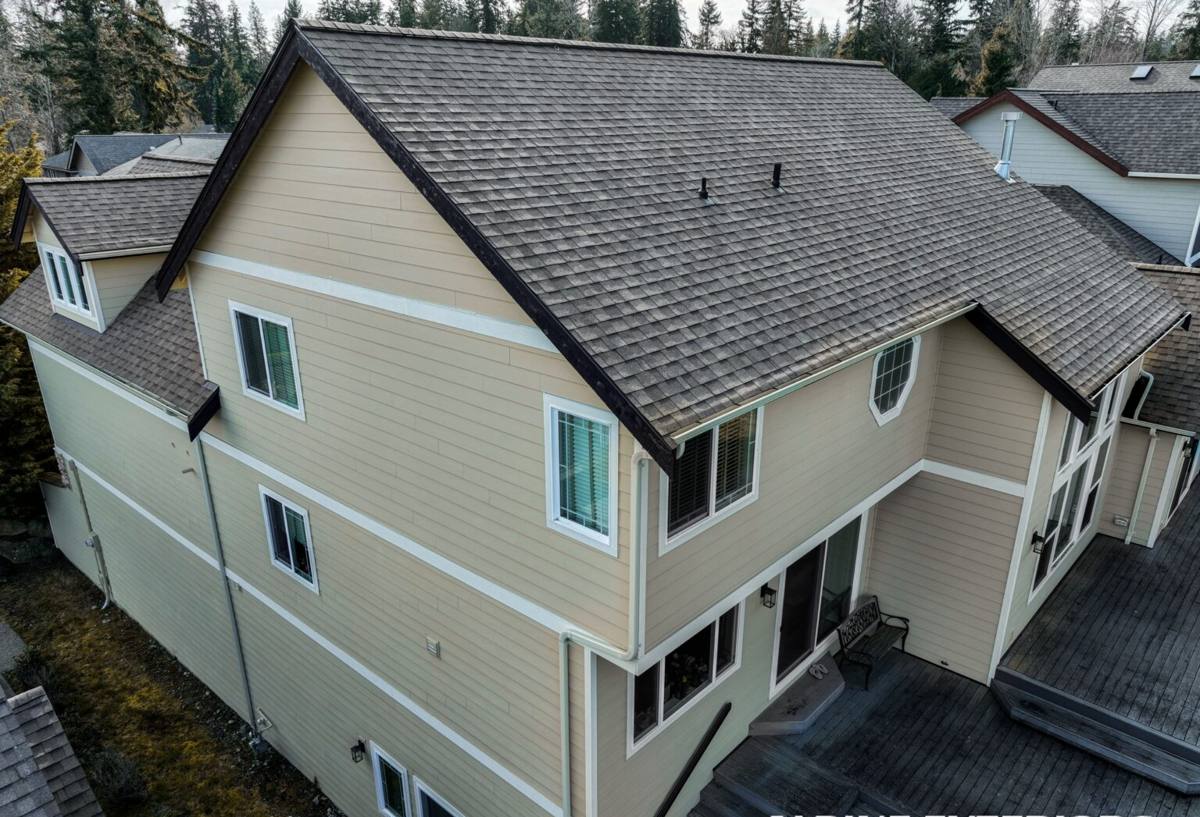
How This Climate Actually Damages a Deck
Moisture That Never Fully Dries
A deck in a drier climate gets wet, then dries out between rains. In Cordata, that drying window is often too short. Water sits in end-grain cuts, under fastener heads, and in the joints where boards meet framing — and repeated wet-dry cycles are what break down wood fiber and finish coatings over time.
Salt-Tinged Air and Metal Fasteners
Being close to Bellingham Bay means the air here carries more salt and moisture than an inland location would. That accelerates corrosion on lower-grade nails, screws, and joist hardware. Once a fastener starts rusting, it loses grip strength long before the surrounding wood shows any obvious damage — which is why a deck can look fine on top while its connections are quietly failing underneath.
Moss, Algae, and Trapped Debris
A long moss season isn't just a cosmetic issue. Moss and algae hold moisture against the decking surface, block drainage gaps between boards, and create a slippery, acidic film that speeds up wood breakdown. Left alone, a mossy deck surface can trap enough water to rot boards from the top down, not just from underneath.
Signs a Cordata Deck Needs Repair
Most deck problems don't show up as one dramatic failure — they show up as a handful of small signs that add up. Walk your deck and check for these:
- Soft, spongy, or bouncy spots underfoot, especially near the house or stairs
- Nails or screw heads popping up above the board surface
- Visible gaps opening up between the ledger board and the house siding
- Rust streaks running down from fastener heads or metal hardware
- Persistent moss or algae that comes back within weeks of cleaning
- Wobbly railings or posts that flex more than they used to
- Stair stringers that feel uneven or make cracking sounds
- Discoloration or a grayish, fuzzy texture on wood surfaces (early rot)
- Standing water that doesn't drain within a few hours after rain
Any one of these on its own might be minor. Several at once usually means moisture has been working on the structure for a while, and it's worth having it looked at before a soft spot becomes a safety issue.
What a Correct Deck Repair Actually Involves
Starting With the Ledger Board
The ledger board — where the deck attaches to the house — is the single most common source of hidden rot, because it sits behind the decking, gets rain runoff from the house wall, and is rarely flashed correctly in older construction. A proper repair means pulling back enough decking to actually see the ledger and the flashing behind it, not just patching what's visible from below.
Checking the Framing, Not Just the Surface
Joists, beams, and posts take the real structural load. A repair that only replaces surface boards while leaving compromised framing in place is a temporary fix at best. We check joist ends, hanger connections, and post bases — the areas that hold water longest and are hardest to inspect without getting underneath the deck.
Fasteners and Hardware Built for This Climate
Given the corrosion risk from moist, salt-influenced air, we use hot-dip galvanized or stainless connectors and coated structural screws rather than standard fasteners — the same standard you'd expect from hardware like Simpson Strong-Tie joist hangers and post bases, matched to coated or stainless fasteners so the metal doesn't become the weak point again in a few years.
Flashing and Water Management
Every repair is an opportunity to fix a flashing detail that was done wrong the first time. That means proper ledger flashing that sheds water away from the house, drip edges where decking meets structure, and attention to how water actually moves across the deck surface toward the edges rather than pooling in the middle.
Repair or Full Rebuild? Weighing the Factors
Not every deck problem calls for a full teardown, but not every problem should be patched either. Here's how we walk homeowners through that decision:
| Factor | Favors Repair | Favors Rebuild |
|---|---|---|
| Extent of rot | Isolated to a few boards or one framing member | Rot found in multiple structural members or the ledger board itself |
| Age of structure | Under 15 years, built to a reasonable standard | Older deck, undersized or outdated framing methods |
| Fastener condition | Hardware still sound, isolated corrosion | Widespread rust on nails, hangers, or connectors |
| Code compliance | Railings, stairs, and spacing already meet current guidance | Railing height, baluster spacing, or footing depth is out of date |
| Cost pattern | Repair cost is a fraction of rebuild cost | Repairs are starting to approach 50% or more of rebuild cost |
Broad honest range: a targeted repair on a Cordata-area deck (a section of boards, a stair stringer, or a ledger repair) often runs into the low thousands, while a full rebuild depends heavily on size, materials, and framing condition. We give a specific number only after we've actually seen the deck.
Decking Material Choices — What Holds Up Here
Pressure-Treated Wood
Still the most common and most affordable option. It performs well in this climate when the finish is maintained on a regular schedule and moss is kept off the surface — but it's genuinely maintenance-dependent, and skipping a year or two of cleaning and sealing is where problems start.
Cedar and Other Natural Woods
Attractive and naturally rot-resistant compared to standard framing lumber, but still needs consistent sealing in a climate this wet. We're upfront that natural wood decking is a higher-maintenance choice here, not a low-maintenance one.
Composite Decking
Composite boards resist rot and don't need staining, which makes them appealing given how long the moss season runs. Our professional standard is to still leave proper drainage gaps and ventilation underneath, because composite boards can still trap moisture against the framing below them if installed too tight — the framing under a composite deck still needs to be real, treated, well-fastened wood.
Our Repair Process
- On-site assessment — we walk the full deck, check underneath where accessible, and probe suspect boards and framing for soft spots
- Written scope — a clear explanation of what's failing, what's sound, and what repair or rebuild option makes sense
- Demo of affected areas only — we open up what needs to be opened, not more than necessary, but enough to actually see the problem
- Structural repair first — framing, ledger, and hardware are addressed before anything cosmetic
- Decking and finish work — new boards, fasteners, and any staining or sealing matched to the material
- Final walkthrough — we check railings, stairs, and drainage before calling the job done
Dealing With Moss and Drainage Long-Term
A repaired deck in Cordata will face the same moss and moisture pressure that damaged the original. Part of doing this job right is leaving the deck in a condition where moss and standing water don't just come right back. That means correct board spacing for drainage, removing overhanging branches where it's practical, and giving homeowners a simple maintenance rhythm — an annual cleaning before the wet season sets in, and a look-over each spring for anything that popped loose over the winter.
Why Local Experience Matters for This Job
A deck repair crew that works around Cordata and the broader Sudden Valley area regularly sees the same failure patterns over and over — the same ledger flashing mistakes, the same fastener corrosion, the same moss buildup in shaded corners. That repetition matters. It means we're not guessing at what's likely wrong underneath the surface, and we're not proposing a generic repair that ignores how this specific climate behaves. If your property falls under an HOA or architectural review process, as some communities in this area do, we can also work within those requirements rather than treating them as an afterthought.
Get an Honest Look at Your Deck
If your deck is showing soft spots, rust, persistent moss, or just doesn't feel as solid as it used to, it's worth having someone look at it before those signs turn into a safety problem. We offer free, no-pressure estimates for Cordata-area homeowners — use the form below to schedule a time for us to take a look and give you a straight answer on repair versus rebuild.