 Sudden Valley Siding
 Windows in the Alger Area Take a Different Kind of Beating
Homes around Alger and the broader Sudden Valley area sit in a Pacific Northwest climate that is hard on building envelopes generally, but especially hard on windows. You're dealing with a long wet season, wind-driven rain that hits siding and window openings at an angle instead of straight down, damp air carrying salt from the Sound and nearby waterways, and a moss and algae season that can run most of the year in shaded, tree-covered lots. None of that is dramatic on its own, but it's constant, and constant moisture exposure is exactly what wears out window seals, frames, and flashing faster than manufacturers' glossy brochures suggest.
A window that would last two or three decades in a dry inland climate can start failing in half that time here if it wasn't installed with this specific weather pattern in mind. That's the whole reason a local-focused window replacement page matters more than a generic one — the right window and the right installation details are not the same everywhere, and what works in Arizona or even in a drier part of Washington isn't automatically right for a lot tucked into the trees near Alger.
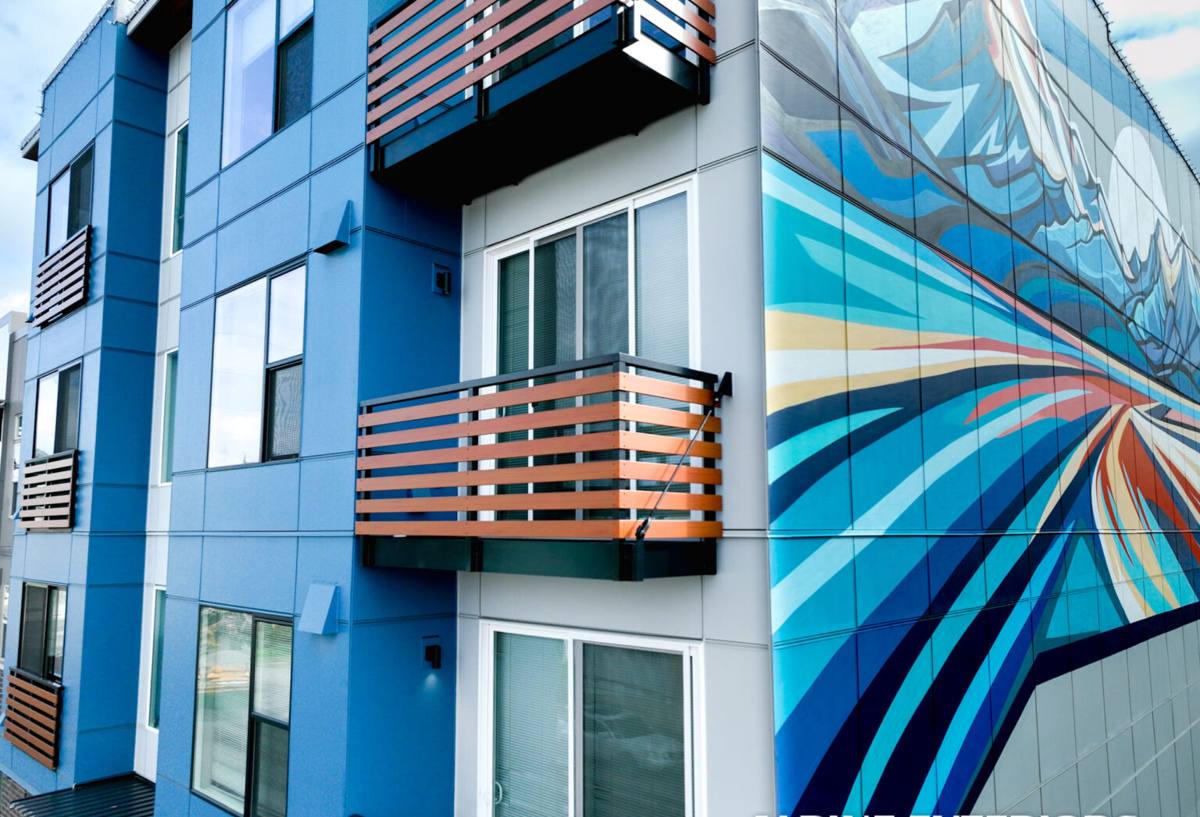
What Driving Rain, Salt Air, and Moss Actually Do to Old Windows
Before we talk about replacement, it helps to understand what's actually failing. Most window problems out here aren't glass problems — they're seal, frame, and flashing problems that eventually let moisture in behind the window unit.
Common failure patterns we see
- Fogging or moisture between double-pane glass, meaning the seal has failed and the insulating gas has escaped
- Soft or discolored trim and framing around the window, a sign water has been getting behind the unit for a while
- Visible moss or dark green-black staining building up in the corners of frames and sills, which holds moisture against the material
- Drafts or a noticeable temperature difference near the window even when it's closed
- Wood or composite sills that flex, feel spongy, or show paint that's bubbling and peeling
- Hardware that's harder to operate — swollen frames from repeated wetting and drying bind locks and sashes
Driving rain is the part people underestimate most. When rain hits a window at an angle instead of falling straight down, it tests every seam, every piece of flashing, and every bead of caulk around that opening. A window that would stay bone-dry in calmer weather can take on water at the top corners or along the sill during a real Pacific storm if the flashing detail underneath isn't right — and that detail is invisible once the trim is back on, which is exactly why it matters who does the work.
What a Correct Window Replacement Job Actually Involves
Swapping in a new window is not just unscrewing the old one and screwing in the new one. In a climate like this, most of what determines whether a window lasts happens in steps a homeowner never sees once the job is finished.
Removal and inspection
Once the old window is out, we look at the rough opening itself — the sheathing, the framing, and any existing flashing. This is often the first real look anyone's had at that opening in years, and it's common to find soft sheathing or old flashing tape that's failed, especially on walls that take the brunt of the weather. Any damaged material gets addressed before a new window ever goes in. Installing a new window into a compromised opening just hides a problem instead of fixing it.
Flashing and water management
This is the step that matters most for this climate. Proper flashing directs any water that gets past the exterior siding down and out, away from the wall assembly, rather than letting it pool at the sill or wick into the framing. We use a shingled, overlapping approach — sill flashing first, then side flashing, then head flashing — so water always sheds downward and outward the way gravity and wind-driven rain actually behave here.
Sealing and insulation
Low-expansion foam or backer rod and sealant around the frame closes air gaps without bowing the frame out of square. Exterior sealant beads get tooled properly so they shed water instead of trapping it, and we use sealants rated for the temperature swings and UV exposure this region actually sees rather than a generic caulk that gets brittle after a season or two.
Interior and exterior finish work
Trim, sills, and any siding disturbed during the swap get reinstalled or repaired so the whole opening — not just the window itself — is weathertight again. A new window surrounded by old, failing trim and caulk hasn't actually solved the moisture problem, it's just moved it.
Choosing the Right Window for This Climate
There's no single "best" window material — there are trade-offs, and the right call depends on your home, your budget, and how much upkeep you want to take on. Here's how the common options generally compare for a damp, salt-air, moss-prone environment like this one.
| Frame Material | Moisture Resistance | Maintenance | Typical Trade-Off |
|---|---|---|---|
| Vinyl | Very good — won't rot or corrode | Low; occasional cleaning | Frame can flex on very large openings; color/finish options are more limited |
| Fiberglass | Excellent — very stable in wet, temperature-swinging conditions | Low | Higher upfront cost than vinyl |
| Aluminum | Good against rot but prone to condensation without a thermal break | Low to moderate | Can feel cold and sweat in our damp winters if not thermally broken |
| Wood / wood-clad | Requires diligent upkeep to stay ahead of moisture | High — regular painting/sealing | Best look for some homes, but the maintenance burden is real in this climate |
We're honest about wood-clad windows here: they can look great, but in a climate with this much sustained moisture and moss growth, any lapse in maintenance shows up fast as rot at the sill or corners. For most Alger-area homes we lean toward vinyl or fiberglass because they hold up with far less ongoing attention, but we'll walk through the real trade-offs for your specific home rather than push one product line by default.
Glass and performance details worth asking about
- Low-E coatings that reduce heat loss without noticeably darkening the glass
- Argon or krypton gas fill between panes for better insulation
- A U-factor rating suited to Northwest Washington's climate zone, not a generic national average spec
- Warm-edge spacer systems, which reduce condensation risk at the glass edge — often the first place fogging or moisture shows up
How We Approach a Window Job in the Alger Area
Our process is straightforward because there's no benefit to making it complicated.
- Free on-site assessment. We look at each window opening individually — sun exposure, wind exposure, existing damage — rather than quoting a flat number sight unseen.
- Honest recommendation. We'll tell you which windows genuinely need replacing now, which ones can wait, and which ones just need better maintenance or a repair.
- Clear, written estimate. Materials, labor, and timeline spelled out before any work starts — no surprise add-ons mid-project.
- Careful removal and opening inspection. We don't seal up problems we find behind old windows; we fix them.
- Proper flashing, sealing, and finish work as described above, done the same way regardless of whether it's one window or a whole-house replacement.
- Walkthrough and cleanup. We show you the finished work and leave the site clean.
Why a Crew That Already Works This Area Matters
Window replacement done wrong doesn't usually fail on day one — it fails two or three winters later, quietly, behind trim and siding, when nobody's watching. A crew that regularly works properties around Alger and the wider Sudden Valley area has already seen how local conditions — heavy tree cover, prevailing wind and rain direction, ground moisture, moss buildup — actually play out on real homes, not just in a manufacturer's spec sheet.
That experience shows up in small decisions: which side of a house typically takes the worst wind-driven rain, how much moss-related buildup to expect around north-facing frames, and where existing flashing details tend to fail on homes of a certain age in this area. It also means we're not learning permit requirements, typical framing conventions, or local supplier lead times on your project — we already know them, which keeps timelines realistic and avoids the kind of guesswork that leads to callbacks.
What Affects Cost
We don't publish fixed per-window pricing because the real cost depends on specifics that vary a lot from house to house. In general terms, expect the total to move based on:
- Window size and how many are being replaced at once (per-window cost usually drops on larger jobs)
- Frame material chosen (vinyl, fiberglass, aluminum, or wood-clad)
- Condition of the existing rough opening — sound framing costs less to work with than framing that needs repair
- Glass package (standard double-pane vs. upgraded Low-E, gas-fill, or triple-pane options)
- Whether it's a straightforward swap into an existing opening or a resize/reframe
- Trim, siding, and interior finish work needed to complete the opening properly
The only way to get a number that actually means something is a look at the specific windows and openings involved — which is exactly what a free estimate is for.
Keeping New Windows Performing in This Climate
A correctly installed window still benefits from a little seasonal attention, especially with heavy moss and moisture exposure. A short annual routine goes a long way:
- Rinse frames and tracks to clear moss spores, pollen, and organic debris before it takes hold
- Check exterior caulk lines once a year for cracking or gaps, particularly after a hard winter
- Keep gutters and downspouts clear so overflow isn't running down onto window heads
- Trim back vegetation that keeps a window frame shaded and damp longer than necessary
- Operate each window a few times through the seasons so hardware doesn't seize up from disuse
None of that replaces good installation — it just protects the investment once the hard part is done right.
Ready for a Straightforward Look at Your Windows?
If windows in your Alger-area home are fogging, drafty, sticking, or showing moss and staining around the frames, it's worth having someone who works this climate take a look before it turns into a bigger repair. We offer a free, no-pressure estimate — use the form below to get started.