 Sudden Valley Siding
 Why Window Installation Is Different in Bellingham
Bellingham sits close enough to Bellingham Bay and the Salish Sea that salt-laden air is a real factor in how exterior materials age, and it shares Whatcom County's marine climate with long stretches of driving rain and a moss season that can stretch from fall through spring. Windows are one of the first places that combination shows up as a problem. A window that was installed correctly ten or fifteen years ago in a drier climate might still be fine today. A window installed with shortcuts here usually isn't.
Window installation is not just picking a product and setting it in the rough opening. It's flashing, sealing, and integrating the window with the rest of the wall assembly so that wind-driven rain has nowhere to go but back outside. Get that wrong and you don't find out for a year or two, when the damage is already inside the wall.
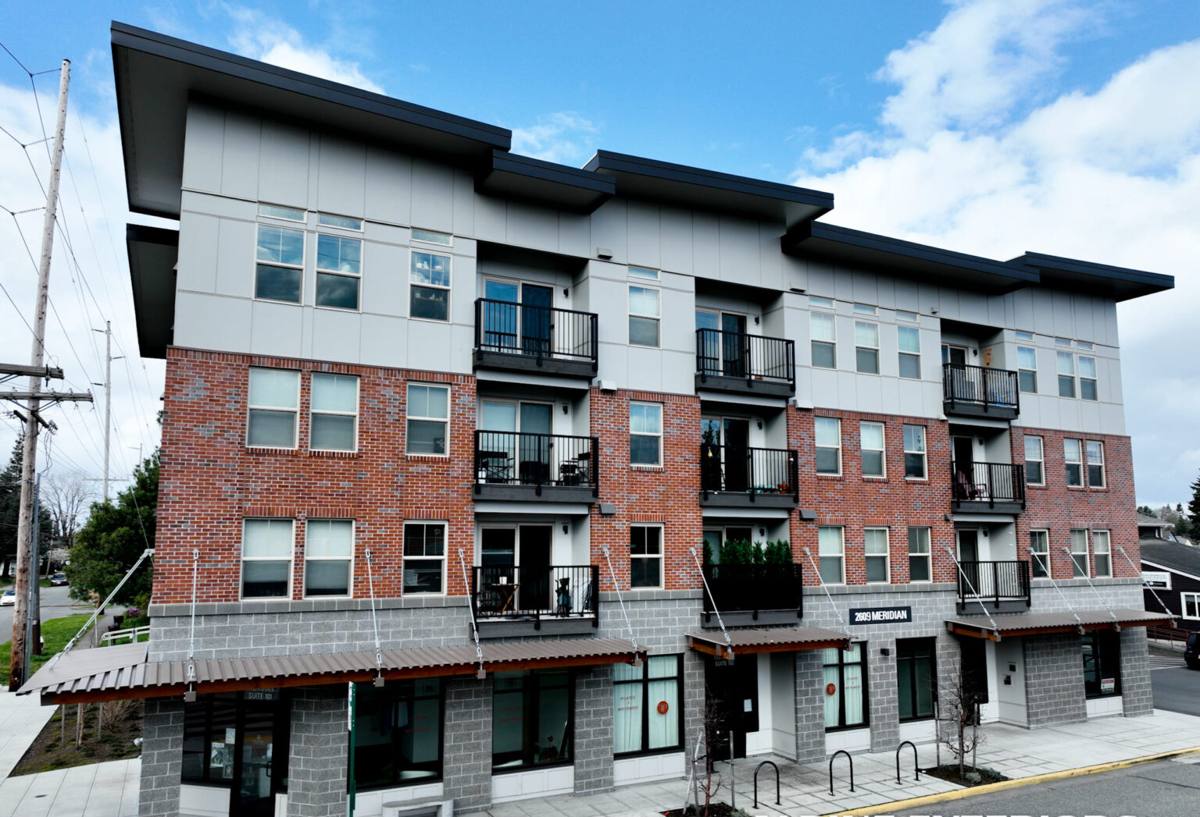
What Bellingham's Climate Does to Windows Over Time
Wind-driven rain
Storms coming off the water don't just fall straight down here, they push rain sideways into any gap around a window frame. Over years, even a small gap at a corner or a poorly lapped flashing detail lets water track behind the siding and into the framing.
Salt air and corrosion
Homes closer to the bay see faster corrosion on window hardware, screen frames, and unprotected fasteners. It's not dramatic, but it's steady, and it's one more reason to use hardware and fasteners rated for coastal exposure rather than whatever is cheapest.
Moss and constant moisture
Moss doesn't grow on the glass, but it grows on sills, trim, and anywhere organic debris collects and stays damp. Combined with our long wet season, that moisture sits against wood trim and painted surfaces far longer than it would in a drier climate, which accelerates rot if the window wasn't properly sealed and back-primed to begin with.
Signs Your Windows Are Losing the Battle
- Fogging or a permanent haze between the glass panes (a failed seal on double- or triple-pane units)
- Soft or discolored wood at the sill or bottom corners of the frame
- Drafts you can feel with your hand near the frame on a windy day
- Paint that keeps peeling or bubbling on the trim no matter how often it's repainted
- Visible daylight or gaps where the frame meets the siding
- Windows that are difficult to open, close, or lock properly
- A noticeable jump in heating costs with no other explanation
Any one of these can be minor. Two or three together usually means the window and its flashing have been letting moisture in for a while.
What a Correct Window Installation Involves
The window unit itself is only part of the job. The installation details around it determine whether the window actually performs for its expected lifespan in this climate.
Removal and opening inspection
Once the old window is out, the rough opening gets inspected for hidden rot, soft framing, or prior water damage. This is the point where problems from a past installation usually surface, and it's better to find them now than to seal a new window over them.
Flashing and water management
Proper flashing is layered so that any water that gets behind the siding is directed back out, not trapped against the framing. This includes sill pan flashing, side flashing, and head flashing installed in the correct shingle-lap order — each layer overlapping the one below it, never the reverse.
Air sealing and insulation
The gap between the window frame and the rough opening gets sealed with the right combination of backer rod, sealant, and low-expansion foam — not just foam alone, which can bow a frame out of square, and not just caulk alone, which doesn't address air leakage.
Fastening and hardware
Fasteners and hardware exposed to salt air need to be corrosion-resistant, not standard interior-grade hardware. This is a small line-item difference that has an outsized effect on how the window holds up over 15-20 years near the bay.
Interior and exterior trim
Trim gets reinstalled or replaced with attention to caulking joints and back-priming cut ends, since end grain is where wood trim absorbs moisture fastest.
Choosing the Right Window for This Climate
There's no single "best" window material for every home — the right choice depends on your home's age, budget, and how much maintenance you want to take on. Here's how the common options compare for a marine climate like ours.
| Material | Moisture Behavior | Maintenance | Typical Lifespan |
|---|---|---|---|
| Vinyl | Won't rot; handles wet climates well | Low — occasional cleaning | 20-30 years |
| Fiberglass | Very stable, resists warping in temperature/moisture swings | Low | 30-40+ years |
| Wood-clad | Good if cladding stays intact; exposed wood at cuts/joints is vulnerable | Moderate to high | 20-30 years with upkeep |
| Aluminum | Prone to condensation and corrosion near salt air unless thermally broken | Moderate | 20-25 years |
For most Bellingham homes, vinyl and fiberglass frames hold up the best against the combination of rain and salt air with the least ongoing maintenance. Wood-clad windows can still be the right call for a home where matching an existing look matters, but it's worth going in with clear eyes about the extra care they need here.
Glass and gas fill
Double-pane, low-E glass with an argon gas fill is standard for our climate and makes a real difference in comfort and condensation control. Triple-pane is worth considering on north- or west-facing walls that take the worst of the wind and rain, though it adds cost and weight.
Our Installation Process
- On-site assessment — we look at the existing windows, framing, and any visible water damage before quoting anything.
- Honest product recommendation — based on your home's exposure, budget, and how much maintenance you want, not a one-size-fits-all pitch.
- Opening prep — removal of the old unit, inspection of the framing, and repair of any rot or damage found before the new window goes in.
- Flashing and sealing — installed in the correct order so water sheds outward, not into the wall.
- Setting and fastening — window shimmed level, plumb, and square, with corrosion-resistant fasteners.
- Insulation and air sealing — backer rod, sealant, and low-expansion foam around the frame.
- Trim and finish work — interior and exterior trim reinstalled or replaced, joints caulked, cut ends back-primed.
- Final walkthrough — every window operated, checked, and cleaned before we call the job done.
Cost Factors to Consider
Every home is different, so a firm number only comes from an on-site look. In general, these are the factors that move the price:
| Factor | Why It Matters |
|---|---|
| Window material | Vinyl is typically the most budget-friendly; fiberglass and wood-clad cost more upfront |
| Number and size of openings | Larger and more numerous windows mean more labor and material |
| Existing damage | Rotted framing found during removal adds repair work before the new window goes in |
| Glass package | Triple-pane and specialty low-E coatings cost more than standard double-pane |
| Access and home height | Second-story or hard-to-reach windows take more time and equipment |
| Trim and finish scope | Full trim replacement vs. reusing existing trim changes labor and materials |
Be cautious of any quote that skips the on-site assessment or that doesn't mention flashing and sealing at all — those details are where the price difference between a cheap installation and a correct one usually shows up.
Living With Windows in a Wet, Salty Climate
Even a correctly installed window benefits from a little seasonal attention here. Keep weep holes and sills clear of moss, leaves, and debris so water can drain the way it's designed to. Rinse salt residue off hardware and frames near the bay a couple of times a year. Check caulking at the trim joints annually, since UV and constant moisture cycling will eventually break down even good sealant. None of this is a lot of work, but skipping it for years at a time is how small issues turn into rot repairs.
Why Hire a Crew That Already Works in Bellingham
A contractor who works Whatcom County regularly already knows which details actually matter here — how far to carry flashing laps for wind-driven rain, which hardware holds up near the bay, and how the long wet season changes drying times and sequencing on a job. That's different from a crew that mostly installs windows in a drier inland climate and treats every job the same way. We're not going to tell you a product is bad to make a sale, or oversell triple-pane glass on every wall of the house — we'll tell you what actually fits your home and this climate, plainly.
Questions to Ask Before You Replace Your Windows
- Will the crew inspect the rough opening for rot before installing the new window?
- What flashing method will they use, and in what order?
- Are the fasteners and hardware rated for coastal/salt-air exposure?
- What glass package (pane count, coating, gas fill) is being quoted, and why?
- Is trim replacement included, or is existing trim being reused?
- What's covered under warranty — the product, the labor, or both?
- Does the quote include a written scope, or just a total price?
If your windows are drafty, fogged, or showing soft spots at the sill, it's worth getting a second opinion before the damage spreads further into the wall. We're happy to take a look and give you a straightforward, no-pressure estimate — just fill out the form below.