 Sudden Valley Siding
 Windows Built for What Columbia Actually Deals With
Columbia sits close enough to Lake Whatcom and the surrounding tree cover that its homes take on a specific set of conditions: salt-tinged air moving in off the water, long stretches of driving rain through the fall and winter, and a moss season that seems to start earlier and last longer every year. None of that is unique to one street or one subdivision — it's a Whatcom County reality — but it adds up differently on a window-by-window basis depending on which direction a home faces, how much shade it sits under, and how old the existing windows are.
When we talk about "energy-efficient windows" for a Columbia home, we're not selling a marketing term. We're talking about a window and installation combination that keeps water out, resists the slow corrosion that salt-laden air causes on hardware and frames, and actually holds its seal through a wet Pacific Northwest winter. That's a different bar than what a big-box window looks like on a showroom floor.
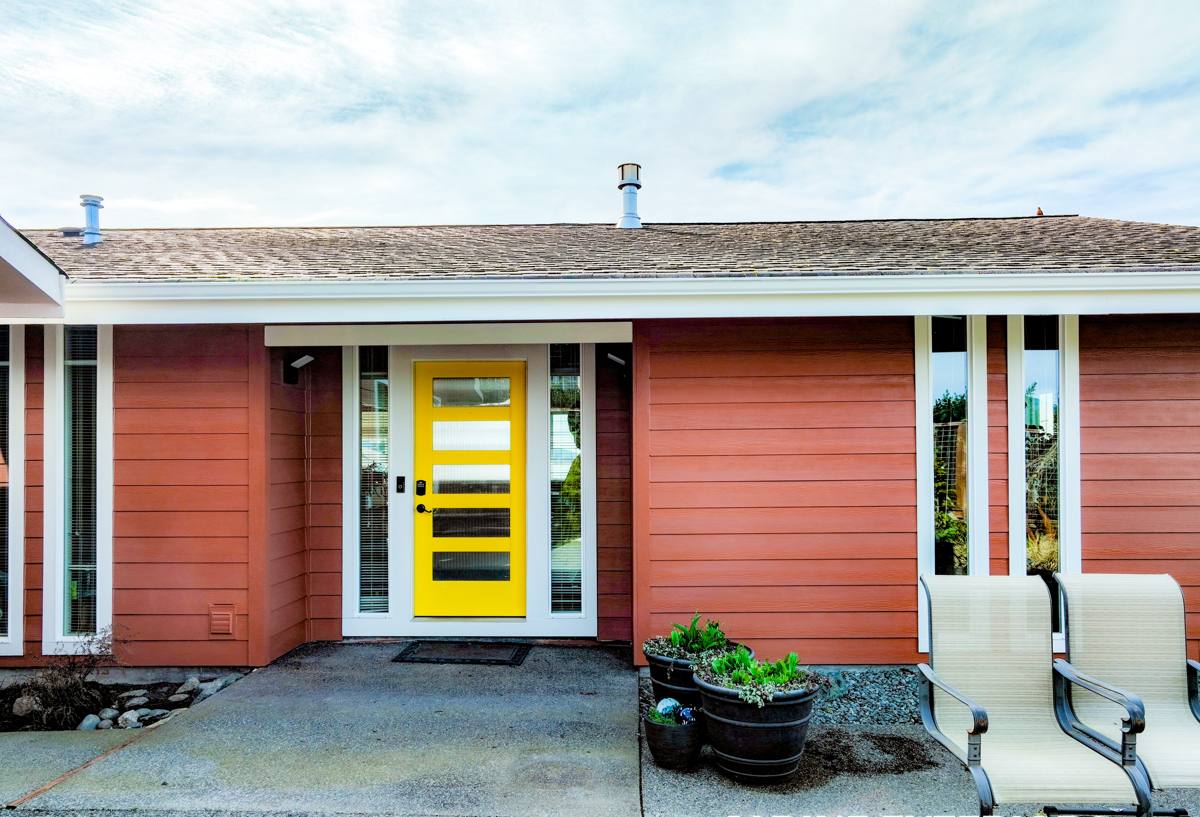
What Salt Air, Rain, and Moss Do to Older Windows
Salt Air and Hardware Corrosion
Homes closer to the lake and open air get a steady, low-level exposure to moisture-borne salts. Over years, this attacks exposed metal — window latches, cranks, balance hardware, and screen frames — long before most homeowners notice a problem with the glass itself. A window that "won't latch right" or "feels loose" is very often a corrosion issue, not a defect in the window itself.
Driving Rain and Water Intrusion
Sideways rain, common here through the wetter months, tests a window's weatherstripping and flashing far harder than a straight-down rain does. Older single-pane or early dual-pane windows, along with any window that was installed without proper flashing tape or sill pans, will eventually let water track behind the frame and into the wall cavity. By the time you see a stain on the interior trim, that moisture has usually been working on the framing for a while.
Moss, Shade, and Prolonged Dampness
Columbia's tree cover keeps a lot of homes shaded for large parts of the day, which is great for cutting summer heat gain but means exterior surfaces — including window sills, trim, and the siding around them — stay damp longer after every rain. That prolonged dampness is exactly what moss needs to establish itself, and moss holding moisture against wood trim or an aging frame accelerates rot in a way dry climates never have to deal with.
What "Energy-Efficient" Should Mean on This Property
Energy efficiency in a window comes from three things working together — the glass, the frame, and the installation. Get any one of these wrong and the other two don't matter much.
Glazing
Dual-pane, low-E glass is the standard now for good reason: it cuts heat loss in winter and heat gain in summer, and it reduces condensation on the interior glass surface — a common complaint in damp, shaded homes. Triple-pane is worth discussing on north-facing or particularly exposed walls, but it's not automatically the right call for every opening.
Frame Material
The frame has to survive the same salt air and rain exposure as the rest of the exterior. Some materials handle that better than others, and we'll walk through the trade-offs below.
Installation Quality
This is the piece that gets skipped most often, and it's the one that determines whether any of the above actually works. Proper flashing, a correctly sloped sill pan, sealed rough openings, and the right shimming and insulation around the frame are what keep water and air where they belong. A premium window installed poorly will underperform a mid-grade window installed correctly — every time.
Choosing the Right Frame Material for a Columbia Home
There's no single "best" window material — the right choice depends on budget, exposure, and how much upkeep you want to take on. Here's how the common options actually compare for this climate:
| Frame Material | Moisture & Salt Air Performance | Maintenance | Notes for Columbia Homes |
|---|---|---|---|
| Vinyl | Good — won't corrode or rot | Low | Solid value option; quality varies a lot between manufacturers |
| Fiberglass | Very good — dimensionally stable in temperature swings | Low | Handles our wet-to-dry seasonal shifts well; higher upfront cost |
| Wood-clad | Depends heavily on cladding integrity | Higher | Attractive interior look, but any breach in the exterior cladding invites the rot issues wood is prone to in wet climates |
| Aluminum | Fair — conducts cold and can corrode with prolonged salt exposure | Low | Rarely our recommendation for primary living spaces here; better suited to specific applications |
We install what fits the home and the budget, but we'll always tell you honestly where a material's weak points are for this specific climate rather than just pushing whatever has the best margin.
Our Window Replacement Process
Every job follows the same sequence, whether it's one window or a whole house:
- On-site assessment. We check existing framing for hidden rot or water damage before quoting anything — this often gets missed by crews that measure and quote from a driveway visit alone.
- Product selection. We walk through frame material, glazing package, and grille/style options based on the home's exposure and your budget.
- Removal. Old windows come out carefully, and we inspect the rough opening for damage before anything new goes in.
- Flashing and sealing. This is the step that determines long-term performance. Sill pans, flashing tape, and proper sequencing keep water managed even if the exterior sealant ever fails.
- Installation and shimming. The window is set plumb, level, and square, then shimmed and insulated around the frame — not just caulked and left.
- Interior and exterior finish. Trim, caulking, and touch-up work so the finished opening looks intentional, not patched.
- Final walkthrough. We check operation, seals, and finish with you before we consider the job done.
Signs Your Current Windows Are Working Against You
A lot of homeowners live with underperforming windows for years simply because the problems show up gradually. Watch for:
- Visible fogging or moisture between panes (a failed seal on dual-pane glass)
- Condensation forming on the interior glass regularly, especially in bathrooms and bedrooms
- Drafts you can feel near the frame on windy or rainy days
- Difficulty opening, closing, or latching — often corrosion or a warped frame
- Soft or discolored trim and sill wood around the window
- Moss or algae buildup on the exterior sill or trim that keeps coming back
- A noticeable temperature difference near the window compared to the rest of the room
- Higher heating bills without a clear explanation elsewhere
What Affects the Cost of a Window Project
Every home is different, but the main cost drivers are consistent across most jobs:
| Factor | Why It Matters |
|---|---|
| Number and size of openings | Larger and more numerous windows mean more material and labor |
| Frame material chosen | Vinyl, fiberglass, and wood-clad carry different price points |
| Glazing package | Standard dual-pane low-E vs. upgraded triple-pane or specialty coatings |
| Condition of existing framing | Hidden rot or water damage found during removal adds repair work |
| Access and site conditions | Second-story openings, tight lot access, or extensive tree cover can add time |
| Trim and finish scope | Full trim replacement costs more than a simple reinstall |
We don't quote a job until we've actually looked at the openings — anything given over the phone without seeing the home is a rough guess at best.
Why Local, Columbia-Familiar Experience Matters
A crew that regularly works in Columbia and the broader Sudden Valley area already knows what to look for: which orientations tend to take the worst weather, where moss and shade cause the most trim damage, and how salt air exposure shows up in hardware over time. That's not something you can fully account for with a generic installation checklist written for a different climate. It also means we're not guessing at code requirements or typical framing conditions for homes built in this area — we've seen them.
Keeping New Windows Performing Through Moss Season
New windows aren't maintenance-free, especially in a climate like this one. A little routine care goes a long way:
- Rinse sills and tracks periodically to clear moss spores and organic debris before they take hold
- Check exterior caulking annually, particularly after a hard winter
- Keep nearby vegetation trimmed back to reduce shade and moisture retention on the exterior
- Operate windows through the seasons rather than leaving them shut for months at a time — this keeps hardware and seals working properly
If you're noticing drafts, fogged glass, or trim damage around your windows, it's worth getting an honest, no-pressure look before those issues get more expensive to fix. Use the form below to request a free estimate, and we'll take a straightforward look at what your home actually needs.