 Sudden Valley Siding
 Siding Repair for the Columbia Area of Sudden Valley
Homes in the Columbia area of Sudden Valley sit in one of the more demanding siding environments in Whatcom County. Between the tree cover along Lake Whatcom's hillsides, the marine-influenced air that moves through the region, and a rain season that can stretch for months, siding here works harder than siding in drier, more open parts of the county. When it starts to fail — a soft spot near a trim board, a cracked panel, paint that won't hold — the repair needs to actually solve the problem, not just cover it up. This page walks through what Columbia-area homeowners should know about siding repair specifically, from what causes the damage to what a correct fix looks like.
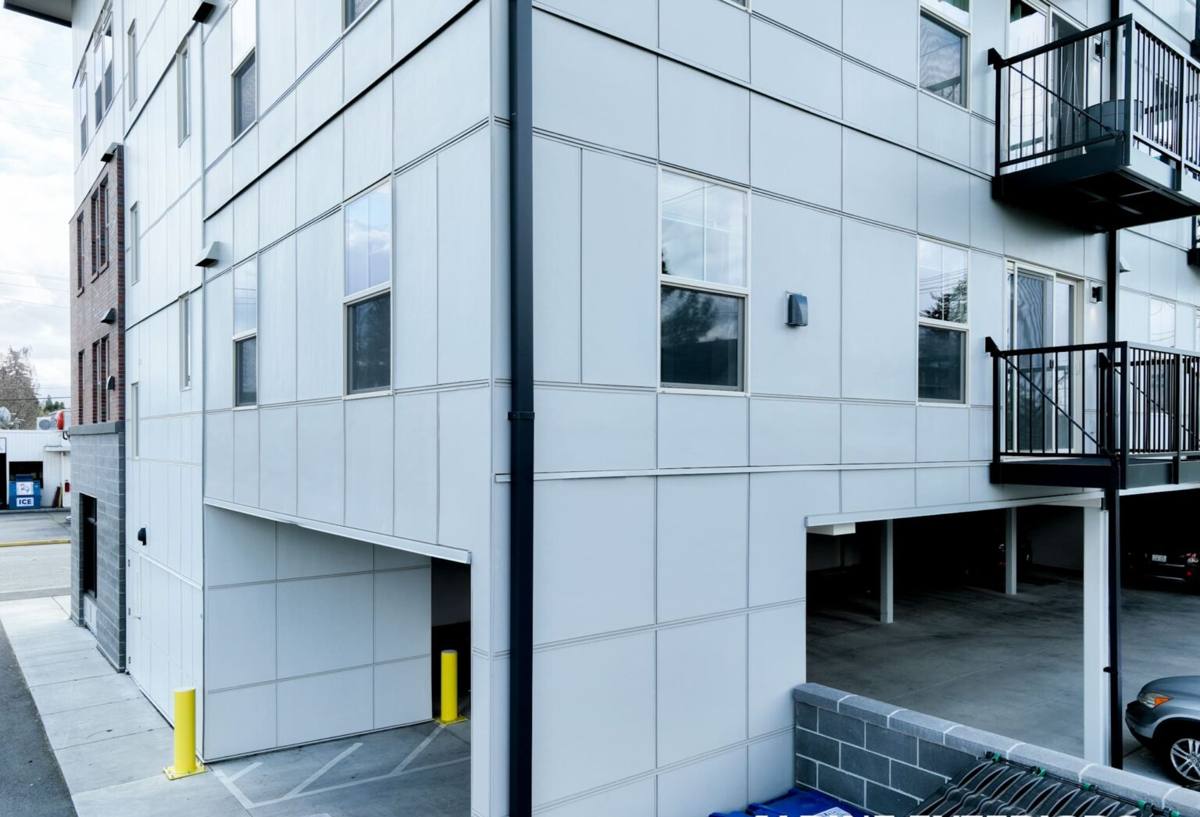
What This Climate Does to Siding Over Time
Whatcom County's climate is a combination of a few different stressors, and siding on a wooded, sloped lot near the lake usually catches more than one of them at once.
Driving Rain and Wind-Driven Moisture
Storms coming off the water don't just fall straight down — wind pushes rain sideways into wall assemblies, working into seams, butt joints, and anywhere caulking has started to fail. Over years, that moisture finds the smallest gap and exploits it.
A Long Moss and Mildew Season
Shaded, tree-covered lots — common around Columbia and much of Sudden Valley — stay damp longer after every rain. That extended dampness is exactly what moss, algae, and mildew need to take hold on siding surfaces, and once organic growth is established it holds even more moisture against the wall.
Salt-Influenced Marine Air
The marine air that moves through this part of Whatcom County carries a fine salt content that accelerates the breakdown of fasteners, caulking, and lower-grade paint finishes. It's a slow effect, but it's a real one, and it's part of why siding that performs fine in a dry inland climate can underperform here.
None of these factors are dramatic on their own. The problem is that they layer — rain gets in, shade keeps it from drying, and marine air speeds the corrosion of whatever is supposed to be keeping water out. That combination is what shortens the life of siding that isn't built or installed for it.
Signs a Columbia-Area Home Needs Siding Repair
Most siding failures don't announce themselves. They show up as small, easy-to-miss details first. Homeowners in this area should walk the exterior a couple times a year and look for:
- Soft or spongy spots when you press on the siding, especially near the bottom courses or below windows
- Visible cracking, splitting, or buckling in individual panels or boards
- Paint that's peeling, bubbling, or chalking heavily in one section but not others
- Persistent moss or algae staining that keeps coming back after cleaning
- Gaps opening up at seams, corners, or where siding meets trim, windows, or doors
- Staining or discoloration on interior walls near exterior corners — a sign water is already getting past the siding
- Visible fastener corrosion or streaking rust marks below nail heads
Any one of these on its own might be minor. Several showing up in the same area of the house, especially a shaded or storm-facing wall, usually means water has been getting behind the siding for a while.
What a Correct Siding Repair Actually Involves
A siding repair that just swaps a damaged board for a new one, without looking at what's underneath, tends to fail again in a few years. Done right, a repair addresses three things: the visible damage, the cause of the damage, and the water management behind it.
Diagnosing the Real Extent of Damage
Before any new material goes up, the damaged section needs to come off so we can see what's actually happening behind it. Sometimes surface damage is isolated. Other times it's a sign that the weather-resistive barrier, flashing, or sheathing underneath has also been compromised — and patching over that without fixing it just traps the problem.
Correcting Water Management, Not Just Appearance
Most siding failures in this climate trace back to water management, not the siding material itself: missing or improperly lapped flashing, caulk used in place of proper flashing, or house wrap that was torn or installed backward. A repair has to correct these details, not just replace the boards over top of them.
Matching Material and Finish
Whenever possible, repairs should tie into the existing siding cleanly — matching profile, reveal, and color so the repaired section doesn't stand out as an obvious patch. This is easier when the original siding is a factory-finished product with a consistent, documented color line, and harder with field-painted materials where the original batch and finish are difficult to replicate exactly.
Proper Fastening and Clearances
Repairs done with the wrong nailing pattern, fasteners driven too tight, or panels installed without the manufacturer's required gaps and clearances will crack or trap moisture again — often faster than the original installation failed.
Repair vs. Replace: How We Help Homeowners Decide
Not every siding problem calls for a full re-side, and not every problem should be patched. The right call depends on how contained the damage is and what's found once we open up the affected area.
| Factor | Repair Usually Makes Sense | Replacement Should Be Considered |
|---|---|---|
| Extent of damage | Isolated to one wall or a few panels | Spread across multiple elevations |
| Underlying sheathing | Solid, dry, no rot found | Soft, delaminated, or water-damaged |
| Cause of failure | A single identifiable defect (flashing, caulk, impact damage) | Systemic issue — poor original installation or product-wide failure |
| Siding age and material | Newer material still within its expected service life | Original siding at or past end of life, or a discontinued product |
| Color and profile match | Close match available | No reasonable match; patch would be visually obvious |
We'll tell you honestly which side of that table your home falls on. There's no benefit to us in talking a homeowner into a full replacement when a proper repair will hold up.
Why We Only Repair and Install With James Hardie Fiber Cement
When a repair calls for new material — whether it's a few boards or a full section of wall — we use James Hardie fiber cement, and we don't install vinyl, LP SmartSide, Cemplank, Allura, or wood siding of any kind. That's a deliberate standard, not a default.
Fiber cement doesn't absorb water the way wood-based products can, which matters directly in a climate with this much sustained moisture and moss pressure. It's non-combustible, which is a meaningful consideration as wildfire smoke seasons have become a regular part of summers in this region. And Hardie's ColorPlus factory finish is baked on and warrantied separately from the substrate, which means a repaired section holds its color and resists fading more consistently than field-painted alternatives — an advantage specifically when we're trying to match new material into existing siding down the road.
We're not going to pretend other products don't have their advocates or their place. But when we're the ones standing behind the repair, we want to be putting a material behind that guarantee that we trust to perform in this specific climate, and that's Hardie.
Our Process for a Columbia-Area Siding Repair Call
- Inspection. We look at the full exterior, not just the spot you called about — related issues often show up nearby.
- Diagnosis. We open up the damaged area enough to see the sheathing, barrier, and flashing underneath before quoting anything.
- Honest scope. We tell you plainly whether it's a repair, a larger repair than expected, or a case where replacement is the better long-term move.
- Correct rebuild. Flashing and water management get fixed first, then Hardie material goes back on to spec — proper fastening, clearances, and sealant details.
- Match and finish. We match profile and ColorPlus color as closely as the product line allows so the repair blends in.
Why a Crew That Already Works Columbia Matters
Siding repair isn't one-size-fits-all across Whatcom County. A crew that regularly works the Sudden Valley and Columbia area already knows how tree cover and lake-adjacent humidity affect moss growth and drying time, how storms tend to hit certain elevations harder than others, and what problems show up repeatedly in homes built to a certain era or spec in this community. That local pattern recognition shortens the diagnostic process and reduces the chance of missing a related issue nearby. It also means we're not guessing at how a repair will hold up here — we're basing it on what we've already seen perform, and what hasn't, on homes very much like yours.
Maintaining Your Siding Between Repairs
Once a repair is done right, a little seasonal attention keeps it — and the rest of your siding — from needing another one prematurely:
- Rinse moss and algae growth off gently at least once a year, especially on shaded walls
- Keep gutters clean so overflow isn't running down the siding face
- Trim back vegetation and tree limbs that keep siding sections damp and shaded
- Re-caulk gaps at trim, windows, and penetrations before they widen
- Do a quick visual walk-around each fall before the heavy rain season sets in
If you're seeing damage, soft spots, or recurring moss on your home's siding, we're happy to take a look and give you a straight answer on what it needs — no pressure, no upsell. Reach out below for a free estimate.