 Sudden Valley Siding
 Windows Built for the Acme Climate, Not a Catalog
Homes in the Acme area near Sudden Valley sit in one of the more demanding climates in Whatcom County for exterior building products. Salt-laden air moving in off the Sound, driving horizontal rain through the fall and winter, and a moss season that can stretch nine months out of the year all put steady stress on window frames, seals, and sills. A window that performs fine in a dry inland climate can fail early here — not because it's a bad product, but because it was never matched to what this specific area throws at a house.
"Custom" windows means more than picking a style out of a brochure. It means sizing and building each opening to the actual rough opening in your home, matching frame material and glazing to how much weather that particular wall or elevation takes, and installing with flashing and sealing details that account for wind-driven rain — not just gravity-fed runoff. That's the standard we build to on every Acme-area job.
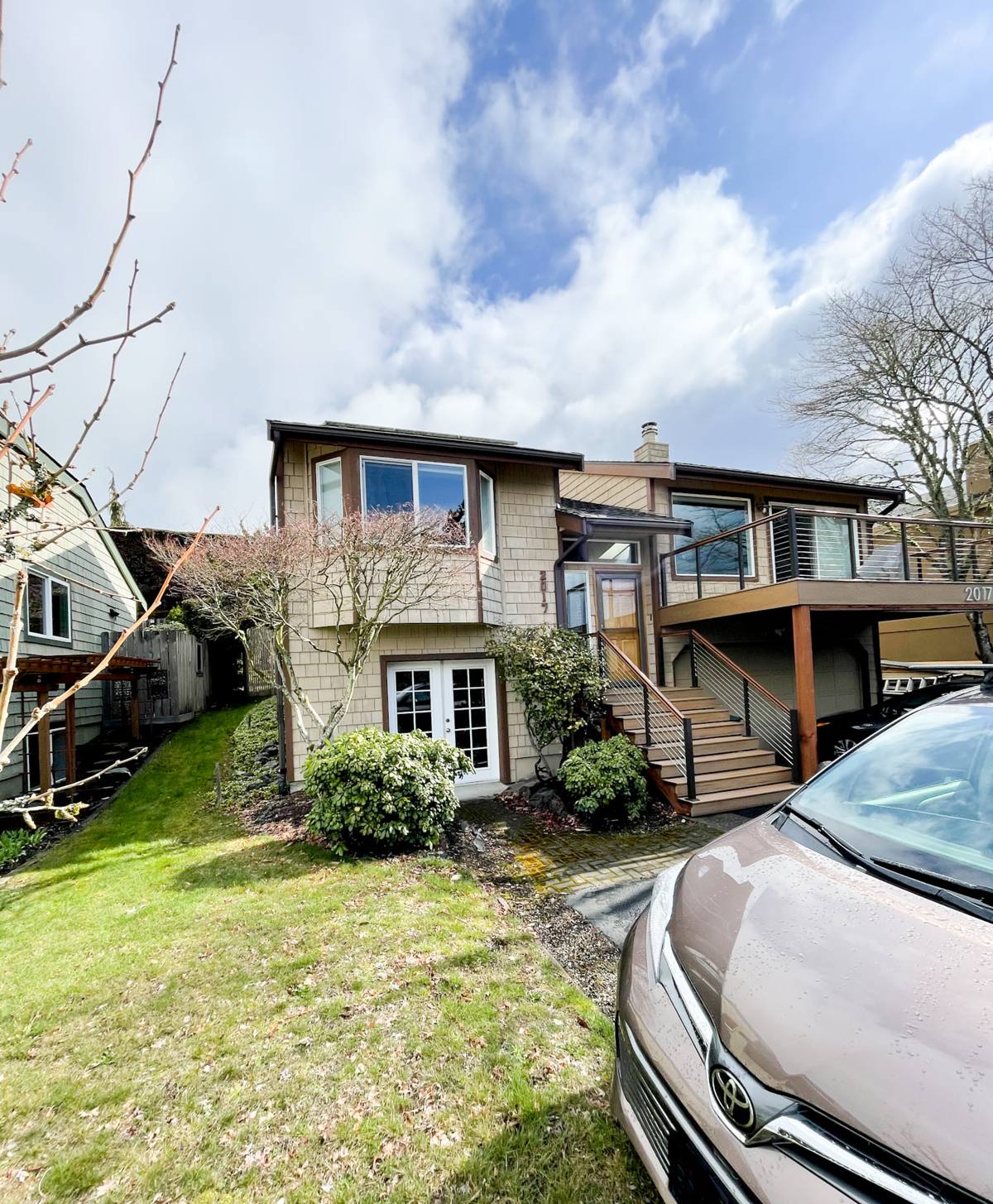
What Wind-Driven Rain and Salt Air Actually Do to a Window
Most window failures we see out here aren't glass failures — they're envelope failures. Water finds its way behind the trim or under a poorly lapped flashing detail, and it doesn't dry out because the humidity and cloud cover in this region don't give it much of a chance. Over a few seasons, that shows up as:
- Soft or discolored wood trim and sill framing around the window opening
- Fogging between panes on older or lower-grade dual-pane units, meaning the seal has failed
- Corroded hardware, hinges, or cranks on operable windows, especially on west- and south-facing walls
- Moss and algae staining collecting in horizontal trim runs and sill returns
- Drafts or cold spots at the frame that weren't there when the house was newer
None of this is unusual for a house in this part of Whatcom County. It's just what happens when a window and its installation weren't built with this weather pattern in mind. The fix isn't a fancier window — it's the right window installed with the right details.
Why This Matters More for a Custom Install Than a Standard One
A stock-size replacement window dropped into an opening with generic trim wrap is the fastest way to build in a future callback. Custom sizing lets us fit the window tight to the actual opening, minimize gaps that need to be field-sealed, and integrate the flashing with the existing siding or trim system properly instead of caulking over the gaps and hoping. In a climate that gets sustained, wind-driven rain, that installation detail matters as much as the window itself.
Choosing the Right Frame and Glass for an Acme-Area Home
There's no single "best" window for every house — the right call depends on sun exposure, wall orientation, budget, and how much upkeep you want to take on. Here's how the common frame materials stack up for this specific climate:
| Frame Material | Moisture Performance | Maintenance | Typical Fit |
|---|---|---|---|
| Vinyl | Good — won't rot, handles humidity well | Low; occasional cleaning | Most homes, best value |
| Fiberglass | Excellent — very stable in wet/cold swings | Low | Higher-exposure walls, long-term owners |
| Wood-clad | Good on exterior, but interior wood needs protection | Higher; finish maintenance | Historic or high-end aesthetic goals |
| Aluminum | Prone to condensation and corrosion near salt air | Moderate to high | Not our first recommendation for this area |
For glass, we generally steer Acme-area homeowners toward dual-pane units with low-E coatings and argon fill as the baseline, with the exact coating tuned to the window's sun exposure. A west-facing wall that catches afternoon sun and driving rain in the same storm system benefits from a different glass package than a shaded north wall. We'll walk through those trade-offs on-site rather than quoting the same package for every opening in the house.
How We Approach a Custom Window Job Here
1. On-Site Assessment
We look at each opening individually — not just the window itself, but the condition of the sill, header, and surrounding wall assembly. In this climate, hidden moisture damage around an old window is common enough that we check for it before quoting, rather than after we've already pulled the unit.
2. Precise Measurement and Sizing
Every opening gets measured on its own. Houses settle, framing shifts slightly over decades, and "standard" sizes rarely match reality once a home has a few decades of Whatcom County weather behind it. Custom sizing means less gap to seal and a tighter, more durable fit.
3. Flashing and Sealing Details
This is where most of the long-term performance comes from. We integrate window flashing with the existing water-resistive barrier and siding so water is directed out and down, not trapped behind the trim. Sill pans, proper head flashing laps, and correctly ordered sealant joints matter more here than in a drier climate, because any shortcut eventually gets tested by a real storm.
4. Installation and Finish
Once the unit is set, shimmed level and plumb, and fastened per manufacturer spec, we finish the interior and exterior trim and confirm the window operates correctly — smooth sash movement, solid locks, no binding. We walk it with you before we call the job done.
New Construction vs. Retrofit Replacement
Most of our Acme-area window work falls into one of two categories, and the right approach depends on the condition of your existing frame and trim:
- Full-frame (new construction) replacement: The old window and its frame come out entirely, exposing the rough opening so we can inspect and, if needed, repair the framing and re-flash from scratch. This is the right call when there's existing water damage or when you're changing window size or style.
- Insert (retrofit) replacement: The new window is installed into the existing frame, which stays in place. This is faster and less invasive, and it's a solid option when the existing frame is dry, square, and in good condition.
We'll tell you honestly which one your house needs rather than defaulting to whichever is faster for us. If we open a wall and find soft framing, we'll show you before we move forward, not after.
What Drives Cost on a Custom Window Project
| Factor | Why It Matters |
|---|---|
| Frame material and glass package | Vinyl, fiberglass, and wood-clad carry different material costs; upgraded low-E or impact-rated glass adds cost |
| Full-frame vs. insert installation | Full-frame involves more labor, trim work, and potential framing repair |
| Number and size of openings | Larger or custom-shaped windows (bays, picture windows) require more precise fabrication |
| Existing water damage | Rot repair at the sill or header adds time and material before the new window goes in |
| Wall exposure | Openings on heavy weather-exposed elevations may warrant upgraded flashing or sealants |
We won't quote a job sight unseen. A written estimate follows an actual on-site look at your openings, because the honest price depends on what we find, not just the size of the window.
Keeping Custom Windows Performing Long-Term
A well-installed window in this climate should need very little from you, but a small amount of seasonal attention goes a long way toward getting the full lifespan out of the investment:
- Clear moss and debris from sills and horizontal trim before it holds moisture against the frame
- Check exterior caulking annually, especially after a hard winter, and re-seal any cracked joints
- Operate and lubricate hardware on operable windows so cranks and locks don't seize
- Watch for soft spots in interior sill trim, which can be an early sign of a seal or flashing issue
- Keep gutters and downspouts clear so roof runoff isn't sheeting down over window heads
Why Hiring a Crew That Already Works the Acme Area Matters
Window installation looks similar everywhere on paper, but the details that actually matter — how much wind-driven rain a given wall takes, how long moss and moisture linger on shaded elevations, how salt air affects hardware and finishes over time — are learned by working houses in this specific area, not by reading a spec sheet. A crew that's done this work around Sudden Valley and the surrounding Whatcom County communities has already seen which shortcuts fail here and which details hold up.
We stand behind our installation work, we use flashing and sealing methods matched to this climate rather than a one-size-fits-all approach, and we'll give you a straight answer about whether your house needs a full-frame replacement or can go with a simpler insert. No pressure, no upsell for its own sake — just what your windows actually need.
If you're dealing with drafty, foggy, or moss-stained windows on your Acme-area home, or you're planning ahead for a remodel, we're glad to come take a look. Reach out for a free, no-pressure estimate using the form below — we'll assess your windows on-site and give you a straight, written recommendation.