 Sudden Valley Siding
 Windows Built for Cordata's Marine Climate
Homes in and around Cordata sit in a stretch of Whatcom County where the weather doesn't do anything in half measures. Salt-laden air drifts in off the water, driving rain comes sideways for days at a time in the fall and winter, and the shade and dampness that follow keep moss and algae active on north-facing surfaces for most of the year. Windows are one of the first things on a house to show the wear from all of that. Seals harden and crack, aluminum and low-grade vinyl frames pit or discolor, and wood sashes that aren't properly sealed start to swell and stick. None of this is a defect in the house — it's just what this climate does to building materials over time, and it's exactly why the windows going into a Cordata home need to be selected and installed with this specific weather pattern in mind, not a generic one.
Custom windows aren't about luxury add-ons. They're about getting the sizing, frame material, and glass package matched to the actual opening in your wall and the actual conditions outside it, instead of forcing a stock size to fit.
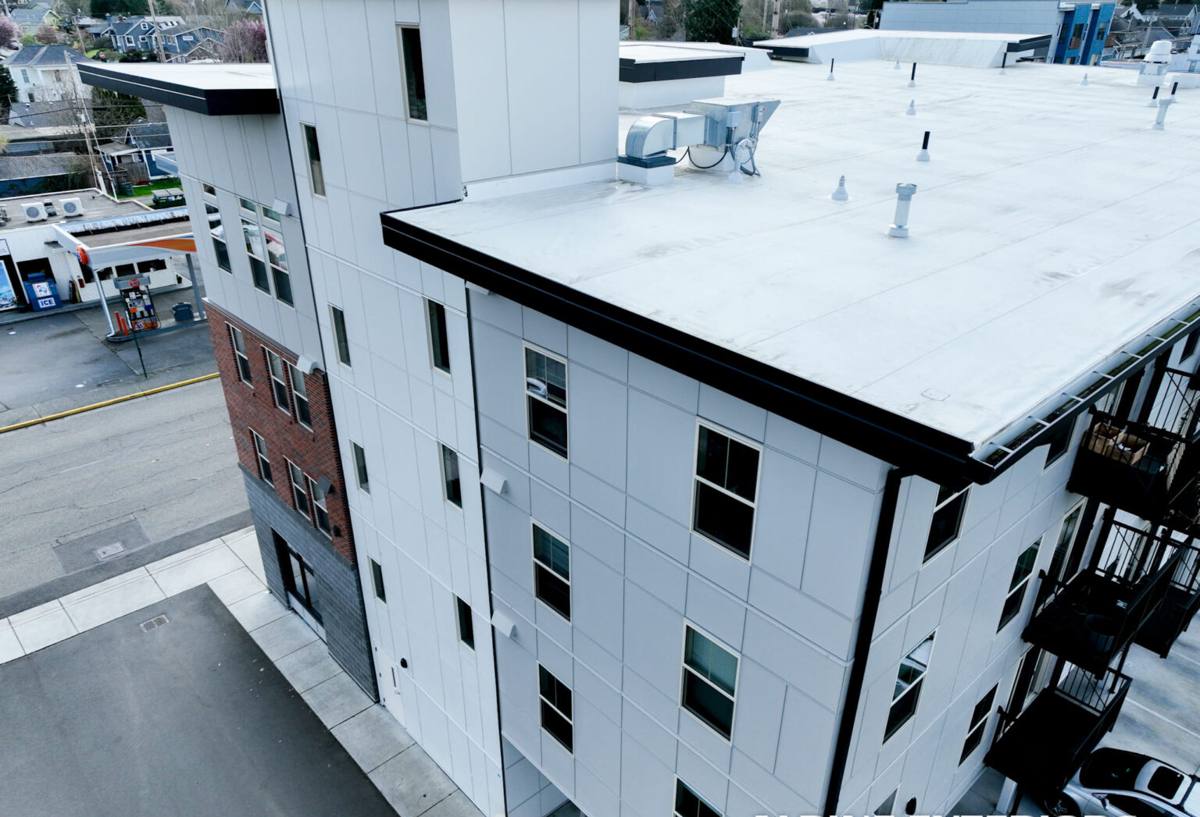
What "Custom" Actually Means
"Custom" gets used loosely in this industry, so it's worth being specific about what it means on a real job. It starts with measuring every opening individually — older homes in this area often have openings that have shifted slightly out of square over the decades, and a window built to exact dimensions seals and operates far better than a stock size wedged in with extra shims and caulk. From there, custom covers:
- Exact frame dimensions for each opening, including out-of-square or settled openings
- Choice of frame material suited to the wall's exposure — full weather, partial cover, or sheltered
- Glass package selected for orientation (south and west faces take more sun; north faces take more moisture)
- Grille pattern and exterior color matched to the home's existing trim and siding
- Retrofit (insert) versus full-frame replacement, depending on the condition of the existing frame and sill
The retrofit-versus-full-frame decision matters more here than in drier climates. If the original frame or sill has taken on water damage — which is common on homes that have gone a few decades without attention to caulking and flashing — an insert window installed over a compromised frame just traps the problem behind new trim. Part of an honest assessment is telling you when a job needs to go to the studs instead of a quick swap.
Signs Your Windows Are Past Due for Replacement
Most homeowners call us after noticing one or two of these, not because they've done a full inspection. Worth checking around your own house:
- Visible fog or moisture trapped between the panes — the seal has failed and the insulating gas is gone
- Drafts you can feel with a hand near the frame on a windy day
- Wood sashes or sills that are soft, spongy, or dark-stained
- Windows that are hard to open, close, or lock, especially after rain
- Visible moss, algae, or black streaking building up on the sill or lower sash
- Noticeably higher heating bills with no other explanation
- Condensation forming on the inside of the glass regularly through fall and winter
Any one of these on its own might just need a repair. Several at once, especially on the same wall, usually points to the frame itself having reached the end of its service life.
Frame and Glass Options for Whatcom County Homes
There's no single "best" window — there's a best fit for the exposure, budget, and look of a given wall. Here's how the common options actually perform in this climate:
| Frame Material | How It Handles This Climate | Maintenance | Typical Fit |
|---|---|---|---|
| Vinyl | Won't rot or corrode from salt air; stable in driving rain | Low — occasional cleaning | Most homes, best value |
| Fiberglass | Expands and contracts less than vinyl through temperature swings; very stable seal over time | Low | Larger openings, higher-exposure walls |
| Wood, clad exterior | Exterior cladding shields the wood from rain and salt air; interior wood look preserved | Moderate — cladding needs periodic inspection | Homes prioritizing interior wood appearance |
| Bare wood | Most vulnerable to moisture and rot in a wet marine climate without diligent upkeep | High — regular painting/sealing | Historic restoration only |
On the glass side, a dual-pane, low-E unit with argon fill is the baseline we recommend for this area — it manages both heat loss and condensation risk reasonably well. For west- or south-facing rooms that get strong afternoon sun, a low-E coating tuned to cut solar heat gain keeps rooms from overheating in summer without sacrificing winter warmth. We'll walk through which combination fits each wall of your home rather than quoting one spec for the whole house.
How We Handle a Window Installation, Start to Finish
A window is only as good as the opening it sits in. Our process is built around getting that part right, not just setting a new unit in place:
- On-site assessment of each opening, checking the sill, framing, and existing flashing for hidden water damage
- Precise measurement and ordering of correctly sized units — no forcing stock sizes into non-standard openings
- Careful removal of the old window and inspection of the framing once it's exposed
- Repair of any rot or damaged framing found before anything new goes in
- Installation of new flashing and weather-resistant barrier detailing at the sill and jambs
- Setting the window plumb, level, and square, with proper shimming and fastening
- Sealing and insulating the perimeter gap correctly — not overpacked, not left open
- Exterior trim and caulking finished to shed water, not trap it
- Final operation check and walkthrough with you before we consider the job done
Step four is the one that surprises people. It's common to open up a wall in this region and find soft framing behind a window that looked fine from the outside. Finding it during the job — instead of it becoming your problem five years later — is part of what a proper installation is supposed to catch.
Flashing and Moisture Management — The Part Nobody Sees
The window itself gets all the attention, but the flashing and sealing details around it are what actually keep water out of the wall over the long run. In a climate with as much sideways, driving rain as Whatcom County sees, water is going to hit that opening hard and often. The job of good flashing is to give that water a defined path back out, rather than letting it find its own way into the framing.
That means the weather-resistant barrier gets lapped correctly — upper layers over lower ones, so water always flows outward — and the sill pan is sloped and sealed so any water that does get past the glazing drains out instead of pooling. Caulk has a role, but it's the last line of defense, not the whole strategy. A window installed with correct flashing and a bad caulk job will usually outlast one that's caulked perfectly but flashed wrong. We treat this step as non-negotiable, because it's the difference between a window that lasts twenty-plus years and one that causes hidden rot behind new trim within five.
Condensation, Efficiency, and What to Realistically Expect
New windows lower heating costs and cut drafts, but it's worth setting honest expectations. In a humid marine climate, some interior condensation on glass during cold snaps is normal even with a good window — it's a function of indoor humidity meeting cold outdoor temperatures, not a sign of a failed unit. What a quality, correctly installed window does is reduce how often and how badly that happens compared to an old, single-pane or failed-seal window, and it stops the drafts that make rooms feel colder than the thermostat says they should be.
If condensation is severe, showing up on multiple windows, or accompanied by moisture on the frame itself, that's usually more about indoor humidity levels (bathroom fans, dryer venting, cooking) than the window. We'll tell you honestly if that's what we're seeing rather than selling you a window as a fix for a ventilation issue.
Why Local Experience in Cordata Matters
A window that's rated for a dry climate somewhere else isn't automatically the right choice here. Crews who work this area regularly know which walls in Whatcom County homes tend to take the worst weather, which framing details from different building eras are prone to hidden rot, and how long moss and damp conditions typically take to cause real damage if a window's seals are neglected. That local pattern recognition shows up in small decisions — where to add extra flashing detail, which frame material to steer a homeowner toward on a heavily exposed wall — that a crew unfamiliar with this climate might not think to make.
It also means we're not guessing about supply timelines, permitting norms, or how a given manufacturer's product actually holds up after a few Whatcom County winters. That's the kind of thing you only learn by doing the work here, repeatedly, over time.
Keeping New Windows Performing for Years
Custom windows installed correctly are close to maintenance-free, but a little seasonal attention extends their life:
- Clear moss, algae, and debris from sills and tracks before it holds moisture against the frame
- Check exterior caulk lines once a year for cracking or gaps and have them touched up if needed
- Keep gutters and downspouts clear so runoff isn't sheeting directly down over window heads
- Operate each window a few times through the year so hardware and weatherstripping don't seize up
- Wipe down tracks and weep holes so drainage paths stay open through the wet months
If you're weighing whether it's time to replace windows on your Cordata home, or you just want a straight answer about what a specific window or wall needs, we're happy to take a look. The estimate is free, there's no pressure, and you'll get a clear explanation of what we'd actually recommend and why — just fill out the form below to get started.