 Sudden Valley Siding
 What Edgemoor's Climate Does to a Roof Over Time
Edgemoor sits close enough to the water that salt-laden air is a constant, low-grade stress on every exposed roofing material. Add the driving rain that blows in off the Sound during winter storms and the long, damp moss season that follows, and you get a roof that ages differently here than it would inland. A repair that ignores any one of these three factors tends to fail again within a year or two.
Salt Air and Slow Corrosion
Salt air accelerates corrosion on any exposed metal — nail heads, flashing, gutter fasteners, and the metal components in some roof vents. On an older roof, this shows up as rust streaks below flashing joints or fasteners that have backed out because the metal has weakened. It's a slow process, which is exactly why it gets missed during a quick visual check from the ground.
Driving Rain and Wind-Driven Water
Whatcom County storms don't always drop rain straight down. Wind-driven rain gets pushed sideways and upward under shingle edges, around chimney flashing, and into valleys where two roof planes meet. A roof can shed a normal rainstorm just fine and still leak during a windy one, because the water is finding its way in horizontally, not vertically. This is one of the most common reasons a homeowner sees a new stain on the ceiling only during certain storms and not others.
A Long, Damp Moss Season
Shaded lots, filtered sunlight, and long stretches of overcast, wet weather give moss and algae months to establish themselves on north-facing slopes and anywhere debris collects. Moss doesn't just look bad — it holds moisture against the roofing material, lifts shingle edges as it grows, and can work its way under laps over time. By the time it's visible from the street, it's usually been growing for at least one full season.
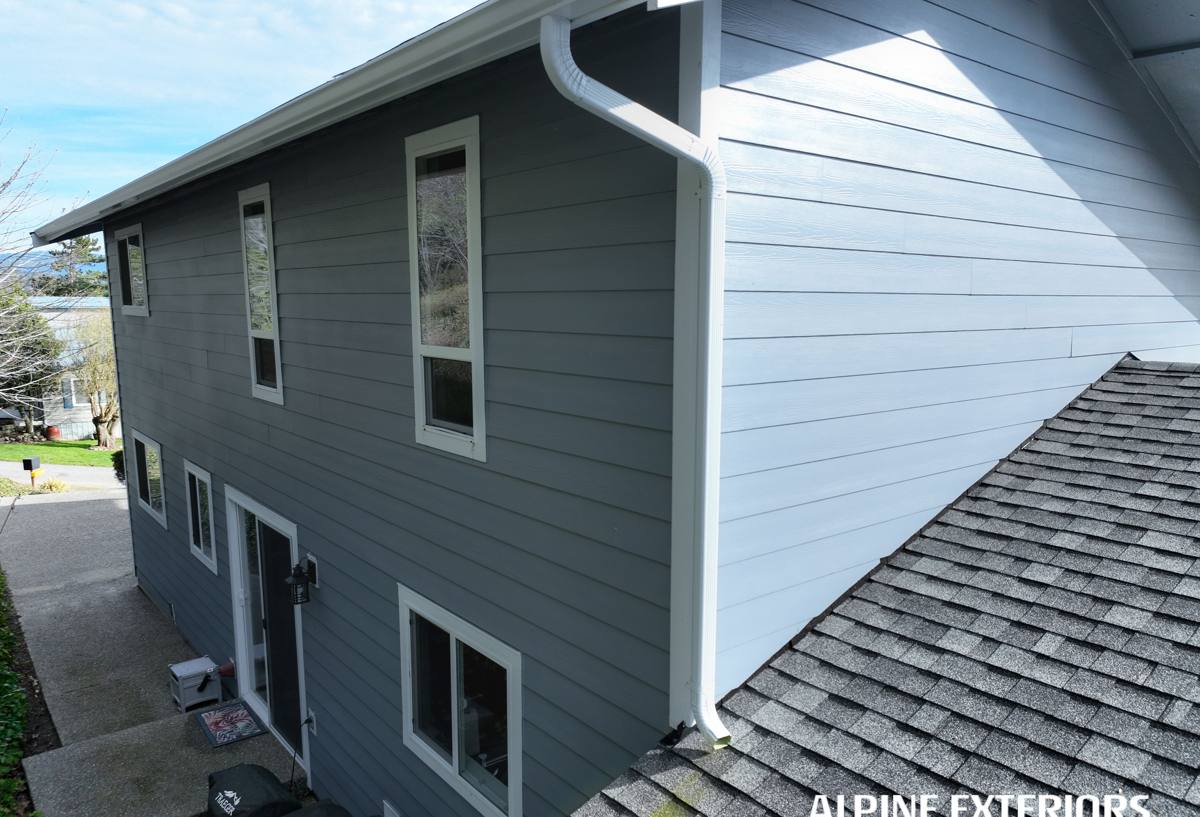
Signs Your Edgemoor Home Needs Roof Repair
Most roof problems give some warning before they turn into an active leak. Catching them early is almost always cheaper and less disruptive than waiting.
- Granules collecting in gutters or at the base of downspouts
- Shingles that look cupped, curled, or cracked, especially on south- and west-facing slopes
- Dark streaking or thick moss patches, particularly on shaded sections
- Rust stains or streaking below metal flashing or vent boots
- Soft spots or slight sagging when walked on (report this to your contractor, don't investigate it yourself)
- Ceiling stains, especially ones that only appear during wind-driven storms
- Daylight visible through the roof deck from inside the attic
- Flashing that's separated, bent, or missing sealant around chimneys, skylights, or vent pipes
What an Honest Roof Repair Actually Involves
A roof repair done right is a diagnostic job first and a construction job second. Skipping the diagnosis is how a homeowner ends up paying for the same leak twice.
Finding the Real Source of the Leak
Water rarely enters a roof at the same spot where it shows up on the ceiling below. It can travel along rafters or sheathing for several feet before dripping. A proper repair starts with tracing the path back to the actual entry point, usually by inspecting the attic side of the roof deck and cross-referencing it with the exterior. Patching the visible stain's location without doing this is one of the most common reasons repairs don't hold.
Flashing, Valleys, and Penetrations Come First
The vast majority of leaks we're called out for don't come from the shingle field itself — they come from the places where the roof plane is interrupted: valleys, chimneys, skylights, plumbing vents, and roof-to-wall transitions. These are the areas most vulnerable to wind-driven rain, and they're the first thing a competent repair addresses, even if the shingles nearby look fine.
Matching Materials the Right Way
Shingles fade and weather over time, so a patch using brand-new material will stand out visually for a while — that's normal and not something to worry about cosmetically. What matters more is that the replacement shingles, underlayment, and flashing are compatible in profile and thickness with what's already on the roof, and that fasteners are placed correctly for wind exposure. Mismatched or improperly fastened repair material is a common source of repeat leaks in coastal wind conditions.
Repair or Replace? The Factors That Actually Matter
Not every roof problem in Edgemoor calls for a full replacement, and not every leak can be permanently solved with a patch. These are the factors we actually weigh when giving an honest recommendation:
| Factor | Favors Repair | Favors Replacement |
|---|---|---|
| Age of roof | Under 15 years, or newer material | Nearing or past the material's expected service life |
| Extent of damage | Isolated to one section or penetration | Spread across multiple slopes |
| Underlayment condition | Still intact and dry | Saturated, deteriorated, or failing |
| History of past repairs | First or second repair on this roof | Repeated patches in the same area |
| Decking condition | Solid, no soft spots | Soft, rotted, or delaminated sheathing |
| Moss/algae staining | Surface-level, recently treated | Long-term growth with visible lifting of shingles |
We'll walk you through where your roof falls on each of these before recommending anything. If a repair is the honest answer, that's what we'll tell you.
How We Handle a Roof Repair Call in Edgemoor
Inspection and Honest Scope
We inspect both the exterior roof surface and, where accessible, the attic side, since that's often where the real story is. You'll get a plain explanation of what's actually wrong, what's causing it, and what it will take to fix — not a sales pitch for a replacement you don't need.
The Repair Itself
Once we've identified the cause, we address it at the source: replacing failed flashing, re-sealing penetrations correctly, swapping out damaged shingles or sheathing, and re-securing anything the salt air has loosened. We use fasteners and flashing details suited to wind-driven rain exposure, not the minimum required to close up the hole.
Cleanup and Follow-Up
We clear debris and old material from the site and gutters before we leave — leftover granules and shingle scraps left in gutters just create a new drainage problem. If the repair turns up something you should keep an eye on (an aging section nearby, for example), we'll tell you directly rather than let you find out the hard way later.
Moss, Algae, and Preventing the Next Leak
If moss played a role in the damage we're repairing, treating it is part of doing the job right, not an upsell. That typically means removing existing growth without damaging the shingle surface underneath, and addressing the conditions that let it take hold in the first place, such as overhanging branches or debris that traps moisture. In a climate with this much shaded, damp weather, moss will return eventually on north-facing slopes no matter what — the goal is stretching out the time between treatments and keeping it from causing structural damage in the meantime.
- Keep gutters and valleys clear of leaves and needles, especially heading into fall
- Trim back branches that shade roof sections and keep them from drying out between storms
- Have moss treated before it visibly lifts shingle edges, not after
- Walk your attic (or have it checked) after any major wind-driven storm
- Address small flashing or sealant issues promptly rather than waiting for a leak
Why a Crew That Already Works Edgemoor Matters
Roofing crews who mostly work inland tend to under-detail flashing and fastening for wind-driven coastal rain, because it's simply not what they deal with day to day. A crew that regularly works homes in and around Sudden Valley already knows which roof details tend to fail first in this specific exposure, which slopes hold onto moss the longest, and how quickly salt air can compromise fasteners that would last decades elsewhere in Whatcom County. That local pattern recognition shortens the diagnostic part of the job and reduces the odds of a callback.
It also means we're not guessing at access, staging, or the practical realities of working on homes in this area — we've already done it.
Get an Honest Look at Your Roof
If you're dealing with a stain, a soft spot, missing granules, or just a roof you haven't had checked in a while, we're happy to take a look and tell you plainly what we find. Reach out for a free, no-pressure estimate using the form below — we'll assess the actual condition of your roof and give you a straight answer on what it needs.