 Sudden Valley Siding
 Edgemoor's Siding Problem Isn't Like Everyone Else's
Edgemoor sits close enough to the water that salt-laden air is a daily fact of life, not an occasional nuisance. Add Whatcom County's long wet season, driving rain off the Sound, and a moss season that can stretch from fall through spring, and you have a climate that is genuinely hard on exterior siding. Homes here don't fail because owners neglected them. They fail because the wrong material, or the right material installed the wrong way, was never built to handle this specific combination of salt exposure and sustained moisture.
We work Edgemoor and the surrounding Sudden Valley area regularly, which means we're not guessing at what holds up here. We're looking at the same wall assemblies, the same north-facing shade lines that never fully dry out, and the same salt-air corrosion patterns year after year.
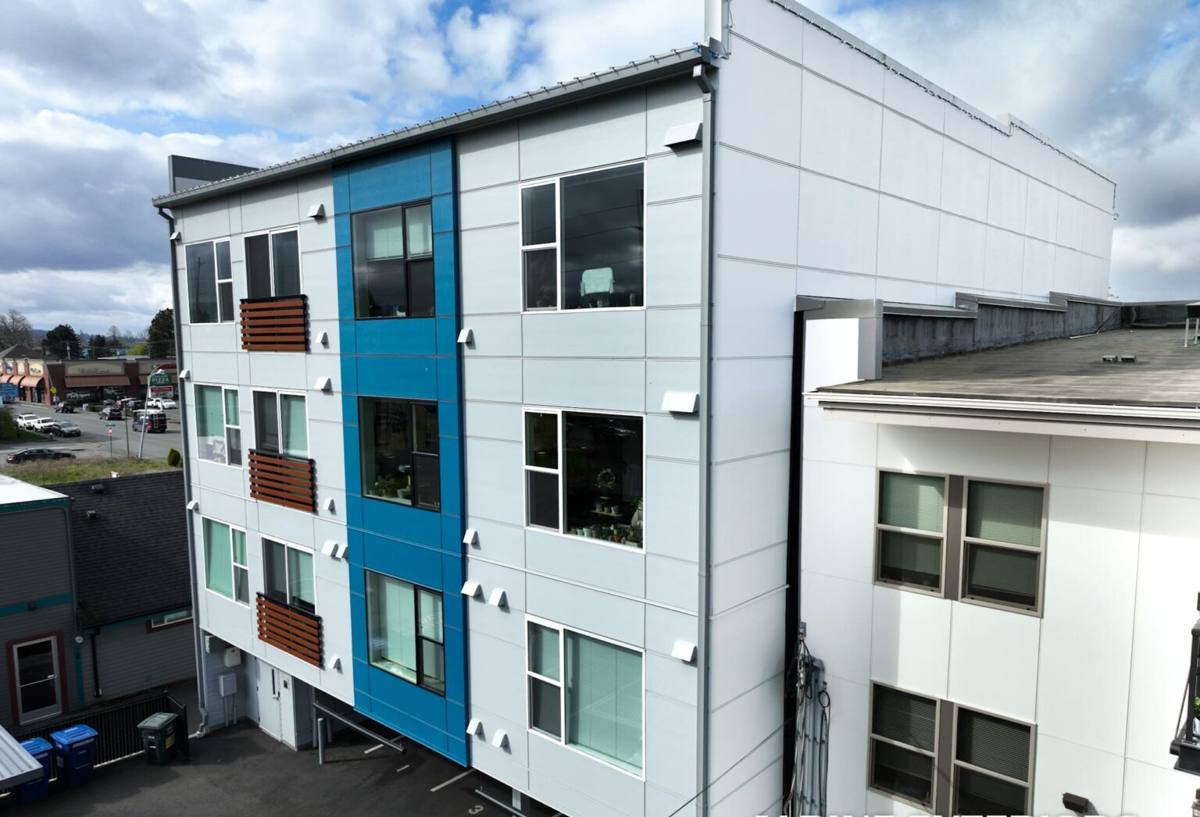
What Salt Air, Rain, and Moss Actually Do to Siding
Salt Air
Airborne salt accelerates corrosion on fasteners, flashing, and any metal trim. It also breaks down cheaper paint films faster than inland exposure would, leaving chalking, fading, and clear-coat failure well ahead of schedule. Siding material that isn't engineered for coastal-adjacent exposure often shows its age in half the time it would somewhere fifty miles inland.
Driving Rain
Wind-driven rain doesn't just wet the face of a wall — it pushes moisture sideways and upward, testing every seam, lap, and penetration. A siding system with weak water management at the joints will eventually let moisture behind the cladding, where it can sit against sheathing and framing far longer than anyone realizes, because the damage is invisible until it isn't.
Moss and Sustained Dampness
Shaded elevations and areas with poor airflow stay damp for extended stretches, which is exactly what moss and algae need to take hold. Beyond the cosmetic issue, moss holds moisture directly against the siding surface, which shortens the life of paint, primer, and in some cases the substrate underneath.
Signs an Edgemoor Home Needs Replacement, Not Repair
- Soft or spongy spots when you press on the siding, especially near the bottom courses or under windows
- Paint that keeps failing within a couple of years no matter how often it's redone
- Visible warping, cupping, or separation at the seams
- Persistent moss or algae growth that returns quickly after cleaning
- Rust staining below fasteners or trim
- Rising energy bills that suggest the wall assembly is no longer performing as insulation and a moisture barrier
- Visible rot at corner boards, window trim, or anywhere siding meets a roofline
If you're only seeing one or two of these, a repair may still make sense. If you're seeing several at once, especially soft sheathing or recurring rot, that's usually a sign the whole system — not just the surface — has been compromised.
What a Correct Siding Replacement Actually Involves
Siding replacement done right is not a cosmetic swap. It's a rebuild of the wall's entire moisture management system, and in a climate like Whatcom County's, cutting corners here shows up fast.
- Full tear-off and inspection. Old siding comes off completely so we can see the sheathing underneath. Hidden rot, soft spots, or prior water damage get addressed before anything new goes up — covering a problem instead of fixing it just delays the failure.
- Sheathing repair. Any compromised OSB or plywood is cut out and replaced. This is the step that gets skipped most often on cheap jobs, and it's the one that determines whether the new siding actually lasts.
- Weather-resistant barrier (WRB). A continuous, properly lapped water barrier goes over the sheathing. In a driving-rain environment, correct overlap direction and taped seams at every penetration matter as much as the siding itself.
- Flashing at every penetration. Windows, doors, hose bibs, vents, and any other wall penetration get proper flashing so water is directed out and down, never behind the barrier.
- Rainscreen or drainage gap where appropriate. Depending on the wall assembly and exposure, a ventilated gap between the WRB and the new siding lets any incidental moisture dry out instead of sitting against the material.
- Fastening to manufacturer spec. Corrosion-resistant fasteners, correct spacing, and correct penetration depth — under- or over-driven fasteners are one of the most common causes of early siding failure, and it's invisible from the ground once the job is done.
- Caulking and sealant at trim and joints, using products rated for the exposure, not whatever was cheapest.
Every one of these steps is more important in Edgemoor's climate than in a dry inland town, because the margin for error shrinks when a wall assembly is dealing with salt air and sustained rain exposure for months at a stretch.
Why We Install Only James Hardie Fiber Cement
We made the decision to install exclusively James Hardie fiber cement siding, and we don't install vinyl, LP SmartSide, cedar, primed spruce, Cemplank, or Allura. That's not a marketing position — it's a standard we hold because of what we've seen these products do, and not do, over time in exactly this kind of climate.
Vinyl is affordable and low-maintenance in the sense that it doesn't need painting, but it's a petroleum-based product that can warp under heat and become brittle in cold, and its seams and J-channels give wind-driven rain more opportunities to find a way behind the cladding. Wood-based and engineered-wood products like LP SmartSide, cedar, and primed spruce can look excellent when new, but they depend on flawless field caulking and repainting discipline to keep moisture out — and in a region with a long wet season and heavy moss pressure, that maintenance burden is real and ongoing. Other fiber cement brands compete reasonably on paper, but we've standardized on Hardie for consistency of factory finish, product engineering for regional climate zones, and warranty backing we're comfortable standing behind.
James Hardie fiber cement is non-combustible, doesn't rot, and its ColorPlus factory-applied finish is baked on and warrantied against fading and chipping — which matters directly here, since salt air and UV exposure are exactly what breaks down weaker finishes fastest. Hardie also makes climate-engineered HZ product lines specifically for wetter regions, which is a meaningful advantage in a place that sees this much sustained moisture.
Cost Factors for Edgemoor Siding Replacement
| Factor | Why It Matters Here |
|---|---|
| Sheathing condition | Salt-air and moisture exposure over decades often means hidden rot; repair scope isn't known until tear-off |
| Home size and wall complexity | More corners, penetrations, and stories mean more flashing and labor |
| Siding profile (lap, shingle, panel) | Detailed profiles and trim work take more time than plain lap siding |
| Existing moisture damage | Rot repair, structural framing work, and mold remediation add cost beyond the base siding scope |
| Access and site conditions | Steep grades, tight setbacks, and tree cover common in Sudden Valley properties can affect staging and labor time |
| Trim and accessory choices | Corner boards, window trim, and fascia treatments are priced separately from the field siding |
We won't quote a number without seeing the house, because the condition of what's underneath the old siding is the single biggest variable. A home with sound sheathing and simple geometry costs meaningfully less than one needing structural repair, and we'd rather find that out honestly during an on-site look than guess over the phone.
Why Hiring a Crew That Already Works Edgemoor Matters
A siding crew that mostly works dry inland areas can do fine technical work and still get the details wrong for a place like Edgemoor, simply because they're not used to designing for salt air and sustained wind-driven rain. Drainage gap decisions, fastener selection, and flashing detail all shift somewhat based on exposure, and a crew that's installed dozens of jobs in this specific microclimate has already worked through the judgment calls that matter — where extra flashing is worth it, which elevations need more attention to ventilation, how to sequence work around the wet season.
We're based in the Sudden Valley area and treat Edgemoor as part of our regular service footprint, not an occasional drive-out job. That matters for warranty follow-up too — if a question comes up two or five years after installation, we're not far away and we're not unfamiliar with the house.
Keeping New Siding Performing Long-Term
- Rinse off accumulated salt residue and grime during an annual exterior wash, especially on elevations facing prevailing wind and rain
- Keep gutters clear so water isn't sheeting down the wall face during heavy rain events
- Trim back vegetation and tree cover that keeps any wall section shaded and damp longer than the rest of the house
- Treat moss or algae growth promptly with an appropriate cleaner rather than letting it establish
- Inspect caulking at trim and penetrations every year or two and have gaps resealed before they become water paths
- Address any impact damage (branches, debris) quickly rather than letting exposed edges sit through a wet season
James Hardie's factory finish reduces the maintenance burden significantly compared to field-painted materials, but no siding is entirely maintenance-free in this climate. A little seasonal attention goes a long way toward getting the full service life out of the installation.
Get a Straight Answer on Your Edgemoor Home
If you're seeing early signs of trouble, or you're just tired of repainting and patching a system that keeps failing, it's worth having someone look at the whole wall assembly rather than just the surface. We'll walk the exterior, tell you honestly whether you're looking at repair or full replacement, and explain exactly what a correct job would involve for your specific house. There's no pressure and no cost to have that conversation — the form below gets you a free estimate from a crew that already knows this neighborhood's conditions.