 Sudden Valley Siding
 Window Replacement Built for Fairhaven's Weather, Not Just Any Weather
Fairhaven sits close enough to the water that salt-laden air is a daily fact of life, and it sits inside a stretch of Whatcom County that gets hammered by driving, wind-blown rain for months at a stretch. Add a moss season that can run from early fall through late spring, and you've got a climate that is genuinely tough on window systems — not in a dramatic, one-storm-and-it's-over way, but in a slow, cumulative way that shows up as soft trim, foggy glass, and drafts three or four years before a homeowner expects it. Window replacement here isn't just a cosmetic upgrade. Done right, it's a moisture-management job first and an appearance job second.
We work Fairhaven regularly, which matters more than it might sound like. A window that performs fine in a dry inland town can fail early here if it isn't flashed, sealed, and fitted with this specific mix of salt exposure and sideways rain in mind. This page covers what that actually looks like — what local homes need, what a correct installation involves, and how we run the job from estimate to final walkthrough.
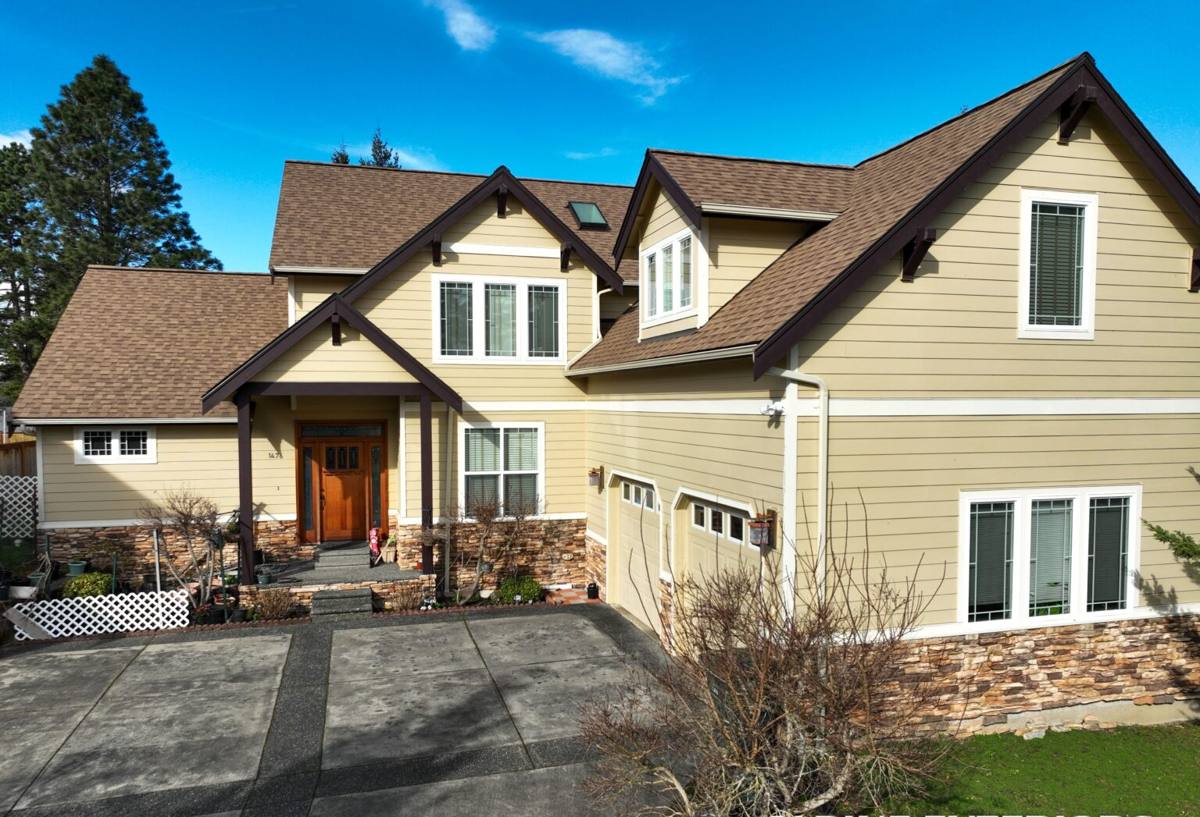
What Salt Air, Driving Rain, and Moss Season Do to Windows
Salt air
Airborne salt accelerates corrosion on anything metal — window hardware, screen frames, aluminum cladding, and especially older steel or poorly coated fasteners. It also breaks down some sealants and paint finishes faster than inland exposure would. On aluminum-clad or vinyl windows with lower-grade hardware, you'll often see pitting, stiff or seized locks, and chalky, faded finishes well before the glass itself has any problem.
Driving rain
Wind-driven rain doesn't just fall on a window, it pushes against it — sideways, and often upward at the bottom of the frame where wind eddies around a wall. This is why so many window failures in this area start as small stains at the bottom corners of a sill or the drywall just below a window, long before there's an obvious leak. If the flashing and sill pan weren't done correctly at install, driving rain will find that gap eventually, and it won't announce itself until there's already damage behind the wall.
Moss and sustained moisture
A long moss season means long stretches where wood trim, sills, and the wall assembly around a window stay damp instead of drying out between rain events. Moss and algae growth on sills and lower sashes isn't just unsightly — it holds moisture against the surface and, on wood-trimmed windows, accelerates rot at exactly the joints and corners that are hardest to inspect from the ground.
Signs a Fairhaven Home's Windows Need Attention
Most window problems here are gradual. Homeowners usually notice the symptom long before they connect it to the cause. Watch for:
- Fogging or a permanent haze between the panes of a double-pane window — the seal has failed and the gas fill is gone
- Soft or spongy wood when you press a fingertip into the sill or lower frame
- Visible daylight or a draft you can feel with your hand along the frame edge on a windy day
- Paint that's bubbling, peeling, or chronically failing on the exterior trim around the window, even after repainting
- Windows that are hard to open, close, or lock — swollen frames or corroded hardware
- Moss or dark green/black staining building up on the sill or lower sash faster than it does elsewhere on the house
- A noticeable jump in heating costs with no other explanation
- Interior staining or a musty smell near a window that shows up mainly during the wetter months
Any one of these on its own might just mean a repair. Two or three together, especially on a window that's original to an older home, usually means it's time to talk replacement.
What a Correct Window Replacement Job Actually Involves
The window unit itself gets most of the attention, but in this climate the installation details around it are what determine whether the job lasts fifteen years or three. A correct replacement includes:
Removal and opening inspection
We don't just pull the old sash and drop in a new one. Once the old window is out, we inspect the rough opening, sill, and surrounding framing for hidden rot or moisture damage — which, given the moss season and driving rain here, is common enough that we plan for it rather than being surprised by it.
Sill pan and flashing
A proper sill pan sheds any water that gets past the window itself back out to the exterior instead of letting it sit against the framing. Flashing tape integrates with the home's weather-resistive barrier so water is directed down and out, shingle-style, the same way it would flow naturally off a roof. This is the single most important step for a driving-rain climate, and it's also the step that's easiest to skip or rush — which is exactly why it matters who's doing the work.
Air sealing and insulation
The gap between the window frame and the rough opening gets sealed with low-expansion foam or backer rod and sealant, not just stuffed with fiberglass. This controls both drafts and moisture-laden air movement into the wall cavity.
Exterior sealant and trim
Exterior caulking needs to be a product rated for the temperature swings and UV exposure this area sees, applied at the joints that actually take water — not just a cosmetic bead around the visible trim.
Hardware and finish selection
Given the salt air, we steer customers toward corrosion-resistant hardware and finishes rather than the base-grade options, since standard hardware can start showing pitting and stiffness within a few years this close to the water.
Frame Material Comparison for a Salt-Air, High-Rain Climate
| Material | How it handles salt air | How it handles driving rain / moisture | Maintenance |
|---|---|---|---|
| Vinyl | Doesn't corrode; good baseline choice | Performs well when properly flashed; won't rot | Low — occasional cleaning |
| Fiberglass | Excellent — very stable, resists pitting and fading | Very good; dimensionally stable in wet-dry cycles | Low |
| Aluminum-clad wood | Cladding resists corrosion better than bare aluminum; hardware quality matters | Good if flashing and cladding seams are done correctly; wood core still needs protection | Moderate |
| Bare wood | Requires diligent paint/finish upkeep near salt air | Most vulnerable to rot if seals or paint fail | Highest — regular repainting/sealing |
| Bare aluminum | Prone to pitting and corrosion over time in salt air | Adequate if well flashed, but frame itself degrades faster here | Moderate, but shorter service life |
There's no single "right" material for every home — a lot depends on the home's existing trim, budget, and how it looks alongside the rest of the exterior. We'll walk through the honest trade-offs for your specific house rather than pushing one product line.
Glass and Efficiency Options Worth Understanding
Beyond the frame, the glass package affects comfort and condensation resistance, which matters in a climate with this much sustained damp air:
- Double-pane, low-E glass — the standard baseline for this region; good efficiency and condensation resistance for the cost
- Triple-pane — better insulation and sound dampening, worth considering on north- and west-facing walls that take the brunt of the weather, though it adds cost and weight
- Argon or krypton gas fill — improves insulating performance between panes; this is the seal that eventually fails and causes the fogging mentioned earlier, so installation quality matters as much as the glass spec
- Warm-edge spacers — reduce condensation risk at the glass edge, which is where fogging and moisture problems tend to start first
Our Process
- On-site assessment — we look at the actual windows, the wall condition around them, and how the house is oriented to prevailing wind and rain, not just a generic quote off square footage
- Honest scope and estimate — including flagging any sill, framing, or trim repair we expect to find once old windows come out, so there are no surprise change orders
- Product selection — matched to your budget and the exposure of each elevation of the house, since a shaded, sheltered wall and a wind-exposed wall don't always need the same spec
- Installation — removal, opening inspection, sill pan and flashing, air sealing, window setting, and exterior finish work, done in that order, every time
- Final walkthrough — we test operation, check seals, and review care basics with you before we consider the job done
Why It Matters to Hire a Crew That Already Works Fairhaven
Window installation instructions from a manufacturer are written for average conditions. Fairhaven's combination of salt exposure, wind-driven rain, and a long moss season isn't average, and it punishes shortcuts that would go unnoticed somewhere drier. A crew that installs windows here regularly already knows which elevations of a typical local home take the worst weather, where moisture tends to collect, and which hardware and sealant choices hold up instead of failing early. That's not something you can fully substitute with a generic installation checklist — it comes from doing the work in this specific climate, repeatedly, and paying attention to how earlier jobs age.
It also means we're not guessing about your home's exposure. Whether your windows face the water and take the brunt of salt air and wind, or they're more sheltered but still sit under trees that keep moisture and moss active longer, we've likely seen a comparable setup nearby and know what tends to go wrong if it isn't addressed at install.
Cost Factors to Understand Before You Budget
| Factor | Why it affects cost |
|---|---|
| Number and size of windows | Straightforward — more openings and larger units mean more material and labor |
| Frame material | Vinyl is typically the most budget-friendly baseline; fiberglass and clad-wood cost more upfront but often less over time |
| Hidden rot or framing repair | Common enough in this climate that we budget contingency into estimates rather than treating it as a surprise |
| Access and window height | Second-story or hard-to-access windows take more labor and staging |
| Glass package | Triple-pane, upgraded gas fill, and warm-edge spacers add cost but improve comfort and condensation resistance |
| Hardware and finish | Corrosion-resistant hardware for salt-air exposure costs a bit more but saves headaches within a few years |
We'll give you real numbers for your home rather than a rule-of-thumb range — every house and window count is different, and the honest answer usually depends on what we find once old windows are out.
Keeping New Windows Performing Once They're In
A correct install does most of the work, but a little seasonal attention keeps it that way:
- Rinse sills and lower sashes periodically to keep moss and algae from taking hold, especially on shaded elevations
- Check exterior caulking once a year for cracking or separation and have it touched up before it fails
- Operate locks and hardware through their full range a few times a year so salt-air corrosion doesn't seize them unnoticed
- Keep gutters and downspouts clear so overflow isn't dumping extra water onto window heads and trim
If you're noticing drafts, fogging, sticking sashes, or trim that just won't stay ahead of the moisture in your part of Fairhaven, we're happy to take a look and give you a straight answer about whether it's a repair or a replacement situation — no pressure either way. Reach out for a free estimate using the form below.