 Sudden Valley Siding
 Asphalt Shingle Roofing for Sehome Homes
Sehome sits close enough to Bellingham Bay that salt-laden air reaches the rooftops here, and close enough to the tree canopy that shade and moisture linger long after a storm passes. That combination is hard on asphalt shingles. Sudden Valley Siding Company installs and repairs asphalt shingle roofs for homes in this part of Whatcom County, and we build every roof around the three things that actually wear shingles out here: salt air, driving rain, and a moss season that runs longer than most homeowners expect.
Asphalt shingles remain the most practical roofing choice for the majority of Sehome homes — they're cost-effective, widely available in styles that match older and newer homes alike, and when installed correctly, they hold up well in this climate for decades. The key phrase is "installed correctly." A shingle roof that ignores local conditions will show problems in years, not decades.
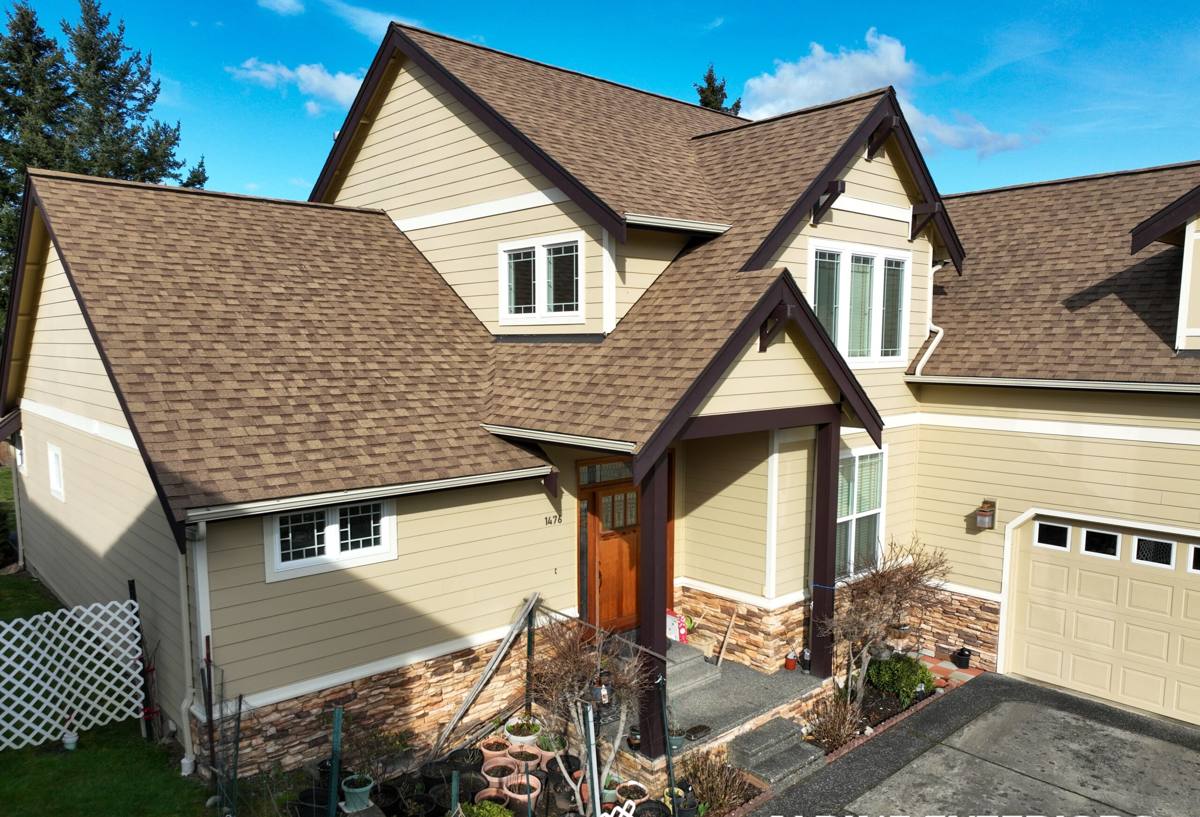
What Sehome's Climate Does to a Shingle Roof
Salt Air and Coastal Exposure
Homes closer to the water deal with airborne salt that settles on roofing surfaces and accelerates the breakdown of granules and sealant strips over time. It's a slower process than storm damage, but it's constant, and it shortens the effective service life of a shingle roof that wasn't specified with that exposure in mind.
Driving Rain
Whatcom County storms don't always come straight down. Wind-driven rain pushes water sideways and upward under shingle tabs, into ridge caps, and along flashing edges. A roof that's fine in a light vertical rain can still leak in a sideways one if the underlayment, flashing laps, and fastening pattern weren't built for wind-driven conditions.
Moss Season
Shade, moisture, and mild temperatures give moss a long growing window here — often most of the year on north-facing slopes and shaded sections of roof. Moss isn't just cosmetic. It holds moisture against the shingle surface, works into the granule layer, and can lift tabs enough to let water underneath. Left unmanaged for a few seasons, moss growth measurably shortens a roof's life.
What a Correct Asphalt Shingle Job Includes Here
A shingle roof built for this area isn't just "shingles on plywood." The details below are what separate a roof that performs for its full rated life from one that needs attention in five or six years.
- Ice and water shield at eaves and valleys — a self-adhering waterproof membrane under the first courses, where wind-driven rain and ice damming are most likely to force water backward under shingles.
- Synthetic underlayment across the full deck — a secondary water barrier that outperforms old felt paper in wet, humid conditions and doesn't degrade as quickly under Whatcom County's damp air.
- Algae-resistant (AR) shingles — shingles with copper-infused granules that resist the algae and moss growth common on shaded, north-facing, or coastal roofs.
- Zinc or copper strips near the ridge on moss-prone roofs — rain washing over these metals releases ions that inhibit moss and algae growth on the courses below, reducing how often the roof needs manual cleaning.
- Balanced ventilation — intake at the eaves and exhaust at the ridge, sized to the attic, so moisture doesn't condense under the deck and rot it from the inside out.
- Proper fastening pattern for wind exposure — nail placement and count matched to the shingle manufacturer's high-wind specification, not just the minimum standard pattern.
- Correctly lapped flashing at every wall intersection, chimney, skylight, and vent pipe, since flashing failure — not shingle failure — is the most common source of roof leaks.
Signs a Sehome Roof Needs Attention
Most shingle roof problems give warning signs well before a leak shows up inside the house. Catching them early is almost always cheaper than waiting.
| What You Notice | What It Usually Means |
|---|---|
| Dark streaks on north-facing slopes | Algae growth — cosmetic early on, but a precursor to moss if untreated |
| Green or thick moss patches | Moisture is being trapped against the shingle surface and granules are likely already compromised underneath |
| Granules collecting in gutters | Shingles are wearing down faster than expected — common near the end of a roof's service life or after storm impact |
| Curling or lifting shingle tabs | Sealant strips have failed, often from age, heat cycling, or moss holding the tab open |
| Soft or discolored ceiling spots | Active leak, usually traced to flashing or underlayment failure rather than the shingles themselves |
| Visible sagging deck sections | Moisture has reached the roof deck — needs prompt inspection before it spreads |
Our Process for Sehome Homes
Inspection First
We start with a roof walk or close visual inspection, checking shingle condition, flashing, ventilation, and the areas most exposed to moss and wind-driven rain — usually north and west-facing slopes and any section shaded by trees. We'll tell you honestly whether you need a full replacement, a repair, or just a moss treatment and maintenance plan.
Deck Assessment
Before any new shingles go down, we check the roof deck itself for soft spots, rot, or moisture damage — issues that are common on older Sehome homes where ventilation may not meet current standards. Replacing shingles over a compromised deck just hides the problem.
Installation
We install ice and water shield at vulnerable points, synthetic underlayment across the deck, algae-resistant shingles fastened to the manufacturer's wind-rated pattern, and correctly lapped flashing at every penetration and wall line. Ventilation gets balanced as part of the job, not treated as an afterthought.
Walkthrough and Cleanup
We walk the finished roof with you, cover care and moss-prevention basics specific to your home's sun exposure, and clean the site thoroughly before we leave.
Repair, Maintenance, or Full Replacement?
Not every roof issue in Sehome needs a full tear-off. We evaluate honestly based on age, damage extent, and deck condition.
- Spot repair makes sense for isolated flashing failures, a handful of damaged shingles, or moss that hasn't yet compromised the surface underneath.
- Moss treatment and maintenance fits roofs that are structurally sound but growing moss faster than the homeowner wants to manage — often paired with adding zinc strips to slow regrowth.
- Full replacement is the right call when a roof is past its rated life, has widespread granule loss, or shows deck damage from long-term moisture intrusion.
Roofing Material and Labor Cost Factors
| Factor | Why It Matters |
|---|---|
| Roof pitch and complexity | Steeper roofs and multiple valleys or dormers take more time and materials to flash correctly |
| Shingle tier | Standard three-tab, architectural, and premium algae-resistant lines vary in cost and expected lifespan |
| Deck condition | Rot or soft spots discovered during tear-off add repair work before new shingles go on |
| Ventilation upgrades | Older homes often need added intake or exhaust vents to meet current airflow standards |
| Tree cover and access | Heavy shade and difficult access can add time for cleanup and equipment staging |
We provide a written, itemized estimate before any work begins, so you know exactly what you're paying for and why.
Maintenance That Actually Extends Roof Life
A well-installed shingle roof still needs periodic attention in this climate. A simple annual routine goes a long way:
- Clear gutters and downspouts so water isn't backing up under the eaves.
- Trim overhanging branches to reduce shade and debris buildup on the roof surface.
- Inspect (or have us inspect) shaded and north-facing slopes for early moss or algae growth.
- Address small moss patches early with proper roof-safe treatment rather than pressure washing, which can strip granules and damage sealant strips.
- Check attic ventilation and insulation periodically, since poor airflow accelerates both moisture damage and shingle aging from underneath.
Why Hire a Crew That Already Works in Sehome
Roofing crews that mainly work drier inland climates sometimes underbuild for what Whatcom County actually throws at a roof — skipping ice and water shield in areas that don't strictly require it by code, under-ventilating attics, or specifying standard shingles where algae-resistant ones would serve the home far better. We work this area regularly, so we specify materials and details based on what actually holds up on Sehome roofs, not a generic regional average.
We're also straightforward about what's necessary and what's optional. If a section of your roof just needs moss treatment and better airflow rather than a full replacement, we'll say so. Our reputation here depends on getting called back for the next job, not on upselling the current one.
Get a Local, No-Pressure Estimate
If your Sehome roof is showing moss, granule loss, or you're just due for an honest inspection, we're happy to take a look. Use the form below to request a free estimate — no pressure, no obligation, just a clear assessment of what your roof actually needs.