 Sudden Valley Siding
 New-Construction Windows in Ferndale: Built for the Weather You Actually Get
New-construction window installation is a different job from swapping out an old window in an existing wall. There's no old frame to reference, no existing flashing to inspect and improve on — you're building the window opening's moisture management system from scratch, and whatever gets built in behind the trim is what that house lives with for the next 20-plus years. In Ferndale and the rest of Whatcom County, that first install has to account for salt-laden air off the water, long stretches of driving, wind-driven rain, and a moss season that runs longer here than in drier parts of the state. Get the details right during framing and window-in, and the house stays dry and low-maintenance for decades. Get them wrong, and the problems don't show up until the drywall's painted and the siding's up — which is exactly when they're expensive to fix.
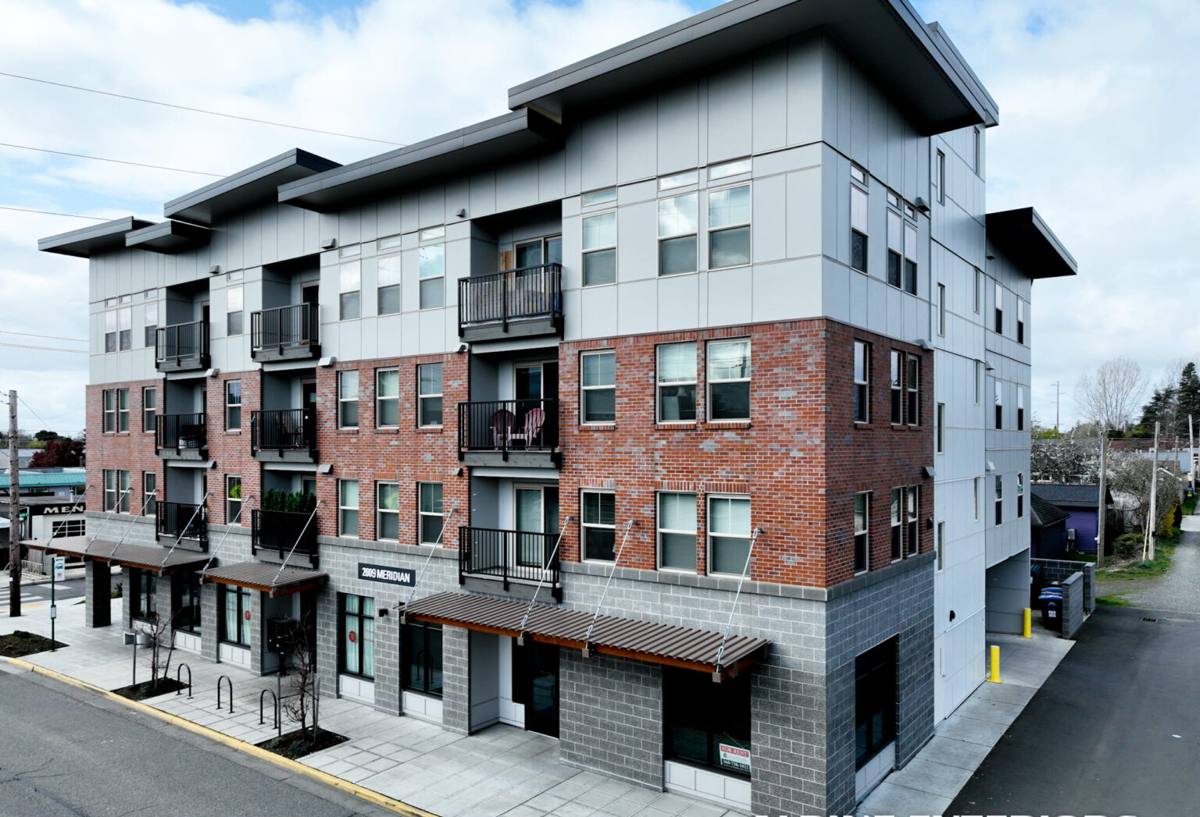
Why New-Construction Installs Deserve More Attention, Not Less
On a lot of job sites, window installation gets treated as a quick task squeezed between framing inspection and siding delivery. That's backwards. A new-construction window opening is the one point in the build where the crew has full access to the sheathing, the weather-resistive barrier, and the rough opening before anything covers it up. Every flashing layer, every sealant joint, and every fastener has to go in correctly the first time, because once siding and trim close it in, nobody's checking that work again unless there's already a leak.
This matters more here than in a lot of the country. Whatcom County's marine climate means homes take on moisture from multiple directions — wind-driven rain hitting walls at an angle, damp air that never fully dries out framing between storms, and salt content in the air near the water that speeds up corrosion on anything metal that isn't properly protected. A new-construction window package built for this region has to assume the wall will get wet and be designed so that water sheds back out, not into the framing.
What Ferndale's Climate Actually Does to Windows Over Time
Salt Air
Homes closer to the water pick up airborne salt that settles on glass, hardware, and exposed fasteners. Over years, that accelerates corrosion on lower-grade hinges, cranks, and screws, and it dulls unprotected aluminum finishes faster than inland installations. It's not usually dramatic — it's a slow wear pattern that shows up as stiff hardware and pitted metal a decade sooner than you'd see in a drier, salt-free environment.
Driving Rain
Whatcom County gets rain that doesn't just fall — it's pushed sideways by wind off the water and the lowland weather patterns that move through this area. Wind-driven rain finds any gap in flashing or sealant and pushes water horizontally and even slightly upward into a wall assembly. A window detail that would hold up fine in a calm-rain climate can fail here if the flashing laps aren't sequenced correctly.
Moss Season
Shaded, north-facing walls and anything under tree cover stay damp for extended stretches, and moss and algae take hold on sills, trim, and low-slope surfaces near windows. Beyond the cosmetic issue, moss holds moisture against wood trim and caulk lines far longer than a dry surface would, which shortens the life of whatever's underneath it if drainage wasn't planned for.
What a Correct New-Construction Window Install Involves
There's a specific order of operations that keeps water moving out and down, never in. Skipping steps or doing them out of sequence is the single biggest cause of hidden window leaks in new builds.
- Rough opening prep — squared, correctly sized, and free of debris before anything else happens
- Sill pan flashing — a sloped, sealed pan at the bottom of the opening so any water that gets past the window has somewhere to go besides the framing
- Weather-resistive barrier integration — the WRB is cut and flashed so water sheds over each layer like shingles, never trapped behind a lap
- Window unit set — shimmed level, plumb, and square, and fastened per the manufacturer's schedule (not "close enough")
- Flange or block-frame flashing — side and head flashing lapped correctly over the WRB, sealed at the right points and left open where it needs to drain
- Sealant at the right joints only — some joints get sealed, some are intentionally left as drainage paths; sealing everything solid can trap water instead of releasing it
- Interior air sealing — a separate step from exterior weatherproofing, done to control drafts and condensation without interfering with the drainage plane
Every one of those steps has to happen in the right order. A window that looks perfectly installed from the outside can still be set up to fail if the sill pan was skipped or the WRB laps were reversed.
Choosing the Right Window for This Climate
Frame material and glass package both affect how a window holds up to salt air, driving rain, and near-constant damp. There's no single "best" option for every house — it depends on budget, exposure, and how the home is oriented — but here's how the common choices compare for this specific climate.
| Frame Material | Moisture & Salt Air Performance | Maintenance | General Cost Tier |
|---|---|---|---|
| Vinyl | Good — won't corrode or rot; seams are the main watch point | Low | Lower |
| Fiberglass | Very good — dimensionally stable, resists moisture and salt exposure well | Low | Mid to upper |
| Aluminum-clad wood | Good exterior protection, but interior wood core needs the assembly to stay properly sealed | Moderate | Upper |
| Bare aluminum | Prone to pitting and corrosion faster in salt-air exposure unless well-finished | Higher | Lower to mid |
For glass, a low-E coating with an argon-filled dual-pane unit is the practical standard for this region — it manages condensation and heat loss reasonably well without the cost jump of triple-pane, which is usually not necessary at this latitude and climate unless a specific room has unusual exposure. On elevations that catch the brunt of driving rain — typically west- and southwest-facing walls — it's worth discussing upgraded weatherstripping and a heavier-duty locking hardware set, since those openings work harder over the life of the window.
Our Process for New-Construction Window Installs
- Rough opening review — we check sizing, square, and framing condition before scheduling window-in, and flag anything that needs a builder fix first
- Flashing and WRB integration — sill pan, jamb flashing, and WRB laps installed in the correct sequence, photographed at each stage for the record
- Window setting — units shimmed, leveled, and fastened to manufacturer spec, checked for square and smooth operation before final fastening
- Exterior sealant and trim prep — sealant applied only where it should be, drainage paths left open, ready for siding and trim to close in
- Interior air seal and inspection — final check for operation, seal, and finish before the crew signs off
We build to this sequence on every new-construction window job, whether it's one opening on an addition or a full house of windows on new-build framing.
Mistakes We See on Rushed New-Construction Installs
Most of the window problems we get called to look at in this region trace back to a handful of shortcuts taken during original construction, not to the windows themselves:
- Sill pans skipped or improvised with sealant instead of a proper sloped pan
- WRB laps installed backwards, directing water behind the barrier instead of over it
- Sealant applied at every joint, including ones meant to drain — trapping water in the wall instead of releasing it
- Fasteners driven at the wrong spacing or angle, leaving gaps at the nailing fin
- Windows installed slightly out of square, which strains hardware and weatherstripping years before it should fail
None of these are visible once trim and siding go on. That's exactly why the install step matters more than almost any other part of the build.
Simple Upkeep That Extends Window Life Here
A correctly installed window still benefits from basic seasonal attention in this climate, especially given the moss season and salt exposure:
- Rinse salt residue off glass and frames periodically if the home is close to the water
- Clear moss and debris from sills and tracks before it holds moisture against the frame
- Check exterior sealant lines once a year for cracking or separation, particularly on west- and southwest-facing walls
- Exercise hardware (locks, cranks) periodically so salt-air stiffness doesn't go unnoticed
- Keep gutters and downspouts clear so roof runoff isn't sheeting down onto window heads
Why a Crew That Already Works Ferndale Makes a Difference
A contractor who installs windows across different climates tends to install them the same way everywhere. A crew that works Whatcom County regularly knows which elevations on a given lot catch the worst of the driving rain, how long moss season actually runs on shaded walls in this area, and where salt exposure is enough to change a hardware or finish recommendation. That local pattern recognition doesn't replace good installation practice — it adds judgment on top of it, on details like where to spend a little more on hardware, which walls need extra attention at the flashing, and how a specific lot's exposure should shape the window choice.
If you're planning new construction or an addition in Ferndale or elsewhere in Sudden Valley's service area, we're glad to walk the site, look at the framing plans, and put together a straightforward, no-pressure estimate for the window package that fits the home and the budget. There's a form below to get that conversation started.