 Sudden Valley Siding
 Board & Batten in Geneva: A Style That Has to Earn Its Keep
Geneva sits close enough to Lake Whatcom and the surrounding tree cover that homes here deal with a different mix of weather stress than siding on a dry, open lot. Board and batten has become a popular choice in this pocket of Sudden Valley because of its clean vertical lines and the way it reads against wooded lots and lake-adjacent architecture — it looks sharp on a cabin-style A-frame and just as good on a modern build. But board and batten is also one of the least forgiving siding profiles when it's installed poorly, because every batten seam is a place water can find its way behind the wall if the details aren't right. In a climate that stays damp for much of the year, that's not a small detail — it's the whole job.
This page is about doing board and batten correctly for a Geneva home, not about the style in general. If you already know you want the look, what follows is what it takes to make it hold up here specifically.
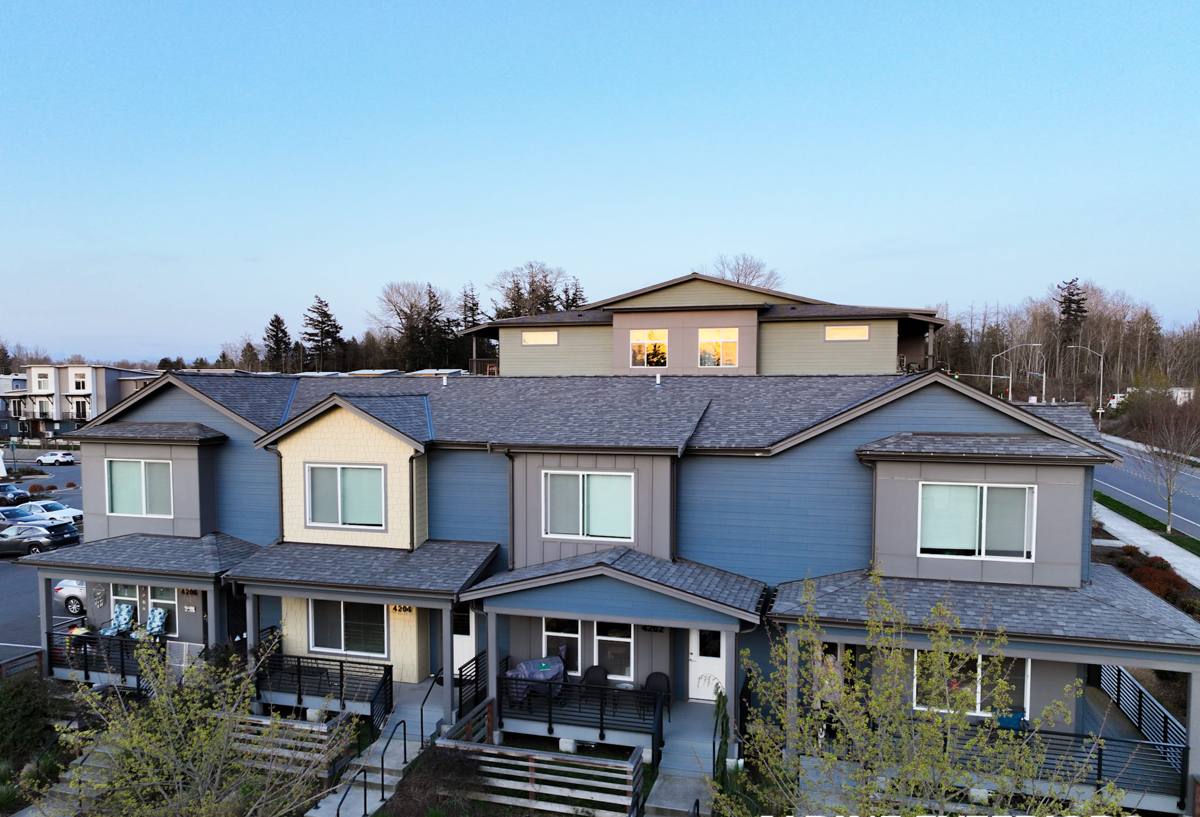
What Whatcom County Weather Actually Does to Vertical Siding
Sudden Valley and the Geneva area get a combination of conditions that most siding installers elsewhere never have to plan around at the same time:
- Salt-laden air moving inland off the Puget Sound corridor accelerates corrosion on fasteners, flashing, and any metal trim that isn't rated for coastal exposure.
- Driving, wind-pushed rain off the surrounding hills hits walls at an angle instead of falling straight down, which pushes water sideways into seams that a calmer climate would never test.
- A long moss and algae season caused by shaded, tree-covered lots and extended damp stretches keeps siding surfaces wet longer between drying periods, which matters most on horizontal battens and window sills where debris and moisture collect.
None of that is unique to board and batten, but the profile makes the consequences more visible faster. A lap siding installation with a minor caulking gap might go unnoticed for years. A board and batten wall with the same gap channels water straight down a batten seam, and if that seam sits over a butt joint or a poorly flashed window head, moisture gets behind the panel long before anyone sees a stain on the outside.
Why We Only Build Board & Batten With James Hardie Fiber Cement
We don't install board and batten in vinyl, engineered wood (LP SmartSide), or primed cedar or spruce, and Geneva's climate is a big part of why. Vinyl board and batten expands and contracts more than fiber cement in temperature swings, which stresses the fastening pattern over time and can telegraph waviness along long, unshaded runs. Engineered wood and solid wood battens depend on an intact factory or field coating to keep moisture out of the substrate — the moment that coating is compromised by a scratch, a poorly sealed cut end, or years of moss holding damp against the surface, the wood underneath is exposed to exactly the kind of sustained moisture this area produces.
James Hardie fiber cement doesn't have that failure mode. It's a cement-based product, not a wood-based one, so it doesn't swell, rot, or feed the organic growth that wood substrates can host in a shaded, damp environment. It's also non-combustible, which matters increasingly for insurance underwriting in Washington. Hardie's ColorPlus factory finish is baked on under controlled conditions rather than applied on site, so the color layer that protects the panel is more consistent and more resistant to the fading and chalking that field-applied paint or stain goes through in a wet climate. That's the whole reason we standardized on it — not brand loyalty, but that it's the one material we've found that holds up to this specific weather without asking the homeowner to maintain it constantly.
What a Correct Board & Batten System Actually Involves
Board and batten is not just siding — it's a layered system, and every layer has to work for the profile to shed water the way it's supposed to. A correct build for a Geneva home includes:
Weather-Resistive Barrier and Drainage Plane
A code-compliant water-resistive barrier goes on the sheathing first, and behind board and batten specifically, we build in a drainage gap so any moisture that does get past the surface has somewhere to go instead of sitting against the wall.
Flashing at Every Penetration
Windows, doors, hose bibs, light fixtures, and vents all need properly lapped flashing — installed so each layer sheds onto the one below it, never the reverse. This is the single most common thing we find missing or done wrong when we look at a failing board and batten wall.
Panel and Batten Layout
Vertical panels go up first, seams backed and sealed, then the battens are fastened over the seams at a spacing that matches the home's proportions and Hardie's engineering specifications for fastener pattern and edge distance.
Fasteners and Trim Rated for Salt Exposure
Given the salt air moving through this corridor, we use fasteners and trim components rated for coastal or corrosive exposure rather than standard-grade hardware that can streak or fail early.
James Hardie Board & Batten Options for This Look
There are two main ways to build the board and batten look with James Hardie products, and the right one depends on the home's design and budget:
| System | How It's Built | Best Fit |
|---|---|---|
| HardiePanel + Batten Trim | Large vertical fiber cement panels with separate batten strips fastened over the seams | Full-wall or full-home board and batten, larger surfaces, budget-conscious builds |
| Hardie Artisan Board & Batten | A premium, dimensionally thicker panel and batten system with deeper shadow lines | Accent walls, gables, or homes where a more custom, high-end look is the goal |
Both come through James Hardie's HZ5 product engineering, which is formulated for the wetter, more variable climate zones on the west side of the Cascades — including Whatcom County — rather than the drier HZ10 formulation built for the interior. That distinction matters more than most homeowners realize, and it's one of the first things we check when we're pricing a Geneva job: the wrong HZ formulation for this climate zone shortens the product's real-world service life even though it's technically the same siding.
Color and ColorPlus Considerations for Wooded, Shaded Lots
A lot of Geneva properties sit under partial tree cover, which changes how a finish performs compared to an open, sun-exposed lot. Darker ColorPlus colors on a shaded wall will hold onto moisture and any settled moss spores slightly longer between dry-out periods than the same color on a sun-exposed elevation. That's not a reason to avoid dark colors — Hardie's factory finish is built to handle it — but it does mean gutter placement, roof overhangs, and periodic rinsing matter more on a heavily treed lot than they would on an open one. We factor tree cover and sun exposure into the color and detailing conversation during the estimate, not as an afterthought.
Our Process for a Geneva Board & Batten Project
- On-site assessment: we walk the home, check the existing wall assembly, note drainage patterns, tree cover, and any past moisture damage before quoting anything.
- System design: we lay out panel and batten spacing to match the home's proportions and confirm HZ5 product selection and ColorPlus color.
- Tear-off and inspection: old siding comes off and we inspect the sheathing underneath for rot or damage before anything new goes on — this step gets skipped more often than homeowners realize, and it's where hidden problems get found or missed.
- Weather barrier and flashing: water-resistive barrier, drainage gap, and flashing at every penetration, installed to manufacturer and code specification.
- Panel and batten installation: fastened per Hardie's engineering spec, with corrosion-rated hardware throughout.
- Final walkthrough: we go over the finished wall with the homeowner, including what routine maintenance looks like for this specific home's exposure.
Living With Board & Batten Through Sudden Valley's Moss Season
James Hardie fiber cement doesn't rot or feed moss the way a wood substrate can, but any exterior surface in this climate will collect surface growth over time if it's shaded and rarely rinsed. A little seasonal attention keeps a correctly installed wall looking the way it did on day one:
- Rinse shaded elevations with a garden hose once or twice a year — pressure washing isn't necessary and can be harder on caulked joints than it's worth.
- Keep gutters clear so overflow doesn't run down the wall face and concentrate moisture on specific battens.
- Trim back vegetation that keeps a wall section shaded and damp longer than the rest of the house.
- Have caulking at trim and penetrations checked every few years — it's the first thing to age, and it's cheap to redo before it fails.
- Watch for any staining directly below a window or fixture, which is often the earliest visible sign of a flashing issue rather than a cosmetic one.
What Drives Cost on a Board & Batten Project
| Factor | Why It Matters Here |
|---|---|
| Tear-off condition | Sheathing repair needs found during tear-off on older Geneva homes can add scope |
| Panel system chosen | Artisan runs higher than standard HardiePanel + batten trim |
| Wall complexity | Gables, dormers, and multiple roof lines increase flashing and cutting time |
| Access and site conditions | Wooded or sloped lots common in Sudden Valley can affect staging and scaffolding |
| Color and trim selection | ColorPlus custom colors and Artisan trim details price above standard options |
We give an honest, itemized number after the on-site assessment rather than a phone estimate — too much of what drives cost on a board and batten job is only visible once the old siding comes off.
Why a Crew That Already Works Geneva Matters
Board and batten forgives almost nothing when the underlying details are wrong, and a crew that hasn't worked this specific stretch of Whatcom County doesn't always know to plan for the driving rain angle off the hills, the salt air moving through the corridor, or how much shade a typical Geneva lot holds onto through the year. Those aren't things you learn from a spec sheet — they're things you learn from doing the work here, on homes with the same exposure. That's the difference between a wall that looks right for a season and one that's still performing correctly a decade from now.
If you're considering board and batten for a Geneva home, we're happy to walk the property, look at what's there now, and give you a straight, no-pressure estimate for doing it right the first time — just fill out the form below.