 Sudden Valley Siding
 Windows Built for the Geneva Microclimate
Homes in the Geneva area near Sudden Valley sit right in the path of everything Whatcom County's weather can throw at a window: wind-driven rain off the water, salt-laden air drifting in from the Sound on top of it, and a wet season that stretches long enough to grow moss on nearly any north-facing surface that stays damp. Windows here don't fail because of one bad storm. They fail slowly, from years of moisture finding its way into places it was never supposed to be.
That's the lens we bring to every custom window job in this neighborhood. It's not just about picking a style and a color. It's about specifying glazing, frame material, and flashing details that actually hold up to this specific stretch of Western Washington, year after year.
What driving rain and a long moss season do to windows over time
Wind-driven rain doesn't fall straight down — it gets pushed sideways into wall assemblies and window openings, which is exactly the condition standard flashing details are supposed to handle and exactly the condition that exposes a sloppy install. Add a moss season that can run from fall through spring, and you get organic growth holding moisture against sills, trim, and cladding for weeks at a stretch. Over several seasons that moisture cycle is what rots wood sills, corrodes fasteners, and breaks down old sealant long before the glass itself gives out.
Salt air and its effect on frames and hardware
Even set back from open water, this part of Whatcom County gets enough salt-influenced air that untreated or lower-grade metal hardware — hinges, cranks, locking mechanisms — corrodes faster than it would inland. It's a slow process, so it's easy to miss until a window won't latch cleanly or a crank handle seizes up. Frame and hardware choices that ignore this tend to show their age within a decade instead of two or three.
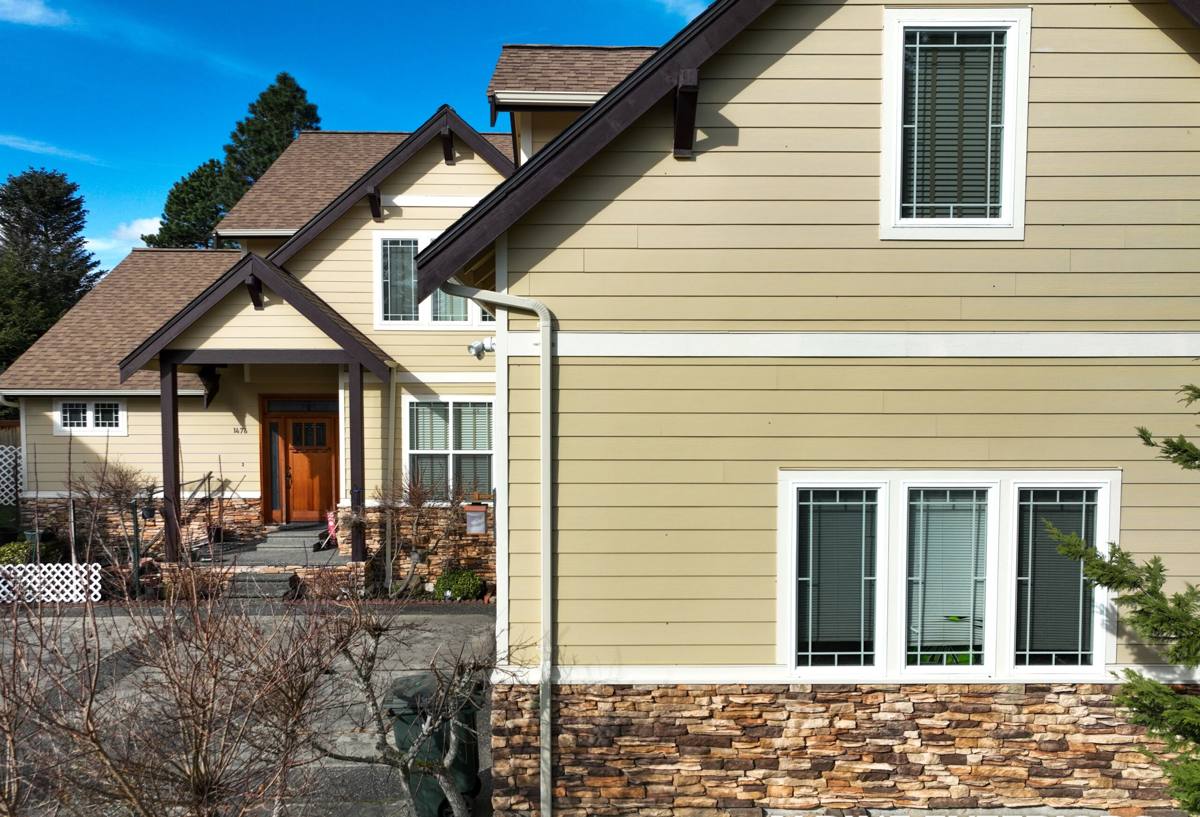
Signs Your Geneva Home's Windows Are Due for Replacement
Most homeowners don't call about windows until something is obviously wrong, but the early signs are usually visible well before a window fails outright. Worth checking each fall before the rain really sets in:
- Visible gaps, soft spots, or paint failure on wood sills and trim around the window
- Moss or dark staining building up on the sill or bottom corners of the frame
- Fogging or a permanent haze between panes, which means the seal on a double-pane unit has failed
- Drafts you can feel with a hand near the frame on a windy day
- Windows that are hard to open, close, or lock — often a sign the frame has swelled or shifted
- Condensation forming on the inside of the glass regularly through the wet months
- Noticeably higher heating bills without any other explanation
Any one of these on its own isn't an emergency. Two or three together on the same window, especially on a wall that takes direct wind and rain, usually means it's time to plan a replacement before the surrounding wall framing gets involved.
What a Correct Window Installation Actually Involves
The window unit itself is only part of the job. In a climate like this, the installation details around it matter as much as the product.
Flashing and water management
Proper installation means the window opening is flashed so that any water that gets past the exterior cladding is directed back out, not into the wall cavity. That includes sill pan flashing, correctly lapped house wrap, and sealant placed only where it's supposed to trap water out — not where it traps it in. This is the single most common place we find shortcuts on older installs, and it's the reason a window can look fine from the outside while the framing behind it is quietly rotting.
Choosing the right frame material for this climate
Not every frame material handles sustained moisture, salt air, and moss exposure the same way. We walk homeowners through the honest trade-offs rather than pushing one product for every home.
| Frame Material | Moisture & Salt-Air Performance | Maintenance | Typical Lifespan |
|---|---|---|---|
| Vinyl | Good — won't rot or corrode, handles damp exposure well | Low — occasional cleaning | 20-30 years |
| Fiberglass | Excellent — very stable in wet, temperature-swinging conditions | Low | 30-40+ years |
| Wood-clad | Good on the exterior, but the wood core is vulnerable if the cladding or seals fail | Higher — needs seal checks and occasional refinishing | 20-30 years with upkeep |
| Aluminum | Fair — durable but prone to condensation and corrosion near salt air unless thermally broken | Moderate | 20-30 years |
We tend to steer Geneva-area homeowners toward vinyl or fiberglass for most applications, simply because they hold up to sustained damp exposure and salt air with the least long-term maintenance. Wood-clad windows can still be the right call for a specific architectural look, but we'll be upfront that they ask more of the homeowner over time — regular sealant and finish checks aren't optional in this climate, they're part of owning the product.
Glazing that matches the exposure
Dual-pane, low-E glazing is the practical baseline for this region — it manages both heat loss and condensation better than older single or basic dual-pane units. For walls that take the brunt of the weather, we'll also talk through upgraded glazing packages and argon fill, and explain what each upgrade actually buys you in comfort and energy performance rather than selling it as a blanket must-have.
Our Process, Start to Finish
- On-site assessment. We look at each window opening individually — not just the glass, but the sill, trim, flashing, and any signs of moisture damage in the surrounding wall.
- Honest recommendation. We tell you which windows genuinely need replacing now, which can wait, and why — no upselling a full-house job when a few openings are the actual problem.
- Written estimate. Material, sizing, glazing options, and a clear cost breakdown before any work is scheduled.
- Removal and repair. Old units come out carefully so we can check the framing underneath. Any rot or water damage found gets repaired properly before a new window goes in — not covered over.
- Installation with full flashing detail. Sill pans, house wrap integration, and sealant placed to shed water, not trap it.
- Final check and cleanup. Every window is tested for smooth operation and a tight seal before we consider the job done, and the site is cleaned up when we leave.
Cost Factors for Custom Windows in Geneva
We don't publish flat per-window pricing because the real cost depends on specifics that vary a lot from one home to the next. What we can walk through honestly is what tends to move the number up or down.
| Factor | How It Affects Cost |
|---|---|
| Number and size of openings | More or larger windows means more material and labor |
| Frame material | Vinyl is generally the most budget-friendly; fiberglass and wood-clad cost more upfront |
| Glazing package | Standard low-E dual-pane is the baseline; upgraded glazing adds cost but also performance |
| Condition of the existing opening | Rot or framing damage found during removal adds repair time before the new window goes in |
| Access and complexity | Second-story, oddly shaped, or hard-to-reach windows take more labor |
| Custom shapes or sizes | Anything outside standard stock dimensions is made to order and priced accordingly |
Broadly, straightforward standard-size vinyl window replacements land at the lower end of the range for this type of project, while larger custom units, upgraded glazing, or openings needing framing repair push the cost higher. We'll always break down where your estimate falls and why before you commit to anything.
Why a Crew That Already Works in Geneva Matters
A lot of window problems in this neighborhood trace back to installs done by crews unfamiliar with what this specific stretch of Whatcom County does to a building over time. A generic installation that would be fine in a drier, calmer climate can fall apart here within a few years because it wasn't detailed for driving rain, salt air, and a moss season that keeps surfaces damp far longer than most parts of the country ever see.
Working in this area regularly means we already know which orientations take the worst weather, what moss buildup on an older sill usually means underneath, and how to flash an opening so it actually sheds the water this climate throws at it. It also means we're not learning on your house — the details that matter here are ones we handle on a routine basis, not occasionally.
If your property is part of a community with architectural review requirements for exterior changes, we can help you understand what documentation a window replacement typically needs before work starts, so there are no surprises mid-project.
Keeping New Windows Performing Through Whatcom County's Seasons
A correctly installed window with the right materials should need very little from you, but a few habits go a long way in this climate:
- Rinse moss and organic buildup off sills and lower frame sections during the wet months before it has a chance to sit and hold moisture
- Check exterior caulking and sealant once a year, typically before the fall rains start
- Wipe down tracks and hardware periodically to keep salt-influenced grit from building up in moving parts
- Address any new drafts, sticking sashes, or fogged glass promptly rather than waiting — small issues are far cheaper to fix early
If you're noticing any of the warning signs above, or you're simply ready to replace aging windows before another wet season puts more stress on them, we're happy to take a look. Reach out for a free, no-pressure estimate — we'll assess your windows honestly and give you a clear picture of what your home actually needs, using the form below.