 Sudden Valley Siding
 Windows Take a Different Kind of Beating in Happy Valley
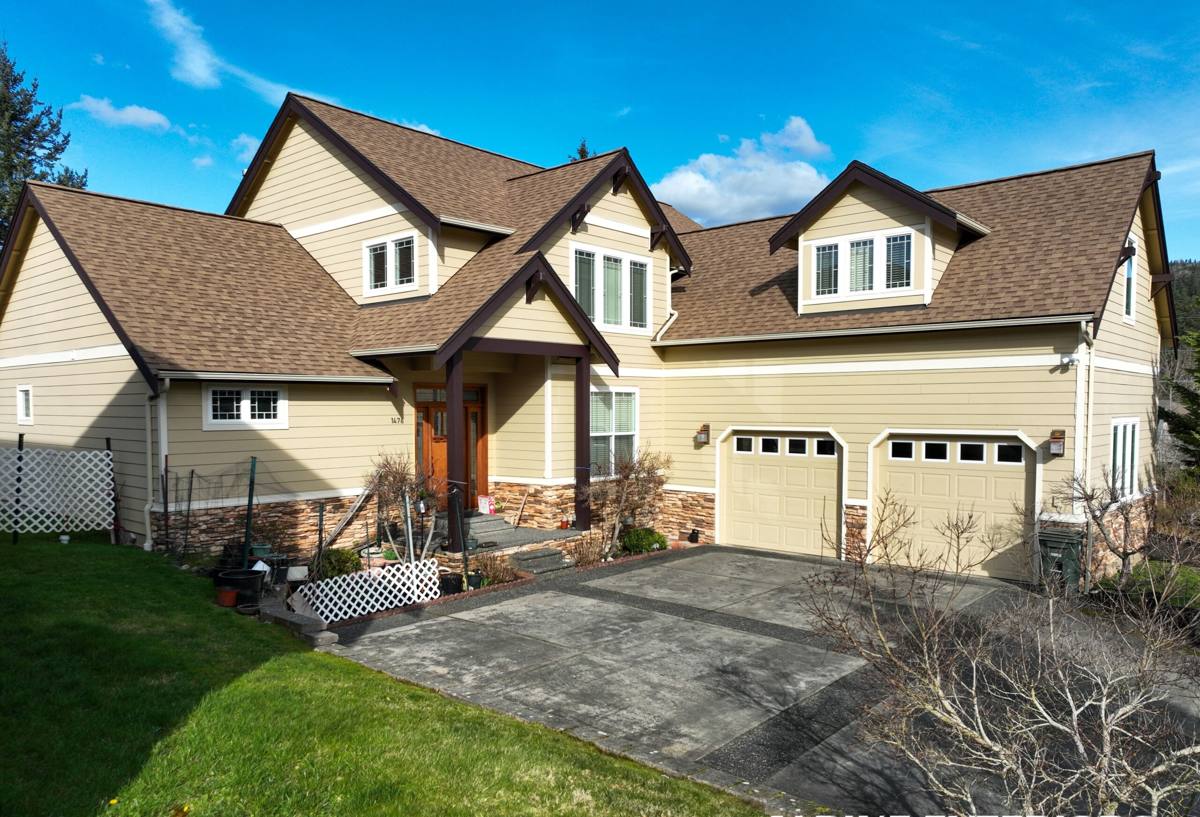
Homes in the Happy Valley area near Sudden Valley deal with a climate that's harder on windows than most homeowners realize. Whatcom County's marine-influenced air, driving rain that comes in sideways during winter storms, and a moss season that can stretch for months all put steady pressure on window frames, seals, and the flashing details that keep water out of the wall behind them. A window that would hold up fine in a drier inland climate can start failing here in half the time if it wasn't installed with this environment in mind.
That's really what separates a good window installation from a mediocre one in this part of Washington. It's not just about picking an attractive window — it's about how that window is flashed, sealed, and integrated into the wall so that the salt-laden, moisture-heavy air and near-constant rain exposure don't find a way in over the next ten or twenty years.
Signs Your Current Windows Are Losing the Fight
Before we talk about installation, it helps to know what failure looks like. Homeowners in Happy Valley usually notice one or more of these before they call:
- Fogging or condensation between panes on double- or triple-glazed units — a sign the seal has failed
- Soft or discolored wood trim around the window frame, especially on the bottom sill
- Visible moss or dark streaking on the exterior casing or nearby siding
- Noticeable drafts or cold spots near the window even when it's fully closed
- Difficulty opening, closing, or latching a window that used to operate smoothly
- A musty smell in the room during or after heavy rain
Any one of these on its own might just mean a caulk touch-up. Several together, especially the soft trim or musty smell, usually point to a window or its flashing that has already let moisture into the wall assembly — and that's a problem that gets worse, not better, the longer it sits.
What a Correct Window Installation Actually Involves
A window installation is a water-management job as much as it is a carpentry job. The window itself is only part of the equation — how it's tied into the wall around it determines whether it stays watertight for the long haul.
Flashing and Water Management
Every opening needs a sill pan to catch any water that gets past the window and direct it back outside instead of into the framing. Flashing tape needs to overlap correctly with the weather-resistive barrier already on the wall — head flashing over the top, integrated so water sheds down and over each layer below it, never trapped behind it. This is the step that's easiest to rush and most costly to get wrong, because problems from bad flashing often don't show up for years.
Fit, Insulation, and Air Sealing
The window needs to be shimmed square and plumb in the opening, not just screwed in wherever it happens to sit. Gaps around the frame get filled with proper low-expansion insulating foam or backer rod and sealant — not just caulk smeared over a hole. Done right, this stops both drafts and the kind of moist air infiltration that leads to hidden condensation inside the wall cavity.
Interior and Exterior Finishing
Trim, casing, and sealant beads on both the interior and exterior need to be finished cleanly and re-caulked at every joint. On the exterior, this is also where we check that siding or trim disturbed during the swap gets properly re-integrated so there's no gap left for wind-driven rain to exploit.
Choosing the Right Window Material for This Climate
There's no single "best" window for every home, but some materials handle Whatcom County's damp, salt-influenced air better than others. Here's how the common options compare for a home in the Sudden Valley area:
| Material | Moisture Resistance | Maintenance | Typical Lifespan |
|---|---|---|---|
| Vinyl | Very good — won't rot, resists salt air well | Low — occasional cleaning | 20–30 years |
| Fiberglass | Excellent — dimensionally stable, resists moisture and corrosion | Low | 30–40+ years |
| Wood (unclad) | Poor without diligent upkeep — prone to rot in this climate | High — regular painting/sealing required | Varies widely with maintenance |
| Wood-clad (vinyl or aluminum exterior) | Good — exterior shell protects the wood core | Moderate | 25–35 years |
| Aluminum | Fair — durable but can corrode near salt air over time | Low to moderate | 20–30 years |
We install products across this range depending on the home's style and the owner's budget, but for most Happy Valley homes we steer people toward vinyl or fiberglass for anything facing prevailing weather. Unclad wood can look great, but it demands a level of upkeep — repainting, resealing, constant vigilance for moisture — that a lot of homeowners underestimate until they're dealing with rot at the sill five or six years in. That's a maintenance trade-off worth being honest about up front, not a knock on wood windows in general.
Our Window Installation Process
1. On-Site Assessment and Measurement
We start by looking at the existing windows and the wall condition around them, not just taking measurements. If there's already moisture damage to framing or sheathing, that needs to be addressed as part of the job, not covered up behind a new window.
2. Product Selection
We walk through material, glass package, and style options based on how exposed the opening is to wind and rain, what the home's existing windows look like, and what the budget allows. There's no upsell pressure here — we'll tell you honestly if a mid-range option is the smarter call for a given wall.
3. Careful Removal and Opening Prep
The old window comes out carefully to avoid unnecessary damage to surrounding trim or siding. We inspect the opening for rot, soft sheathing, or old flashing that failed, and repair or replace anything compromised before the new window goes in.
4. Installation and Flashing
This is where the sill pan, flashing tape, and weather-resistive barrier integration happen, in the order and lap pattern that actually sheds water. The window is shimmed, leveled, and fastened per the manufacturer's specifications — cutting corners here is exactly how call-backs and warranty claims happen.
5. Sealing, Testing, and Cleanup
Interior insulation and air sealing, exterior caulking, and trim finishing come last. We check that the window operates smoothly, locks properly, and is sealed tight before we consider the job done, and we clean up the work area so you're not left with debris or old materials.
What Drives the Cost of a Window Installation
Every home is different, so we won't quote a number without seeing the job, but these are the factors that typically move the price up or down:
| Factor | Why It Matters |
|---|---|
| Number of windows | More openings mean more material and labor, though per-window cost often drops on larger projects |
| Material and glass package | Fiberglass and upgraded low-E or triple-pane glass cost more than standard vinyl |
| Opening condition | Rot, soft framing, or old flashing failures found during removal add repair time |
| Window size and type | Large picture windows, bays, or custom shapes take more time and often cost more per unit |
| Trim and siding tie-in | Homes needing new exterior trim or siding repair around the opening add to the scope |
| Access and site conditions | Second-story or hard-to-reach windows take longer to install safely |
The honest range for most single-window replacements runs from a modest sum for a straightforward vinyl swap up to significantly more for larger openings, premium materials, or jobs that uncover hidden rot. We'll always show you what we find before we do repair work beyond the original scope, so there are no surprises on the invoice.
Before You Book: A Homeowner's Checklist
- Note which windows are drafty, foggy, or hard to operate so we can prioritize them
- Check for soft or discolored trim around each window from outside, if it's safe to do so
- Decide roughly on a material preference (or ask us for a recommendation based on exposure)
- Think about whether you want to match existing trim style or update it during the project
- Clear furniture or window coverings from the interior side of windows being replaced
- Ask about warranty coverage for both the window product and the installation labor
Why a Crew That Already Works in Happy Valley Matters
Window installation isn't a one-size-fits-all trade, and a crew that regularly works homes around Sudden Valley and the broader Lake Whatcom area has already seen how the local building stock and climate interact. We know which flashing details tend to fail first on homes of a certain age, what moss and moisture damage typically looks like on this side of Whatcom County, and how to sequence a job so your home isn't sitting open to the weather any longer than necessary.
That local familiarity also means straight answers. If a window opening on your home doesn't need full reframing, we'll tell you that. If it does, we'll show you why before any work starts. We'd rather earn the next job than pad this one.
If your windows are drafty, fogged, or just due for an upgrade, we're happy to take a look and give you a straightforward, no-pressure estimate. Use the form below to get started.