 Sudden Valley Siding
 Barkley's Siding Problem Isn't Like Most of the Country's
Homes in and around Barkley don't fail the way siding fails in drier climates. They don't crack from heat, and they rarely warp from sun exposure the way siding does in the Southwest. What wears down siding here is slower and quieter: months of driving rain soaking into seams, salt-laden air working on fasteners and trim, and shaded, tree-covered lots that stay damp long after a storm has passed. By the time a homeowner notices a problem, moisture has usually been doing damage behind the surface for a season or two already.
That's the environment we build for on every Barkley job. This page is about one product, in one place: James Hardie fiber cement siding, installed correctly, on homes in the Sudden Valley area. It's not a general overview of siding — it's what this specific climate demands and how we meet it.
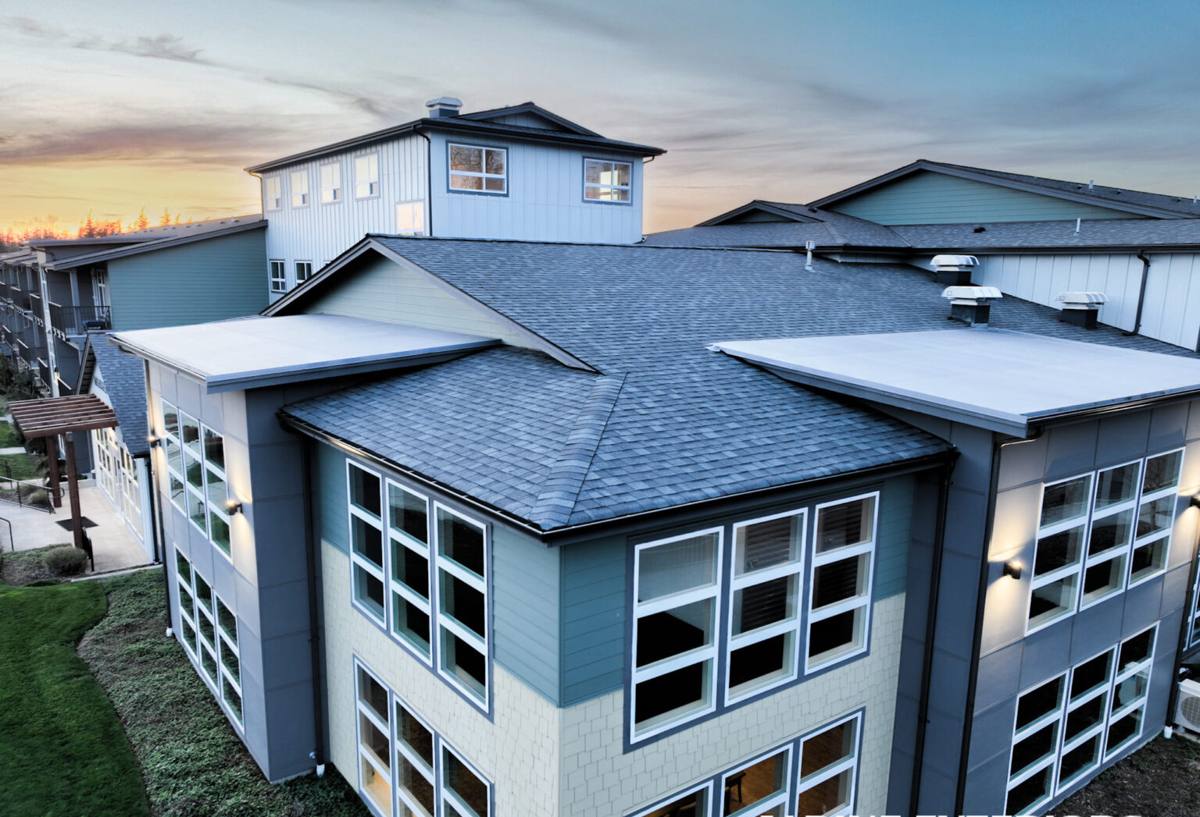
What Driving Rain and Salt Air Actually Do to Siding
Whatcom County gets a lot of rain, but volume alone isn't the issue — it's the wind-driven rain that hits walls at an angle instead of falling straight down. That kind of weather finds every gap in a siding system: unsealed joints, poorly flashed windows, siding installed tight to the ground, or trim boards with no drainage path behind them. Water doesn't need a big opening to get in. It just needs time and a way in, and this region gives it plenty of both.
Salt air is the second factor, and it's easy to underestimate this close to Puget Sound. It doesn't just affect homes right on the water — moisture-laden, salt-carrying air travels inland and accelerates corrosion on anything metal: nails, screws, flashing, and hardware. Siding materials that rely on exposed metal fasteners or thin protective coatings age faster here than the same products would in a landlocked climate.
Why This Matters for Material Choice
A siding product that performs fine in a mild, dry region can fail early here — not because it's poorly made, but because it wasn't engineered for this combination of moisture, wind, and salt exposure. That's the gap we're solving for on every Barkley project.
Moss Season: The Slow Damage Nobody Budgets For
Ask anyone who's lived in this part of Whatcom County for a few years and they'll tell you moss isn't a seasonal nuisance — it's close to a year-round tenant on shaded, north-facing walls. Barkley's tree cover and proximity to the lake mean plenty of surfaces stay damp and shaded for extended stretches, which is exactly the environment moss and algae need to take hold.
On the wrong siding material, moss isn't just cosmetic. It holds moisture directly against the surface, which accelerates rot in wood-based products and can degrade the finish on lower-grade composites. Scrubbing it off repeatedly wears down paint and coatings faster than normal weathering would on its own. Homeowners end up on a cycle: clean it, watch it come back within a season, clean it again, and repaint sooner than they should have to.
Correctly specified siding won't stop moss spores from landing on a wall — nothing does that — but it can resist staining and hold its finish through repeated cleaning instead of degrading with it.
Why We Install Only James Hardie in Barkley
We don't offer vinyl, engineered wood, or primed cedar as options here — not because those products have no merit anywhere, but because we've made a professional call about what holds up under this specific set of conditions without turning into a maintenance project for the homeowner. Vinyl can warp and its seams are a long-term moisture entry point in wind-driven rain. Engineered wood products depend heavily on intact factory sealing at every cut edge; a nick during installation or years of moss exposure can be enough to start rot from the inside out. Cedar looks excellent but demands a maintenance schedule — refinishing, sealing, moss treatment — that most homeowners don't want to commit to indefinitely.
James Hardie fiber cement is non-combustible, doesn't support rot the way wood-based products can, and its ColorPlus factory finish is baked on rather than field-applied, which means it holds color and resists the fading and staining that repeated moss cleaning causes on other materials. That's the trade-off we made, and we stand behind it on every home we side in this area.
What Hardie Doesn't Solve
To be fair to homeowners: fiber cement is heavier and less forgiving to install than vinyl, and it costs more upfront. It's not the cheapest option on the shelf. It's the option we believe holds up the longest with the least ongoing maintenance for a Barkley-area home, which is why we've standardized on it rather than carrying multiple product lines.
The Right Product Line for This Region
James Hardie makes climate-engineered product lines, and the Pacific Northwest falls under their HZ5 (HardieZone 5) formulation — engineered specifically for regions with sustained moisture exposure and freeze-thaw cycling. That's a meaningful distinction: the same-looking siding board formulated for a hot, dry climate zone is not the same product chemically as the HZ5 version built for weather like ours.
| Feature | What It Means for Barkley Homes |
|---|---|
| HZ5 moisture engineering | Formulated for sustained rain and humidity rather than dry-climate exposure |
| ColorPlus factory finish | Baked-on finish resists fading and holds up to repeated moss/algae cleaning |
| Fiber cement composition | Non-combustible, doesn't support rot the way wood-based siding can |
| Engineered for wind-driven rain | Designed to work with proper flashing and lap detail to shed water, not absorb it |
| Transferable warranty | Coverage that can carry to a future owner if the home sells |
What a Correct Installation Actually Involves
Fiber cement siding is only as good as the water management system built behind it. Most siding failures we see on older homes in this area weren't caused by the siding material itself — they were caused by shortcuts in the details nobody sees once the job is done.
The Details That Matter Most Here
- A drainage plane (weather-resistant barrier and rainscreen gap) behind the siding so any moisture that gets past the surface has somewhere to go
- Proper window and door flashing, integrated with the drainage plane rather than just caulked over the top
- Correct clearance between the bottom of the siding and grade, decks, or roof lines so water doesn't wick up from below
- Manufacturer-specified fastener type, spacing, and placement — under-driven or over-driven nails are a common cause of early cracking
- Sealed and back-primed cut edges on every field cut, not just factory edges
- Correct lap and joint treatment so seams shed water instead of collecting it
Skip any one of these and the siding itself becomes almost irrelevant — water will find the gap. This is the part of the job that separates a correct Hardie installation from one that just looks right for the first year or two.
Cost Factors for a Barkley Siding Project
Every home is different, but the same handful of factors drive most of the cost variation we see on jobs in this area. We'd rather walk through these honestly upfront than surprise anyone later.
| Factor | Why It Affects Cost |
|---|---|
| Home size and wall complexity | More corners, dormers, and trim details mean more labor and cutting |
| Existing siding removal and repair | Hidden rot behind old siding is common in shaded, moisture-prone lots and adds sheathing repair |
| Siding profile chosen | Lap, board-and-batten, and shingle-style panels differ in material and labor cost |
| Trim and accessory work | Fascia, corner boards, and window trim add material and installation time |
| Site access | Tree cover, slopes, and tight lot lines common around Barkley can slow staging and scaffolding |
| Color and finish selection | Factory ColorPlus finishes vary slightly in cost by color line |
We provide a written, itemized estimate before any work starts so these factors are clear rather than buried in a lump sum.
Why a Crew That Already Works Barkley Matters
Siding installation isn't one-size-fits-all, and a crew that's worked other homes in this specific area already knows what to expect before they show up: the moisture patterns on shaded, tree-covered lots, how wind-driven rain tends to hit certain wall orientations harder than others, and where moss and algae typically take hold first. That familiarity shows up in small decisions — where extra flashing attention goes, which walls need closer inspection for hidden rot before new siding goes up — that a crew unfamiliar with the area might miss on a first pass.
It also means we're not guessing about product fit. We know which Hardie profiles and finishes have held up well on homes with this area's sun exposure, tree cover, and rain patterns, because we've installed and followed up on them here.
Our Process, Start to Finish
Every project starts with an on-site inspection, not a phone estimate. We look at the existing siding, check for hidden moisture or rot at corners and penetrations, and assess the specific exposure of each wall — north-facing and shaded sides are often treated differently than sun-exposed walls given how moss and moisture behave differently across a single home.
From there, we provide a written estimate that breaks out material, labor, and any repair work separately, so it's clear what's driving the cost. Once approved, our crew handles removal, any necessary sheathing repair, installation of the drainage plane and flashing details, and the Hardie siding itself, followed by a final walkthrough before we consider the job done.
If you're weighing a siding project on a Barkley-area home, we're happy to take a look and give you a straight answer about what your home actually needs — no pressure, no upsell. Use the form below to request a free estimate.