 Sudden Valley Siding
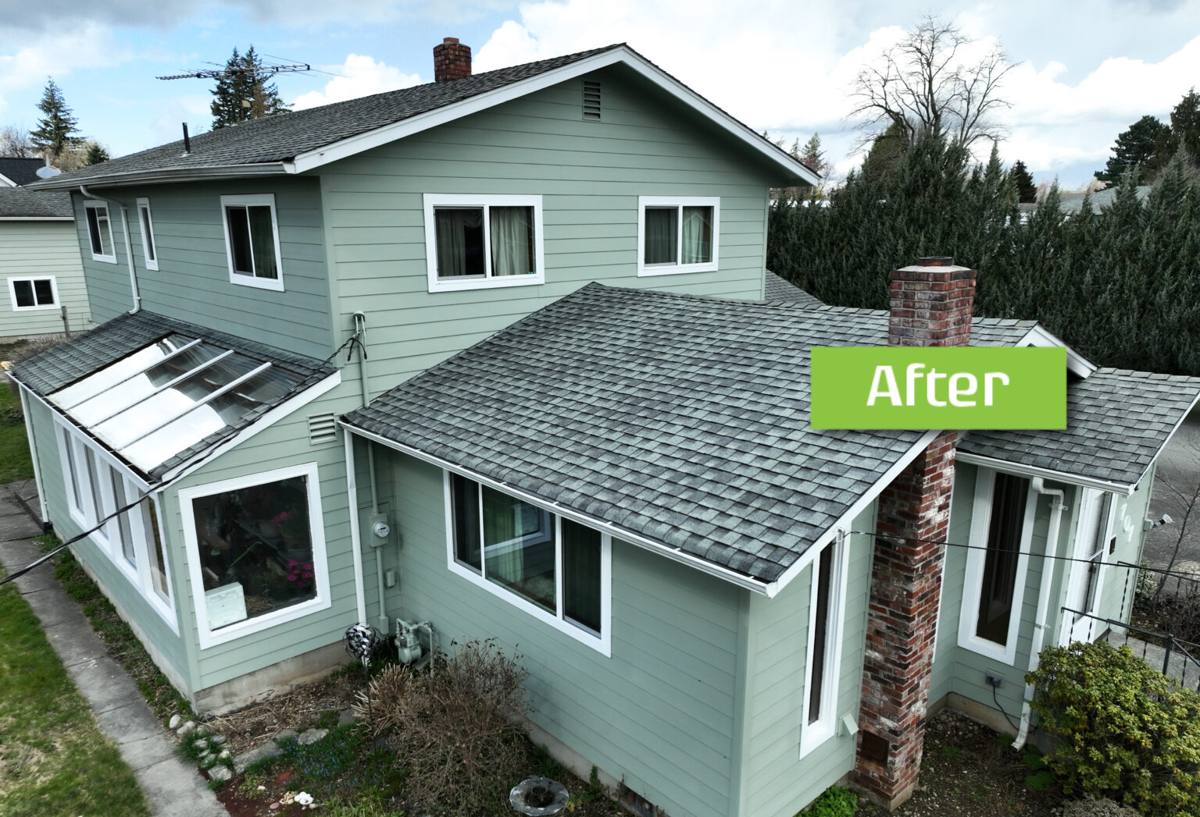
 New Roof Installation for Cordata Homes
Cordata sits close enough to the water and the tree line that its homes take a different kind of beating than roofs further inland. Salt-laden air off the bay, long stretches of driving rain, and a moss season that can run eight or nine months out of the year all work against a roof that isn't built or installed with this specific climate in mind. When we install a new roof for a Cordata homeowner, we're not just swapping old shingles for new ones — we're building a system that's meant to hold up to what Whatcom County actually throws at it, year after year.
A lot of roofing problems we get called out to fix didn't start as roofing problems. They started as installation shortcuts — the wrong underlayment for a wet climate, ventilation that was never balanced, flashing details that looked fine on install day and failed two winters later. This page walks through what a correct new roof installation looks like for a Cordata property, and why the details matter more here than they would somewhere drier.
Why Cordata's Climate Is Hard on Roofs
Salt Air and Metal Fatigue
Proximity to the water means airborne salt settles on every exterior surface, including your roof. Over time, salt exposure accelerates corrosion on unprotected fasteners, flashing, and metal roofing components. It's not dramatic — you won't see it happen — but it's steady, and it's why the fastener and flashing choices on a coastal-influenced roof matter more than they would on a roof forty miles inland.
Driving Rain and Wind-Driven Water
Whatcom County doesn't just get rain — it gets rain pushed sideways by wind off the water and through the valley. That kind of weather finds every weak point in a roof: under-lapped shingles, gaps in step flashing, nail patterns that don't hold in gusts. A roof built for a calmer climate often isn't detailed for wind-driven water, and that's where leaks start, usually at valleys, chimneys, and wall intersections rather than out in the open field of the roof.
Moss Season
The Pacific Northwest's long wet, mild stretch is close to ideal growing conditions for moss, and Cordata's tree cover only adds to it. Moss holds moisture against the roofing surface, works its way under shingle edges, and can lift material over time if it's left unchecked. A new roof installed without moss-resistant strategy built in is signing up for years of extra maintenance — or worse, premature failure — right from day one.
What a Correct Installation Actually Involves
A new roof is more than the shingles or panels you see from the street. Every layer underneath does specific work, and in a climate like this one, skipping or under-speccing any of them shows up as a problem within a few wet seasons.
- Tear-off and deck inspection: Full removal of old roofing so we can inspect the deck for rot, soft spots, or prior water damage — problems that get hidden, not fixed, if you roof over them.
- Ice and water shield at vulnerable points: Valleys, eaves, and roof-to-wall transitions get self-adhered waterproof membrane, not just felt, because these are the spots wind-driven rain exploits first.
- Synthetic underlayment across the field: A high-quality synthetic underlayment holds up to extended wet exposure better than old-style felt, which matters when a job can span multiple rain delays.
- Balanced ventilation: Proper intake and exhaust airflow keeps the deck dry from underneath and reduces moisture buildup that feeds rot and moss growth alike.
- Corrosion-resistant fasteners and flashing: Given the salt exposure, we don't cut corners on fastener and flashing material — the wrong metal here is a slow, expensive mistake.
- Correct nailing pattern and exposure: Manufacturer-spec nailing, checked against local wind exposure, so the roof performs the way it's rated to, not just the way it looks on install day.
Roofing Material Considerations for Cordata
There's no single "best" roofing material for every home — it depends on the structure, the budget, and how much long-term maintenance a homeowner wants to take on. Here's how the common options stack up against this specific climate.
| Material | Moss/Moisture Resistance | Salt Air Durability | Typical Lifespan | Maintenance Load |
|---|---|---|---|---|
| Architectural asphalt shingle (algae-resistant) | Good, with copper/zinc strips or granules | Good with corrosion-resistant flashing/fasteners | 25–30 years | Moderate — periodic moss treatment |
| Standard 3-tab asphalt shingle | Fair — more prone to moss without treatment | Fair | 15–20 years | Higher — more frequent moss removal |
| Metal roofing (standing seam) | Excellent — sheds moisture, little moss purchase | Good to excellent with proper coating/fastener spec | 40–60 years | Low |
| Cedar shake | Poor without diligent upkeep | Fair — needs regular treatment | 20–30 years with upkeep | High |
For most Cordata homes, an algae-resistant architectural shingle strikes the best balance of upfront cost and climate performance. Metal is a strong option for homeowners who want to minimize long-term maintenance and don't mind the higher initial investment. We'll walk through the honest trade-offs for your roof specifically rather than push one product across every job.
Our Process for a Cordata Roof Installation
- On-site inspection and assessment: We walk the roof and attic, check ventilation, and look for existing moisture damage before quoting anything.
- Written estimate with material options: You get a clear breakdown of material choices and what each one means for cost and long-term performance in this climate.
- Tear-off and deck repair: Old roofing comes off, deck damage gets repaired or replaced before anything new goes down.
- Waterproofing and underlayment install: Ice and water shield at critical points, synthetic underlayment across the field.
- Ventilation correction if needed: We fix intake/exhaust imbalances found during inspection rather than roofing over them.
- Final material installation: Shingles, metal, or the chosen material installed to manufacturer spec and local wind/rain conditions.
- Final walkthrough: We review the finished roof with you, including flashing, gutters interface, and any ventilation changes made.
Cost Factors to Expect
Every roof is different, but the main cost drivers for a Cordata installation tend to be the same handful of things. Here's what typically moves the number:
- Roof size, pitch, and complexity (number of valleys, dormers, penetrations)
- Material selection (standard shingle vs. premium shingle vs. metal)
- Deck condition and whether repair or replacement is needed
- Ventilation corrections required to bring the system up to standard
- Tear-off layers (one layer vs. multiple existing roofing layers to remove)
We give straightforward, itemized estimates so you know exactly what you're paying for and why — no vague lump-sum numbers that hide what's actually being done.
Signs a Cordata Roof Needs Replacement, Not Repair
Not every roofing problem calls for a full replacement. But there are signs that point toward a new roof being the smarter long-term investment rather than continuing to patch:
- Granule loss heavy enough that shingles look bald or patchy in sunlight
- Multiple past repairs in different areas rather than one isolated issue
- Persistent moss growth that returns quickly after cleaning
- Visible sagging in the roofline, which can indicate deck or structural issues
- Daylight visible through the attic, or consistent moisture staining on interior ceilings
- A roof approaching or past the upper end of its expected lifespan for its material
If your roof is showing one or two of these signs, a targeted repair might still make sense. If it's showing several at once, replacement is usually the more cost-effective path — repeated repairs on a roof at the end of its life rarely pencil out over time.
Why a Crew That Already Works Cordata Matters
Roofing crews that work across a wide, varied region tend to default to generic specs — the underlayment, fastener, and ventilation choices that work fine in a dry climate but underperform here. A crew that regularly works Cordata and the surrounding Sudden Valley area already knows which details to prioritize: the flashing that needs to be corrosion-resistant because of the salt air, the valleys that need extra waterproofing because of how rain moves through this specific terrain, and the ventilation balance that actually keeps moss and moisture in check through a long wet season.
That local familiarity also means fewer surprises during the job. We know what Whatcom County permitting and inspection typically require, we're used to scheduling around this region's rain patterns instead of fighting them, and we're not learning the local climate on your roof.
Ready for a Straightforward Estimate?
If your Cordata roof is aging, showing moss, or you're just planning ahead, we're happy to take a look and give you an honest read on where things stand. Fill out the form below for a free, no-pressure estimate — no obligation, just a clear picture of your options.