 Sudden Valley Siding
 Windows Built for a Silver Beach Address
Silver Beach sits close enough to the water that the air itself works against your windows every day. Salt-laden moisture, wind-driven rain off Lake Whatcom, and the long gray stretch of moss season from fall through spring all put steady stress on window frames, seals, and finishes. A window that's fine in a dry inland neighborhood can fail early here if it wasn't chosen or installed with this specific exposure in mind. When we talk about "custom windows" for Silver Beach, we mean windows sized, sealed, and detailed for this particular stretch of Whatcom County — not a one-size-fits-all product pulled off a shelf.
Most of the homes we work on in this area are older construction with original openings that have settled or shifted slightly over the decades, waterfront or near-waterfront lots with direct wind exposure, and a mix of siding types that all need to tie back into the window flashing correctly. Custom windows solve the problems that stock replacement sizes can't: out-of-square openings, unusual widths, matching sightlines across a whole elevation, and getting the water management right the first time.
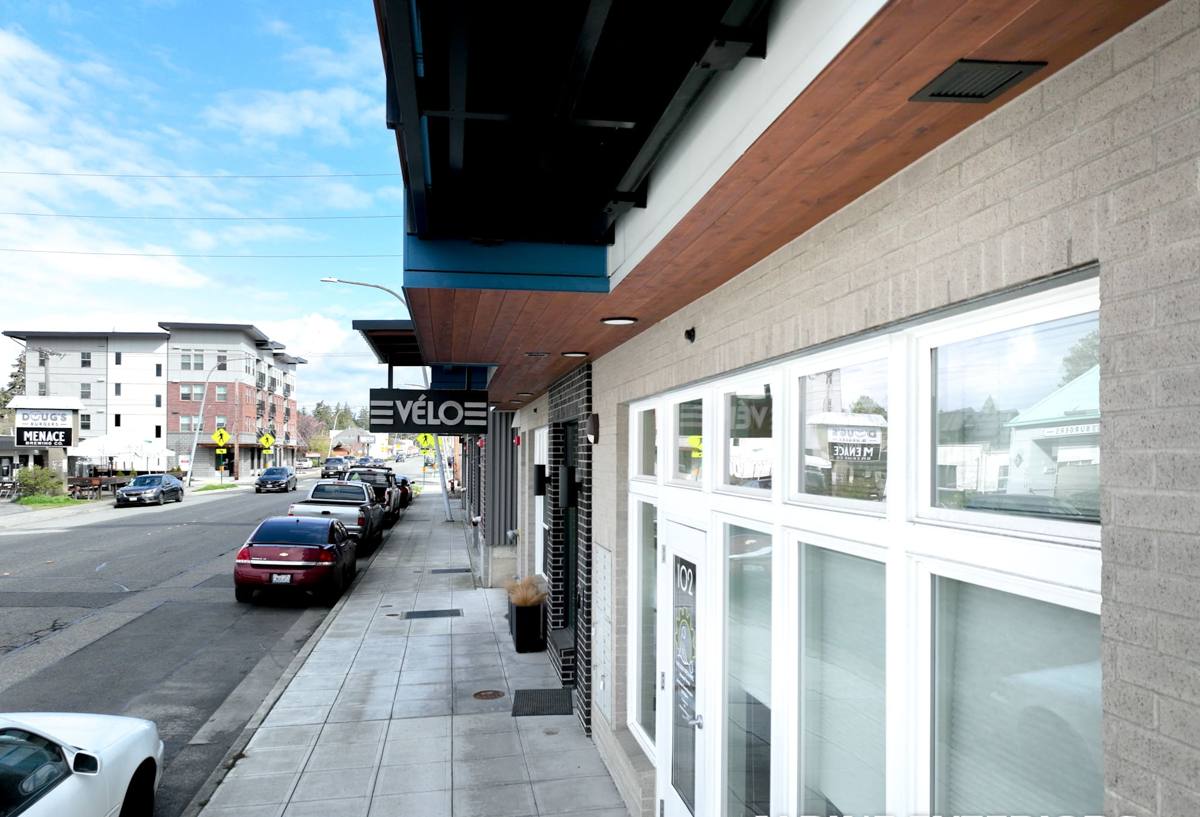
What the Climate Actually Does to a Window
Salt Air and Metal Fatigue
Salt in the air accelerates corrosion on hardware, hinges, and lesser-grade aluminum components. Over years, that shows up as stuck locks, pitted finishes, and cranks or balances that stop moving smoothly. It's not dramatic — it's slow, and it's the kind of wear that a homeowner two miles inland simply doesn't deal with at the same rate.
Driving Rain and Seal Failure
Wind off the lake doesn't just drop rain straight down — it pushes it sideways into the wall assembly. That means the seal between the window unit and the rough opening has to handle real lateral pressure, not just gravity. A weak flashing detail or a bead of caulk standing in for proper flashing will eventually let water track behind the trim, and you won't see it until there's already damage to the framing or interior sill.
Moss Season and Trapped Moisture
Whatcom County's long wet season means moss and algae find any spot that stays damp — including window sills, tracks, and the tops of trim boards that don't shed water cleanly. Trapped moisture near a window opening is what eventually leads to soft wood, stained drywall, or a frame that's harder to open every year. Good detailing at install time is what keeps that moisture moving away from the house instead of sitting against it.
What a Correct Custom Window Job Involves
"Custom" isn't a marketing word here — it describes the actual scope of work. A proper job includes:
- Accurate measurement of each opening, accounting for any settling or out-of-square condition
- Removal of the old unit without damaging surrounding siding, trim, or sheathing
- Inspection of the rough opening and sill for rot, soft wood, or prior water intrusion
- Correct flashing sequence — sill pan, side flashing, and head flashing that shed water down and out, not into the wall
- Proper shimming and fastening so the window operates smoothly and doesn't bind
- Sealing and insulating the gap between the frame and rough opening — not just caulking the exterior trim
- Exterior trim and siding tie-in that matches the surrounding material and doesn't leave a gap for water or pests
Skipping any one of those steps is how a window ends up leaking within a few seasons even though it "looked fine" going in. The visible trim work is the smallest part of the job — the flashing and sealing underneath is what actually determines whether the window holds up here.
Choosing the Right Window for This Exposure
There's no single "best" window brand or material for every house — the right choice depends on the home's orientation, how exposed it is to wind and rain, and the homeowner's maintenance preferences. That said, a few practical trade-offs matter more in a Silver Beach setting than they would somewhere drier:
| Factor | What to Consider Locally |
|---|---|
| Frame material | Vinyl and fiberglass resist salt-air corrosion better than uncoated aluminum hardware; fiberglass holds up well to repeated wet/dry cycling |
| Glass package | Double-pane with a good low-E coating helps with condensation control during long damp stretches, not just energy savings |
| Weatherstripping | Look for compression seals rated for wind-driven rain, not just basic draft sealing |
| Hardware finish | Corrosion-resistant coatings on locks and cranks matter more within a mile or two of the lake |
| Sill design | A sloped sill with a clear drainage path prevents standing water and moss buildup on the exterior ledge |
We'll walk through these trade-offs with you in plain terms during the estimate — including honest maintenance expectations, because a window that looks great but needs babying every year isn't doing you any favors on a property exposed to this much weather.
A Note on Product Standards
We install specific window lines because we've seen how they perform over years in this exact climate, not because of a sales incentive. Some lower-cost window assemblies use construction methods that are more sensitive to installation error, weep systems that clog easily, or corner joints that open up under repeated wet-dry cycling. Those aren't defects that show up on day one — they show up in year four or five, usually as a soft spot at the bottom corner of the frame. Our standard is to use products where the failure points are well understood and manageable, and to install them in a way that doesn't rely on the product alone to keep water out.
Our Process for Silver Beach Homes
1. On-Site Assessment
We look at every opening individually — not just the window itself, but the siding, trim, and sill condition around it. On older homes this is where we often find the real scope of work, since a window replacement sometimes uncovers rot or old flashing mistakes that need to be addressed at the same time.
2. Straightforward Estimate
You get a written scope and price range before any work starts, including what's covered if we find hidden damage once the old window comes out. No surprise change orders sprung on you mid-project.
3. Careful Removal and Prep
We protect the surrounding siding and landscaping, remove the old unit cleanly, and inspect the opening before anything new goes in.
4. Correct Installation
Flashing, shimming, insulation, and sealing done in the right order — this is the part that actually determines how the window performs during the next atmospheric river event or windstorm off the lake.
5. Finish and Walkthrough
Trim and siding tie-in finished to match, windows tested for smooth operation, and a walkthrough so you know how to maintain the tracks and weep holes going forward.
Simple Maintenance That Extends the Life of the Job
- Rinse tracks and sills a couple times a year to clear salt residue and debris before it hardens
- Keep gutters and downspouts clear so runoff isn't sheeting directly across upper windows
- Check exterior caulking lines annually — Whatcom County's freeze-thaw swings and constant damp cycles can open hairline gaps over time
- Clear moss or algae from sills and trim promptly rather than letting it sit against the wood or vinyl
- Operate locks and cranks periodically even on windows you don't open often, so hardware doesn't seize
Why Local Experience Matters Here
A crew that mainly installs windows in dry, inland subdivisions doesn't automatically know how to detail flashing for a home taking direct wind off Lake Whatcom, or how quickly moss establishes itself on a north-facing sill in this neighborhood. We've worked enough homes in and around Silver Beach and greater Sudden Valley to know which details actually matter here — where water tends to find its way in, which older construction styles need extra attention at the rough opening, and how to sequence the work so your home isn't left exposed to the weather mid-project any longer than necessary.
That local familiarity isn't a small thing when the job is only as good as its weakest flashing detail. It's the difference between a window installation that's still performing well in fifteen years and one that starts showing problems in three.
Get a Straight Answer on Your Windows
If you're dealing with drafty, foggy, or hard-to-operate windows in Silver Beach, or you're planning ahead for a full window replacement, we're happy to take a look and give you an honest assessment — no pressure, no upsell. Fill out the form below for a free estimate, and we'll walk the property with you and explain exactly what your home needs.