 Sudden Valley Siding
 Storm Damage Roof Repair for Barkley Homes
Barkley sits inside the same Whatcom County weather pattern that shapes every roof around Sudden Valley and Lake Whatcom: wet winters, wind events that come through in gusts rather than steady blows, and a marine air layer that keeps everything a little damper than it looks. When a storm rolls through, the damage isn't always obvious from the driveway. A few lifted shingles, a soft spot around a vent boot, or granules collecting in the gutter can sit quietly for months before they turn into a stain on the ceiling. We do storm damage roof repair work in Barkley regularly, and most of the calls we get aren't from people who saw a hole in their roof — they're from people who noticed something small and wanted it checked before the next system moved through.
This page covers what storm damage actually looks like on a Whatcom County roof, what a correct repair involves, and how we handle the job from first call to final walk-through.
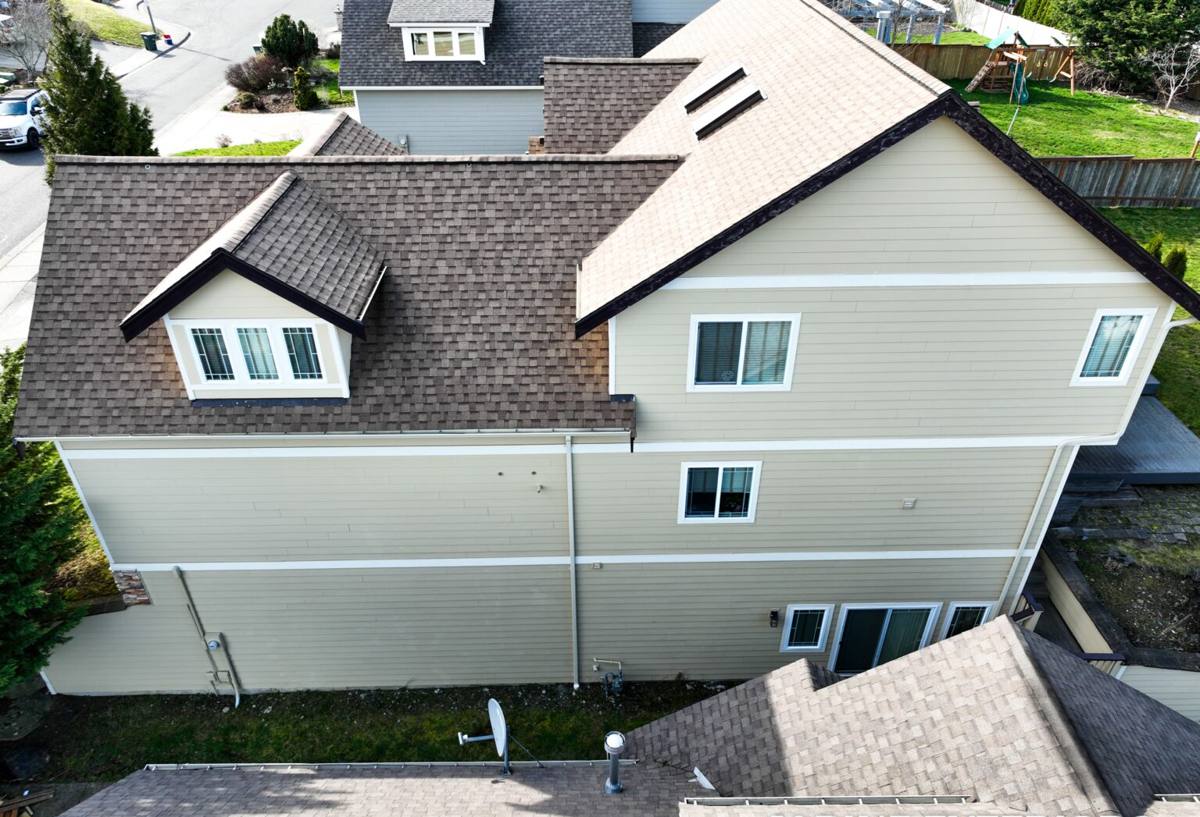
What Local Weather Does to a Roof Over Time
Three things drive most of the storm-related roof repair calls we get in this area, and they compound each other:
Salt Air and Driving Rain
Proximity to open water means metal fasteners, flashing, and exposed nail heads corrode faster here than they would further inland. Driving rain during a storm doesn't just sit on the roof — it gets pushed sideways and uphill under shingle edges, ridge caps, and around any penetration that isn't sealed tight. A roof that would shed water fine in a straight-down rain can leak in a wind-driven storm simply because water is being forced in a direction the original installation didn't account for.
Wind Gusts Off the Lake and Terrain
Sudden Valley and the surrounding hills create funneling effects that can push localized gusts higher than what's reported for the wider region. This is what lifts shingle tabs, cracks ridge caps, and works fasteners loose over repeated storms — even when no single event looks dramatic enough to cause visible damage.
A Long Moss Season
Heavy tree cover, shade, and near-constant moisture give moss a long growing window here. Moss holds water against the roofing material, works its way under shingle edges, and adds weight. It also hides early storm damage — a lifted or cracked shingle under a mat of moss is easy to miss until water finds its way through.
None of these three things cause damage on their own most years. Together, over several wet seasons, they're the reason a roof that's only 12-15 years old in Barkley can already need targeted storm repair rather than lasting the 20-25 years a manufacturer's rating might suggest.
Signs of Storm Damage Worth a Look
Some of these you can spot without getting on a ladder. Others need a closer inspection, which is part of why we recommend a free look after any significant wind or rain event.
- Shingles that look curled, cracked, or visibly out of line with the rest of the field
- Granules collecting in gutters or at the base of downspouts after a storm
- Metal flashing around chimneys, skylights, or vent pipes that looks bent, lifted, or separated
- New or growing moss patches, especially on north-facing slopes and shaded areas
- Soft spots, sagging, or discoloration on interior ceilings near exterior walls
- Debris or branch strikes that left visible impact marks or displaced shingles
- Daylight visible through the attic decking, especially near ridges or valleys
- Gutters pulling away from the fascia or holding standing water after rain stops
If you notice more than one of these after a storm, it's worth getting a repair estimate before the next system comes through — not because every item on this list means a major problem, but because water damage from a small opening gets more expensive the longer it sits.
What a Correct Storm Damage Repair Actually Involves
A lot of storm repair work we see from other jobs is patchwork — a bead of sealant over a symptom instead of a fix for the cause. A correct repair starts with figuring out where the water is actually getting in, which is not always where the stain shows up inside.
Inspection First
We check the full roof plane, not just the area someone points us to. Wind and water damage often shows up in more than one spot, and a repair that only addresses the visible issue can leave a second entry point unaddressed.
Matching the Repair to the Damage
Loose or missing shingles get replaced with matching material, properly nailed and sealed at the tab. Damaged flashing gets replaced, not caulked over — caulk is a short-term patch, not a flashing repair. Compromised underlayment gets cut back and replaced in the affected area so the repair is watertight, not just cosmetically closed up.
Checking What's Underneath
If water has been getting in for a while, we check the decking underneath for soft spots or rot before closing the repair back up. Patching over damaged decking is one of the most common shortcuts in this trade, and it's the reason "repaired" roofs sometimes leak again within a year or two.
Our Process, Start to Finish
- Free inspection. We look at the roof, document what we find, and explain it in plain terms — including whether it's a minor repair, a larger repair, or something that's better addressed with a fuller re-roof.
- Written estimate. You get a clear scope of work and price before anything starts. No surprise add-ons once we're on the roof.
- Repair work. Most storm damage repairs in Barkley are completed in a single day, weather permitting. Larger jobs involving decking replacement or multiple roof planes may take longer.
- Cleanup and walk-through. We clear debris, magnet-sweep for stray fasteners, and walk you through what was done before we consider the job finished.
Repair vs. Replacement: How to Think About It
Not every storm-damaged roof needs to be replaced, and not every repair is a good long-term answer. The right call usually comes down to the roof's age, how widespread the damage is, and what's happening underneath the surface.
| Factor | Points Toward Repair | Points Toward Replacement |
|---|---|---|
| Roof age | Under 12-15 years | Approaching or past the material's rated lifespan |
| Extent of damage | Isolated to one area or slope | Spread across multiple planes |
| Decking condition | Solid, no rot found | Soft spots or rot in more than one area |
| Storm history | First significant damage in years | Repeated repairs on the same roof |
| Moss/moisture pattern | Manageable with cleaning and minor repair | Long-term moss damage affecting multiple courses |
When we inspect a roof, we tell you honestly which side of this table it falls on. A roof that only needs a repair doesn't need to be sold as a replacement, and we won't recommend a full re-roof when a targeted repair will genuinely hold up.
Insurance and Storm Damage Claims
Wind and impact damage from a documented storm event is often covered under homeowners' insurance policies, though coverage details vary by carrier and policy. If you're planning to file a claim, it helps to have photo documentation and a written inspection report before the adjuster visits. We provide detailed findings from our inspection that you're welcome to share with your insurance company — we're not a public adjuster and don't negotiate claims on your behalf, but a clear, honest inspection report makes the claims process go smoother on your end.
Materials We Use and Why
For storm damage repairs, we match existing roofing material whenever a close match is available, since mixing shingle profiles or colors on a partial repair is usually a bad look and can affect how well the repair sheds water at the seams. For flashing, we use metal flashing rather than relying on sealant-based patches — sealant degrades faster in this climate's UV and moisture cycle than a properly formed and fastened metal flashing does, and it's a maintenance burden we'd rather not hand you a year later. Where underlayment needs replacing, we use synthetic underlayment rather than felt in most cases, since it holds up better to the extended exposure that can happen between storm events and scheduled repair work.
Why a Crew That Already Works Barkley Matters
Storm repair work benefits from local familiarity in a few specific ways. We already know which roof types and ages are common in this part of Whatcom County, so we're not learning the neighborhood's building patterns on your dime. We know how moss and shade patterns tend to run on north- and east-facing slopes around Sudden Valley's tree cover. And because we're not driving in from out of the area, we can usually get to a storm-damaged roof faster after a weather event — which matters when the goal is closing up an opening before the next system rolls through.
We also stand behind repair work with a workmanship warranty, and we're straightforward about material warranty terms so you know exactly what's covered and for how long before we start.
Get a Free Storm Damage Inspection
If your Barkley home took wind or rain damage in a recent storm — or if you just want a roof checked before the next one hits — we'll come out, inspect it honestly, and give you a clear written estimate with no pressure to act on it right away. Use the form below to request a free estimate.