 Sudden Valley Siding
 Siding Replacement in Sunnyland: What Local Homes Are Up Against
Homes in the Sunnyland area near Sudden Valley sit inside one of the more demanding exterior environments in Whatcom County. It's not one dramatic weather event that wears siding down here — it's the accumulation of a wet, mild, marine climate working on a house twelve months a year. Salt-laden air drifting inland, driving rain that gets pushed sideways by wind, and a moss season that can run from early fall through late spring all chip away at siding that wasn't built, or installed, for this specific combination of conditions.
A siding replacement in this neighborhood isn't the same job as a siding replacement in a dry inland climate. The material choice, the moisture management details behind the cladding, and the way the crew handles flashing and fastening all matter more here than they would somewhere with a shorter, drier wet season. This page walks through what local homes actually need, what a correctly done replacement looks like, and why we've standardized on one product system instead of offering several.
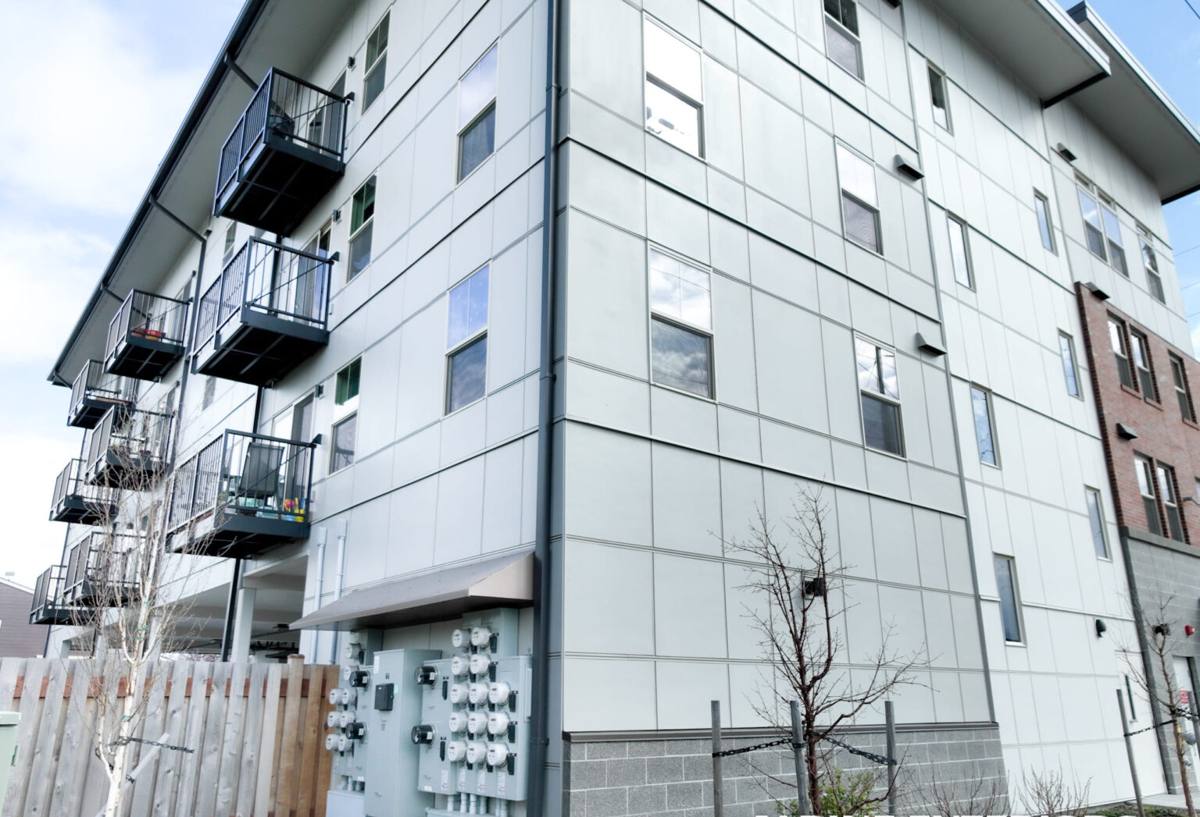
The Climate Factors That Wear Down Sunnyland Siding
Salt Air and Corrosion
Proximity to the Salish Sea means homes throughout Whatcom County, including the Sudden Valley and Sunnyland area, are exposed to airborne salt in varying degrees depending on elevation, wind exposure, and distance from open water. Salt air accelerates corrosion of exposed metal fasteners and trim, and it can speed up the breakdown of lower-quality paint films and coatings on wood-based siding. Siding and fastening systems chosen without this in mind tend to show premature rust streaking, bubbling, and finish failure years before they should.
Driving Rain and Wind Exposure
Pacific Northwest storms rarely fall straight down. Wind-driven rain gets forced sideways into wall assemblies, testing every seam, lap, and penetration in a home's siding system. Homes on exposed elevations or open lots catch more of this than sheltered ones, but over a full wet season, every home in the area takes on some wind-driven moisture. This is why the weather-resistive barrier and flashing details behind the siding matter just as much as the siding itself — a beautiful new exterior over sloppy moisture management will fail from the inside out.
A Long Moss Season
Shaded lots, tree cover, and the region's extended damp season create ideal conditions for moss, algae, and mildew growth on north-facing and shaded wall sections. Porous or absorptive siding materials hold moisture longer and give moss and mildew more to grow on. Siding that resists moisture absorption at the surface stays cleaner longer and is far less likely to develop the soft, compromised substrate that moss and fungal growth can eventually cause underneath.
Signs Your Sunnyland Home Needs Siding Replacement
Not every siding problem requires full replacement, but these signs usually mean patching or spot repair won't hold for long:
- Soft or spongy spots when you press on the siding, especially near the bottom courses or under windows
- Visible moss, black streaking, or algae that returns quickly after cleaning
- Paint that's peeling, bubbling, or chalking across large sections rather than isolated spots
- Warping, cupping, or buckling boards, particularly on wood-based or engineered wood siding
- Cracks at butt joints, corners, or around trim where water can track behind the siding
- Rising energy bills or noticeably drafty rooms, which can point to a failing or gapped exterior envelope
- Visible rust bleeding from fasteners or trim on shaded or exposed elevations
What a Correct Siding Replacement Job Involves
Tear-Off and Sheathing Inspection
Full replacement starts with removing the old siding down to the sheathing, not installing new material over old. This is the only way to actually see what's happening behind the wall — soft sheathing, hidden rot, or old moisture damage has to be found and repaired before anything new goes up. Skipping this step is one of the most common shortcuts in the industry, and it's how new siding ends up covering an old problem instead of solving it.
Weather-Resistive Barrier and Flashing
Given how much wind-driven rain this area sees, the house wrap and flashing details behind the siding are arguably more important than the siding itself. Proper overlap at seams, correctly flashed window and door openings, and integrated flashing at every horizontal transition are what actually keep water out of the wall assembly. Good siding installed over a poorly detailed weather barrier will still lead to problems.
Fastening and Installation to Spec
Fiber cement siding has manufacturer-specified nailing patterns, fastener types, gaps, and clearances that vary by climate zone. Installing it like a generic siding product — wrong fasteners, tight joints with no expansion gap, siding installed too close to grade or a roofline — voids warranty coverage and creates the exact moisture entry points a correct install is supposed to prevent.
Factory Finish vs. Field Paint
Whether a product's finish is baked on at the factory or applied on-site after installation makes a real difference in a climate this wet. Factory-applied finishes cure under controlled conditions and are backed by the manufacturer; field-applied paint depends on weather windows and application quality, and it's the first thing to fail when moss, algae, and driving rain get to work on it year after year.
Why We Install Only James Hardie Fiber Cement
We made a deliberate decision to install one siding system rather than offer a menu of options: James Hardie fiber cement. It's not the cheapest material on the market, and we won't pretend otherwise, but for a climate like Whatcom County's it holds up in ways that matter over the long run.
Fiber cement is non-combustible, which is a genuine safety advantage over wood-based and some engineered wood products. Hardie's ColorPlus factory finish is baked on and backed by the manufacturer, which removes a lot of the field-painting variability that causes early finish failure in wet climates. Hardie also engineers specific product lines (their HZ5 designation, used in this region) for cold, wet, marine-influenced climates rather than selling one generic board everywhere. And because it's cement-based rather than wood-based, it doesn't absorb moisture and swell the way wood and wood-composite sidings can, which matters directly for moss and rot resistance in a shaded, damp neighborhood like Sunnyland.
We don't install vinyl, LP SmartSide, Cemplank, Allura, primed spruce, or cedar. Each of those products has legitimate strengths, and none of them is a scam — but each also has a real-world trade-off in this climate, whether it's moisture sensitivity, maintenance burden, seam and expansion behavior, or a shorter track record locally, that we're not willing to sign our name to on a home in this area.
How Siding Materials Compare in Whatcom County Conditions
| Material | Moisture Resistance | Moss/Mildew Resistance | Maintenance | Typical Longevity |
|---|---|---|---|---|
| Vinyl | Doesn't absorb water, but seams and panels can allow water behind the wall | Surface can stay cleaner, but growth still occurs in shaded areas | Low, but prone to cracking and fading over time | Moderate; finish and material degrade with UV and cold |
| Wood-based composite (e.g. LP SmartSide) | Engineered wood strand core is moisture-sensitive at cut edges and joints | Vulnerable if moisture gets into the substrate | Moderate to high; edge sealing and caulking need upkeep | Depends heavily on installation quality and moisture control |
| Cedar | Absorbs and releases moisture naturally; performance depends on finish upkeep | Susceptible without regular treatment | High; needs periodic refinishing/sealing | Variable; shortened by neglected maintenance |
| James Hardie fiber cement | Cement-based, does not swell or rot from moisture absorption | Dense surface resists sustained growth better than porous materials | Low; factory finish, no refinishing cycle required | Long service life with a strong transferable warranty when installed to spec |
Our Siding Replacement Process for Sunnyland Homes
- On-site assessment — we walk the exterior, check for soft sheathing, existing moisture damage, and note sun/shade and wind exposure by elevation
- Tear-off and sheathing repair — old siding comes off, damaged sheathing is identified and repaired before anything new is installed
- Weather-resistive barrier and flashing — house wrap and flashing are installed and detailed around every window, door, and horizontal transition
- Hardie installation to manufacturer spec — correct fasteners, gaps, and nailing pattern for our HZ5 climate zone, so the warranty stays intact
- Trim, caulking, and finish work — corners, trim boards, and joints are finished cleanly to shed water rather than trap it
- Final walkthrough and cleanup — we review the completed work with you and clear the site of old material and debris
What Affects the Cost of a Siding Replacement Project
Every home is different, and we're not going to publish a price sheet that doesn't reflect your specific project — but these are the main factors that move the cost up or down:
| Factor | Why It Matters |
|---|---|
| Home size and wall area | More square footage means more material and labor |
| Condition of existing sheathing | Hidden rot or moisture damage found during tear-off requires repair before new siding goes on |
| Number of stories and roof lines | Steep or multi-story elevations take longer and require more staging/access work |
| Trim, soffit, and fascia scope | Replacing or wrapping trim alongside siding adds material and labor |
| Siding profile and accessories | Lap width, shingle-style accents, and trim details affect material cost |
| Site access | Tight lots, slopes, or landscaping near the house can add setup time |
Why a Crew That Already Works in Sunnyland Matters
There's a real difference between a contractor who occasionally drives out to Whatcom County and a crew that already knows the area's siding failure patterns. We've seen how shaded, tree-covered lots near Sudden Valley grow moss on the north side of a house faster than the south, how wind-driven rain behaves differently on an exposed elevation versus a sheltered one, and where builders in this area have historically cut corners on flashing details that show up as problems years later.
If your property falls under a homeowners association, as many do in and around the Sudden Valley community, we're used to working within typical exterior guidelines on siding color and style approval, and we can help you navigate that process rather than treating it as an afterthought. Local familiarity isn't a marketing line — it's fewer surprises during the project and a better match between the product we install and the conditions your specific home actually faces.
If you're weighing a siding replacement for your Sunnyland-area home, we're happy to take a look and give you a straightforward, no-pressure assessment of what your siding actually needs. Use the form below to request a free estimate.