 Sudden Valley Siding
 Window Installation for Acme Homes in Sudden Valley
Acme sits close enough to the water and the tree line that its homes take a particular kind of weather beating — one that's different from what you'd deal with on the drier east side of Whatcom County. Windows here aren't just an energy-efficiency upgrade; they're one of the main things standing between your walls and a wet, mossy, salt-tinged climate that doesn't let up for long stretches of the year. When a window is installed correctly in this area, it can go decades without a callback. When it's installed wrong, or installed for a different climate entirely, problems show up early — usually as soft trim, fogged glass, or a musty smell nobody can pin down.
This page covers what window installation actually looks like for homes in and around Acme: what the local climate demands, what a correct install involves, how our process works, and why it matters to hire a crew that already knows this specific stretch of Sudden Valley rather than one learning the area on your dime.
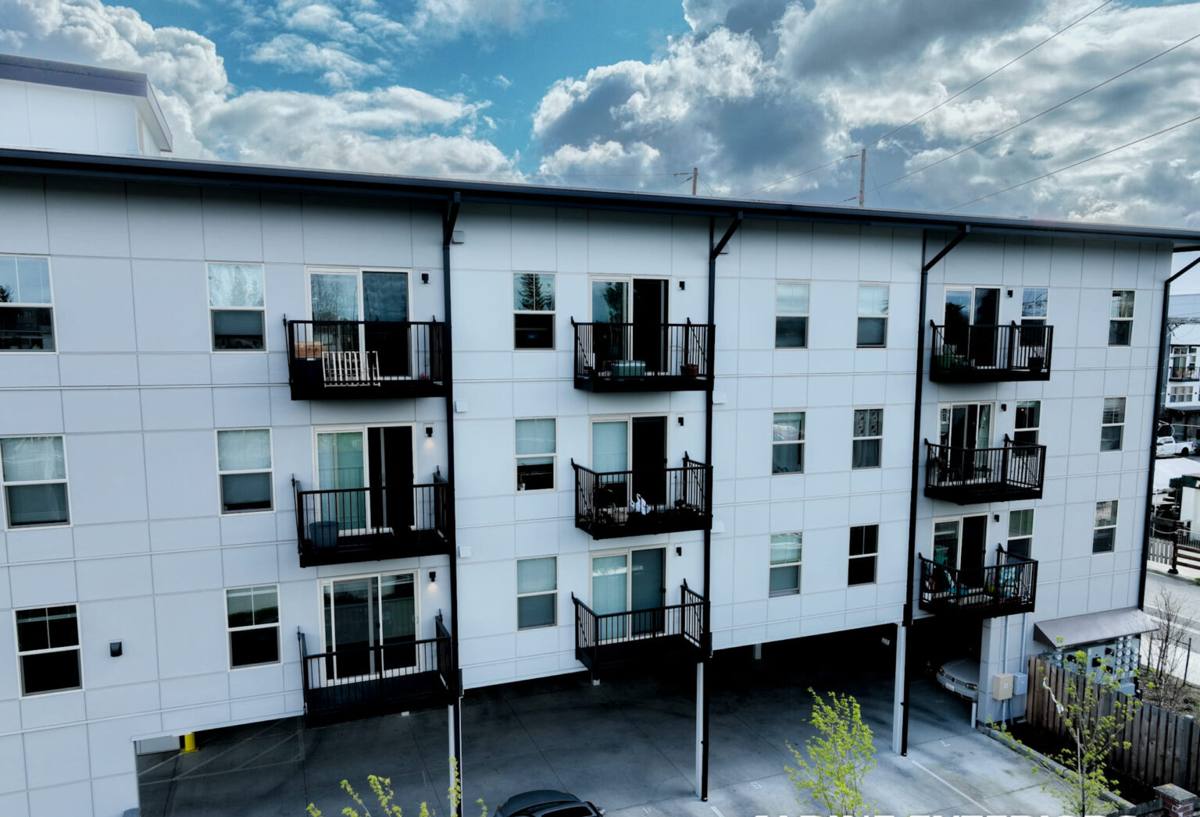
What Sudden Valley's Climate Does to Windows
Whatcom County weather is mild compared to a lot of the country, but "mild" doesn't mean easy on building materials. The combination of persistent moisture, wind-driven rain, and a long shoulder season of moss and shade is exactly the mix that finds every weak point in a window installation.
Driving Rain and Wind
Rain here rarely just falls straight down. Storms moving through the valley tend to come with enough wind to push water sideways into wall assemblies, which means a window's flashing and drainage plane matter as much as the window unit itself. A well-built window can still leak if the flashing behind it wasn't lapped correctly or if the sill wasn't sloped to shed water outward instead of pooling against the frame.
Salt Air and Moisture
Homes closer to the water deal with a steady low-level exposure to salt-laden air. Over years, that air accelerates corrosion on unprotected fasteners and hardware, and it speeds up the breakdown of caulks and sealants that aren't rated for coastal-adjacent conditions. It's not dramatic damage you'll notice overnight — it's a slow erosion of the seals that keep water out, which is why sealant choice and hardware quality matter more here than in a drier inland market.
Moss and Shade Season
Between the tree cover and the region's long stretch of overcast, damp months, moss and algae growth is a fact of life on north-facing and shaded elevations. On windows, that shows up as green growth building up in sill tracks, weep holes, and trim joints. Left alone, trapped moss holds moisture against wood and vinyl surfaces far longer than open air would, which shortens the life of both the window and the trim around it.
Signs an Acme Home May Need New Windows
Most window failures don't announce themselves — they show up as small, easy-to-dismiss symptoms first. Worth checking for:
- Fogging or a visible haze between panes of double-pane glass (a sign the seal has failed and the insulating gas has escaped)
- Soft, discolored, or spongy trim and sill wood around the window frame
- Visible daylight or a draft felt at the frame edge when it's windy outside
- Windows that are difficult to open, close, or latch — often a sign the frame has shifted or swollen
- Moss or persistent green staining building up in the sill track or weep holes
- A musty smell near windows that doesn't go away with cleaning
- Noticeably higher heating bills without another clear cause
Any one of these on its own isn't necessarily an emergency, but a few together usually mean the window's ability to manage water and air has broken down.
What a Correct Window Installation Actually Involves
The window unit itself gets most of the attention, but in this climate, the installation details around it are what determine whether the job lasts. A quality install and a shortcut install can use the exact same window and still perform completely differently ten years later.
Flashing and Water Management
Every opening needs a sill pan to catch and direct any water that gets past the exterior cladding, along with flashing tape or membrane integrated correctly with the house wrap above and around the opening — lapped so water is always directed outward and downward, never trapped behind the siding. This is the single most important part of the job for a wet climate like ours, and it's also the part that's invisible once the trim goes back on, which is exactly why it has to be done right the first time.
Air Sealing and Insulation
The gap between the window frame and the rough opening needs to be sealed and insulated — typically with a low-expansion foam or backer rod and sealant — without over-packing it, which can bow the frame and cause the window to operate poorly. Done correctly, this stops drafts and cuts down on condensation forming on interior trim during our colder, damper months.
Exterior Sealant and Trim Detail
The exterior caulk joint is a maintenance item, not a permanent seal — it should be applied with a sealant rated for exterior/coastal exposure, and it should be checked periodically. Trim should be back-primed or sealed on all sides, not just the visible face, since moisture wicking up from behind is a common cause of premature trim rot in this area.
Window Materials and Types: What Fits This Climate
There's no single "correct" window material for every home, but some perform more predictably than others in a wet, salt-influenced, moss-prone environment. The table below covers the trade-offs we walk homeowners through.
| Material | Moisture Behavior | Maintenance | Typical Lifespan |
|---|---|---|---|
| Vinyl | Won't rot; performs well in wet climates | Low — occasional cleaning | 20-30+ years |
| Fiberglass | Very stable, resists expansion/contraction from moisture and temperature | Low | 30-40+ years |
| Wood-clad | Good if cladding and seals stay intact; exposed wood interior needs protection from condensation | Moderate — watch seals and joints | 20-30 years with upkeep |
| Aluminum | Conducts cold and can condensate more in our damp winters unless thermally broken | Low-moderate | 20-30 years |
For most Acme homes, vinyl or fiberglass frames make sense because they don't give moisture and salt air anything to work on the way exposed wood can. That said, we install to match the home — a historic or high-end wood-clad home may be worth the added upkeep for the look, as long as the homeowner understands the maintenance commitment. We won't push a product that fights the climate just because it's popular elsewhere; the right call depends on the specific home, its exposure, and how much upkeep the owner wants to take on.
Glass Package Considerations
Double-pane, low-E glass is the standard baseline for this region and handles our mild-but-damp winters well. Triple-pane adds cost and weight for a modest efficiency gain that matters more in colder inland climates than it typically does here — we'll tell you honestly if it's worth it for your specific home rather than upselling it as a default.
Our Installation Process
- On-site assessment — we inspect existing windows, sheathing condition around openings, and any signs of past water intrusion before quoting anything.
- Measurement and product selection — exact openings are measured, and we walk through material, glass, and style options suited to that elevation's sun and rain exposure.
- Removal and opening inspection — old windows come out and we check the rough opening and sheathing for hidden rot or damage before anything new goes in.
- Sill pan and flashing installation — water management is built in before the new window ever gets set.
- Window setting and shimming — the unit is leveled, plumbed, and squared so it operates smoothly and seals evenly.
- Insulation, sealant, and trim — the gap is sealed, exterior caulk is applied, and trim is finished and protected.
- Final walkthrough — every window is opened, closed, and checked for a clean operation and tight seal before we call it done.
Cost Factors to Expect
Every home is different, but the main variables that move a window installation quote up or down are consistent. Broad ranges depend heavily on window count, size, and material — a full home replacement is a different conversation than a handful of problem windows.
| Factor | Why It Affects Cost |
|---|---|
| Number and size of windows | More and larger openings mean more material and labor |
| Material (vinyl vs. fiberglass vs. wood-clad) | Frame material is a major cost driver, both in the unit and long-term upkeep |
| Condition of the existing opening | Hidden rot or damaged sheathing found during removal adds repair work |
| Access and elevation | Second-story or hard-to-reach windows take more time and equipment |
| Glass package | Upgraded low-E coatings or gas fills add cost for efficiency gains |
We give straightforward, itemized estimates so you can see exactly what's driving the number — no vague lump-sum pricing.
Why It Matters to Hire a Crew That Already Works Acme
A window installer who mainly works drier inland areas isn't necessarily going to detail flashing and sealant the same way a crew that works this specific stretch of Whatcom County does day in and day out. Knowing how wind-driven rain moves against Acme's homes, how much shade certain elevations hold onto through the year, and how quickly moss builds up on north-facing sills isn't something you learn from a manual — it's something you learn from doing the work here repeatedly. That local pattern recognition is what tells a crew to spend extra time on a flashing detail that looks fine on paper but wouldn't hold up against a real Sudden Valley storm.
There's also a practical side: a crew already working in the area can typically schedule more efficiently, is familiar with the kinds of construction common to local homes, and has an established reputation in the community rather than a one-off job history.
Get a Free, No-Pressure Estimate
If you're noticing drafts, fogged glass, sticking sashes, or moss buildup on your windows, it's worth having a local crew take a look before small issues turn into bigger repairs. Fill out the form below for a free estimate on window installation for your Acme home — no pressure, just an honest assessment of what your home actually needs.