 Sudden Valley Siding
 Windows in Geneva Take a Different Kind of Beating
Homes in the Geneva area, tucked along the north end of Lake Whatcom near Sudden Valley, deal with a specific combination of weather that doesn't show up the same way in drier parts of Washington. Salt-laden air moving inland off the Sound corrodes metal hardware and window frames faster than homeowners expect. Driving rain, pushed sideways by wind off the lake and the surrounding hills, finds every weak seal and gap in old flashing. And the long, wet stretch of fall through spring keeps moss and algae established on north-facing trim and sills for months at a time. None of this is dramatic on its own, but stacked together over ten or fifteen years, it's exactly what wears out window seals, swells wood sashes, and lets moisture creep into framing that was never properly protected in the first place.
We work on homes throughout Whatcom County, and Geneva properties tend to show a consistent pattern: windows that look fine from the driveway but are failing quietly at the flashing, the sill, or the seal between the sash and frame. Catching that early — or better, building it out correctly the first time with a replacement — is the difference between a window that lasts twenty-plus years and one that needs attention again in five.
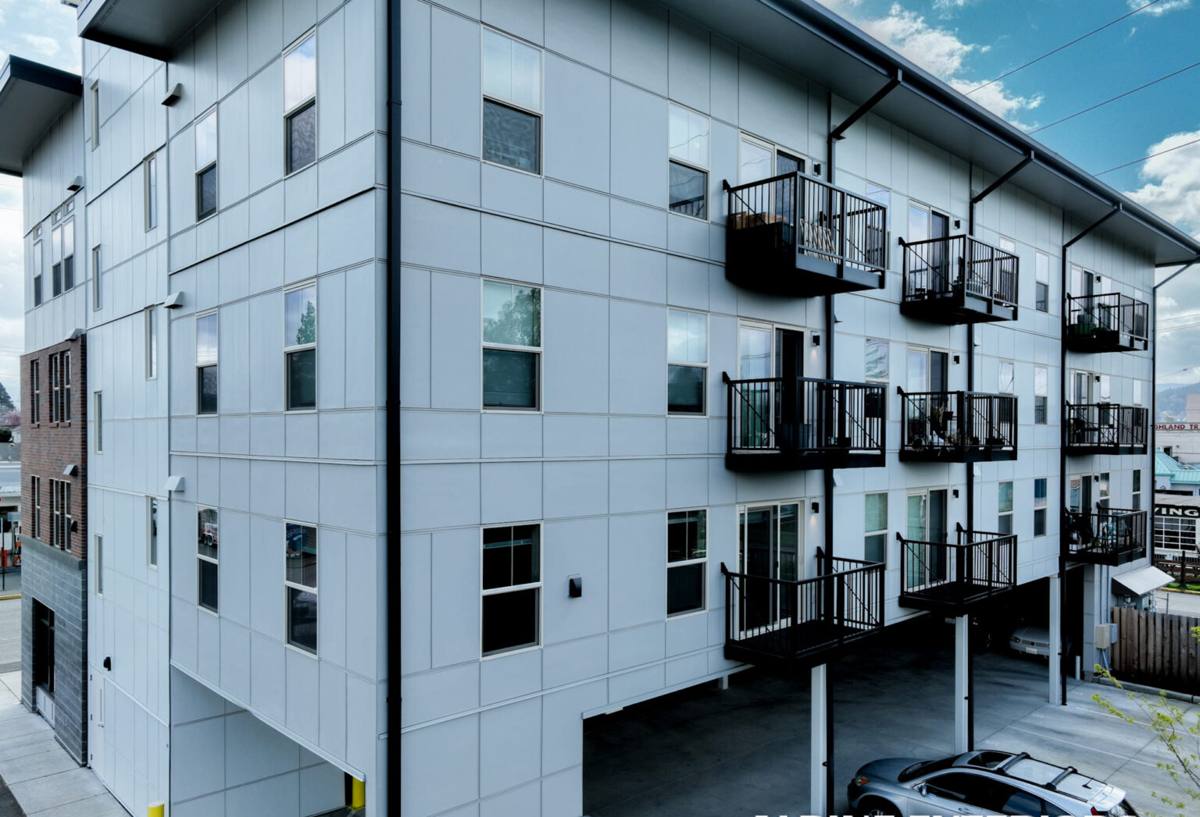
Signs a Geneva Home's Windows Are Overdue
Most window failures don't announce themselves with a cracked pane. They show up as small, easy-to-dismiss symptoms first. Worth checking for before winter each year:
- Fogging or a permanent haze between double-pane glass — the seal has failed and the gas fill is gone
- Soft or spongy wood at the sill or lower frame corners, especially on the sides that catch the most weather
- Visible moss or dark streaking on trim that doesn't clean off, a sign moisture is staying put longer than it should
- Drafts you can feel near the frame even with the window latched, not just at the edges of the sash
- Windows that stick, won't stay open, or need force to latch — frames have swelled or warped from repeated wet/dry cycles
- Paint or finish that's peeling specifically around the window opening rather than the wall field
- A noticeable jump in heating costs with no other explanation
Any one of these can be a minor fix. Two or three together, especially on the same window, usually means the unit is past the point where caulk and weatherstripping solve the problem.
What a Correct Window Replacement Actually Involves
Removal and Inspection
The old window comes out carefully so we can see the framing underneath before anything new goes in. This is the step that gets skipped on rushed jobs, and it's the one that matters most in a climate like this. Rot, soft sheathing, or old failed flashing needs to be dealt with before a new window is installed — sealing a new window over a compromised opening just hides the problem for a few more years.
Flashing and Moisture Barrier
This is where most long-term window failures actually start, and it's invisible once the job is finished. Proper flashing directs any water that gets past the window itself back out and away from the framing, using a shingled, overlapping sequence with the house wrap so water always has a path downward and out. Given how much driving rain this area sees, we don't treat this as optional or "good enough with caulk." Caulk fails; correctly lapped flashing doesn't rely on a sealant staying intact for two decades.
Insulation and Air Sealing
The gap between the new window frame and the rough opening gets insulated, not just caulked at the interior trim. Left empty, that gap is a direct path for both cold air and moisture-laden air to move in and out, which speeds up both energy loss and condensation problems inside the wall.
Installation and Finish
The window gets shimmed level and plumb, fastened per the manufacturer's specification, and the exterior trim and sealant joints are finished to shed water rather than trap it. Interior trim and paint or stain are matched back so the finished opening looks original to the house, not obviously patched.
Choosing the Right Window for This Climate
Material choice matters more here than in a dry inland climate, because whatever you choose has to hold up to sustained moisture exposure and salt-influenced air, not just occasional weather. Here's how the common options compare for a Geneva-area home:
| Material | Moisture Resistance | Maintenance | Typical Lifespan |
|---|---|---|---|
| Vinyl | Excellent — won't rot, swell, or corrode | Low; occasional cleaning | 20–30 years |
| Fiberglass | Excellent — dimensionally stable in wet/dry cycles | Low | 30–40 years |
| Wood, unclad | Poor without diligent upkeep — prone to swelling and rot near a lake environment | High; refinishing every few years | Varies widely with maintenance |
| Wood-clad (aluminum or vinyl exterior) | Good on the exterior face; interior wood still needs monitoring at joints | Moderate | 25–35 years with upkeep |
| Aluminum | Fair — prone to condensation and cold transfer unless thermally broken | Low, but corrosion risk near salt air without a quality finish | 20–30 years |
We're honest with homeowners about this: unclad wood windows look great, but in a climate with this much sustained moisture and a long moss season, they demand upkeep most people don't stay on top of. That's not a knock on wood as a product — it's a maintenance-burden conversation we'd rather have upfront than after a client's sills are soft in year six. Vinyl and fiberglass carry that weather load with far less attention, which is why they're what we recommend for most full-replacement jobs in this area.
Glass Package Matters as Much as the Frame
For this region, we typically steer clients toward dual-pane units with a low-E coating and argon fill as the baseline — it cuts heat loss and reduces condensation risk on cold, wet mornings, which is common around the lake. Triple-pane is worth discussing for north-facing rooms or homes right along the water where wind-driven cold is more of a factor, though it adds cost and weight that isn't always necessary everywhere on a house.
Our Process, Start to Finish
- Free on-site estimate — we look at each window individually, not just from a price-per-unit sheet, since condition varies a lot window to window on older homes
- Written scope and quote — materials, flashing approach, and timeline spelled out before any commitment
- Scheduling around weather — we plan installs for dry windows where possible, since an open wall in driving rain is exactly the situation you're trying to avoid
- Removal, inspection, and any framing repair — done and discussed with you before new windows go in, no surprise change orders hidden until the invoice
- Installation, flashing, and insulation per manufacturer spec and best practice for this climate
- Interior and exterior finish work to match the rest of the home
- Final walkthrough — every window operated and checked with you before we call the job done
What Affects the Cost
Every home is different, but the factors that move the price most are consistent. Rather than quote a number that won't apply to your house, here's what actually drives it:
| Factor | Why It Matters |
|---|---|
| Number and size of windows | Larger openings and more units mean more material and labor |
| Frame material and glass package | Vinyl vs. fiberglass vs. wood-clad, and single- vs. triple-pane glass, span a wide cost range |
| Condition of existing framing | Rot or moisture damage found during removal adds repair scope you can't always see beforehand |
| Full-frame vs. insert replacement | Full-frame replaces flashing and the rough opening treatment; inserts reuse the existing frame and cost less but inherit any hidden issues in it |
| Access and site conditions | Second-story windows, tight lake-side lots, or limited staging area add labor time |
Why Hire a Crew That Already Works This Area
Window replacement done right depends on understanding what the local weather actually does to a house over time, not just installing to a generic spec sheet. A crew that already works in Sudden Valley and the Geneva neighborhood has seen how flashing fails on lake-facing exposures, which trim details hold up to sustained moss growth, and which materials are worth the extra cost here versus which ones just look good on paper. That local pattern recognition catches problems during the estimate — soft framing, a marginal roofline detail feeding water toward a window, an old install that was never properly flashed — before they turn into a mid-project surprise.
It also means realistic scheduling. We know this area's wet season isn't a two-week inconvenience; it shapes when window work should and shouldn't happen, and we plan around it rather than promising a timeline that ignores it.
Protecting Your Investment Through Moss Season
New windows, installed correctly, need very little from you. Rinse pollen, moss spores, and grime off the exterior a couple of times a year, especially on north- and lake-facing units where growth takes hold fastest. Check that weep holes at the bottom of the frame stay clear so water can drain out rather than pool. Look at exterior caulk lines once a year for cracking or separation, since that's the first place a small problem shows up. Beyond that, a properly flashed and installed window in vinyl or fiberglass is built to handle this climate without babying.
If your windows are drafty, fogged, sticking, or just old enough that you're wondering, we're glad to take a look. Estimates are free, there's no pressure to commit, and you'll get a straight answer about whether replacement makes sense now or repair can hold you over — use the form below to get started.