 Sudden Valley Siding
 Deck Replacement for Yew Street Homes in Sudden Valley
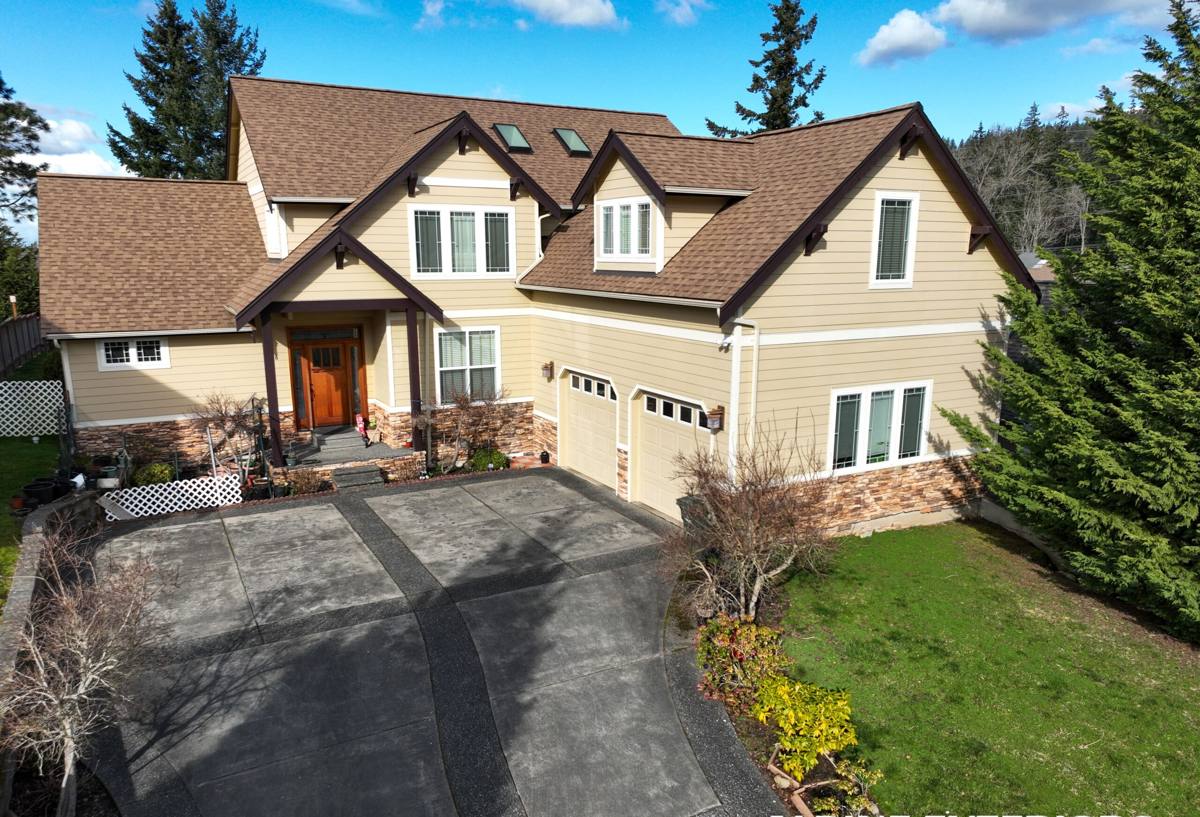
Yew Street sits inside one of the more heavily wooded pockets of Sudden Valley, and that changes what a deck needs to survive here compared to a deck on an open, sun-exposed lot elsewhere in Whatcom County. Tree cover means shade, and shade means a deck stays damp longer after every rain. Add in the marine-influenced humidity that sits over the whole region and a long stretch of the year where moss and algae simply don't dry out, and you have a structure that ages differently than the brochure photos suggest. A deck replacement here isn't just swapping old boards for new ones — it's rebuilding the structure to actually handle the conditions it lives in.
We've worked on homes throughout this neighborhood and the surrounding Sudden Valley community, and the pattern repeats itself: decks that were built to a generic spec, in a generic location, without much thought given to the moisture load of a lakeside, tree-shaded lot. When we replace a deck on Yew Street, we're not guessing at what's going on underneath — we already know what this climate does to framing, fasteners, and decking surfaces over ten or fifteen years.
Why Local Decks Wear Down the Way They Do
Moss, Shade, and Standing Moisture
Decks under mature conifers rarely get a full afternoon of direct sun, especially on the north or east side of a house. Without that drying window, moss and algae get a foothold on the decking surface and in the gaps between boards. Beyond the obvious slip hazard, moss holds moisture directly against the wood or composite surface far longer than open rainfall alone would, which accelerates rot in real wood decking and speeds up surface wear on lower-grade composite products.
Marine Humidity and Metal Fasteners
Whatcom County's proximity to Puget Sound means the air carries more moisture and salt-tinged humidity than an inland climate would, and that has a direct effect on anything metal. Nails, screws, and joist hardware that aren't rated for the job will corrode faster than homeowners expect, and once a fastener weakens, it's not just cosmetic — it's a structural question.
Driving Rain and Hidden Rot
The Pacific Northwest doesn't get hurricane-force storms, but it gets long, sustained, wind-driven rain that finds every gap in flashing, every under-sized fastener, and every spot where water was never given a path to drain. The damage from this kind of weather is usually invisible from the top of the deck. It shows up at the ledger board, the point where the deck attaches to the house, and in the framing underneath — exactly the places a surface-level repair can't reach.
What Actually Fails First on an Older Deck
When we tear into an aging deck in this area, the failure points are consistent enough that we can usually predict what we'll find before we start:
- Rot at the ledger board where it meets the house, especially if the original flashing was missing or installed poorly
- Corroded or rusted-through joist hangers and fasteners, particularly on decks built before corrosion-resistant hardware became standard practice
- Soft or delaminating decking boards in shaded areas that never get enough sun to dry out between rains
- Undersized or rotted support posts, especially where they sit close to grade without proper footing or moisture separation
- Moss and algae buildup that's more than cosmetic — it's often masking soft or checked wood underneath
- Railings that have loosened at their posts, which is a safety issue as much as a cosmetic one
A homeowner walking the deck often notices the surface issues — soft boards, slippery moss, a wobbly rail — and assumes the fix is cosmetic. Very often the real problem is underneath, in framing and connections that were never built to handle this much sustained moisture.
What a Correct Deck Replacement Involves
Ledger Board and Flashing
The ledger connection is the single most important detail on any deck attached to a house, and it's the detail most likely to have been done wrong or skipped entirely on an older build. A correct replacement means removing the old ledger, inspecting and repairing the rim joist and sheathing behind it for hidden rot, and installing proper flashing — typically a self-adhered membrane combined with metal flashing — so water is directed away from the house structure instead of into it.
Framing and Fasteners
Modern pressure-treated lumber uses chemical preservatives that are more corrosive to standard fasteners than older treatments were. That means joist hangers, structural screws, and connectors need to be rated for contact with treated lumber — hot-dip galvanized at minimum, stainless steel in wetter or more exposed spots. We also make sure joist spacing and post footings are sized correctly for the decking material going on top and for the frost depth in this area, not just whatever the old deck happened to use.
Drainage and Ventilation
A deck that can't shed water and can't breathe underneath will stay damp regardless of how good the materials are. Proper board spacing, grading away from the house, and keeping the underside of the deck ventilated rather than boxed in tight all matter more here than they would in a drier climate.
Decking Material Choice
There's no single right answer for every lot — a sun-exposed deck and a shaded, tree-covered one can reasonably make different choices. Here's how the common options compare for a climate like this:
| Material | Moss/Moisture Resistance | Maintenance | Notes for Shaded Lots |
|---|---|---|---|
| Pressure-Treated Wood | Moderate — depends on upkeep | Regular cleaning and periodic sealing | Budget-friendly, but needs the most attention in shade |
| Cedar | Good natural resistance, but surface still needs care | Periodic cleaning and refinishing | Attractive appearance, softer surface than composite |
| Composite | Strong resistance to rot; surface can still grow moss/mildew film | Occasional washing, no sealing/staining | Best long-term option for consistently shaded, damp areas |
Whichever material a homeowner chooses, the framing underneath and the fasteners holding it together matter just as much as the surface material — a composite deck built on undersized, poorly flashed framing will still fail early.
Permits, Codes, and Community Guidelines
Deck replacements in Whatcom County typically require a building permit, and inspections along the way confirm that footings, framing, and railings meet current code — including railing height and baluster spacing requirements, which are frequently out of date on older decks. We handle this as part of the job rather than treating it as an afterthought.
Many homes in Sudden Valley are also part of the community association, which can mean a design or exterior-change review before work begins. Roads within the community are often privately maintained as well, which affects how equipment and materials get staged and delivered. None of this is complicated, but it's easy for a crew unfamiliar with the neighborhood to lose a week just figuring it out — time that should be spent building the deck.
Our Process for a Yew Street Deck Replacement
- On-site assessment: we inspect the existing deck, ledger connection, framing, and posts to find out what's actually happening underneath, not just what's visible on the surface
- Straightforward proposal: a clear scope of work covering framing repairs, flashing, fasteners, decking material, and railings — no vague allowances
- Permitting: we handle the Whatcom County permit and any required community association review before demolition starts
- Tear-out: full removal of the old deck surface, framing, and any compromised structural members
- Rebuild: corrected ledger flashing, corrosion-rated hardware, properly spaced and sized framing, and new decking installed to promote drainage and airflow
- Railings and finishing details: installed to current code, checked for solid attachment
- Final walkthrough: we go over the finished deck together and cover basic care for this climate before we consider the job done
Why Hiring a Crew That Already Works This Neighborhood Matters
A deck replacement isn't just carpentry — it's carpentry done correctly for a specific set of conditions. A crew that's worked other decks on Yew Street and elsewhere in Sudden Valley already understands the shade patterns, the moisture load, the community's process for exterior work, and the access realities of a hillside, tree-covered lot. That familiarity shows up in fewer surprises, fewer change orders, and a deck that's built for the lot it's actually on rather than a generic set of assumptions.
It also shows up in the details that are easy to skip when a crew is unfamiliar with an area — using the right fastener grade for this humidity, flashing the ledger correctly the first time, and sizing framing for conditions rather than the minimum the old deck happened to have.
Maintaining Your New Deck in This Climate
A correctly built deck still needs some seasonal attention in a climate like this. A short list of what actually keeps a deck in good shape here:
- Sweep debris and standing leaves off the surface regularly, especially under tree cover in fall
- Wash down moss and algae buildup at least once a year, more often on heavily shaded sections
- Check railings and stair connections annually for looseness
- Keep gutters and downspouts near the deck clear so water isn't dumping directly onto or under it
- Reseal or refinish wood decking on the schedule the product calls for — don't wait until it's visibly gray and worn
- Look underneath the deck occasionally for soft framing, rust streaks on hardware, or standing water
What Affects the Cost of a Deck Replacement
We don't think broad price ranges online are especially useful since every deck is different, but the main factors that move the number are worth understanding before you start budgeting:
| Factor | Why It Matters |
|---|---|
| Size and layout | Multi-level decks, stairs, and irregular shapes take more labor and material than a simple rectangle |
| Framing condition | Hidden rot at the ledger or posts can add repair work that isn't visible until tear-out begins |
| Decking material | Composite typically costs more up front than pressure-treated wood, less over time in maintenance |
| Railing style | Code-compliant railings range from simple to more custom designs, which changes both material and labor |
| Site access | Hillside lots and private-road access can affect staging and equipment logistics |
Most full deck replacements land somewhere between a modest wood rebuild and a larger, higher-end composite project with custom railings — the honest answer is that it depends on your specific deck, and that's exactly what an on-site estimate is for.
If your deck on Yew Street is showing moss, soft spots, or a rail that's not as solid as it used to be, we're happy to come take a look. The estimate is free, there's no pressure, and you'll get a straight answer about what your deck actually needs — just fill out the form below.