 Sudden Valley Siding
 Why Yew Street Homes Wear Out Siding Faster Than People Expect
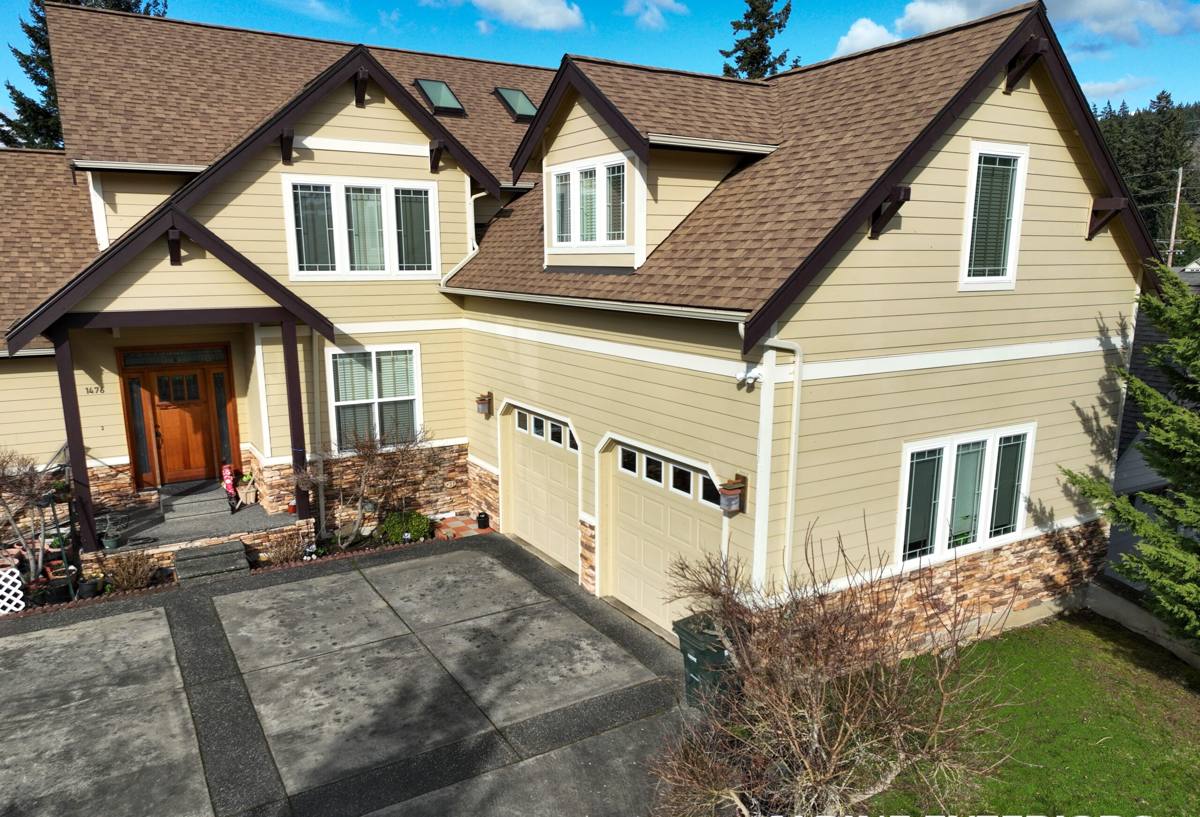
Homes around Yew Street sit inside one of the tougher microclimates a siding product can face in Whatcom County. Lake Whatcom moderates temperatures but adds humidity, the marine air moving in off the Puget Sound corridor carries salt that settles on exterior walls, and the tree cover that makes this part of Sudden Valley so pleasant to live in also means shaded, damp siding for a good chunk of the year. Add a moss season that can run from early fall through late spring, and you get a set of conditions that punishes any siding material with a weak point in its moisture defense.
We've replaced enough siding in this neighborhood to know the failure pattern isn't random. It shows up first on north-facing walls and anywhere tree canopy blocks direct sun, then spreads to butt joints, trim intersections, and the bottom courses closest to grade or landscaping beds that stay wet. Understanding that pattern is the difference between a replacement that solves the problem and one that just puts new material over the same design flaws.
What Salt Air, Driving Rain, and Moss Actually Do to Siding
Salt Air
Salt-laden moisture accelerates corrosion on fasteners, flashing, and any metal trim components. On siding materials that rely on paint film for protection, salt exposure also speeds up chalking and finish breakdown, which is why homes closer to the lake and open exposures tend to need repainting or refinishing sooner than homes further inland.
Driving Rain
Wind-driven rain doesn't just fall on a wall — it gets pushed sideways and upward into laps, seams, and fastener penetrations. Siding that isn't installed with the correct lap exposure, flashing, and drainage plane behind it will eventually let water past the surface layer, even if the surface itself looks fine.
Moss and Sustained Moisture
Moss doesn't just sit on top of siding — it holds moisture against the surface for extended periods, which is exactly the condition that causes swelling, delamination, and rot in moisture-sensitive materials. A long moss season means long stretches where siding never fully dries out between rain events.
Signs a Yew Street Home Needs Siding Replacement, Not Just Repair
- Soft, spongy, or crumbling spots when you press on the siding, especially near the bottom courses or below windows
- Paint that keeps failing in the same spots within a year or two of repainting
- Visible gaps, buckling, or warping at seams and corners
- Moss or dark staining that returns quickly after cleaning
- Rising energy bills paired with drafty rooms, which often points to a compromised weather barrier behind the siding
- Visible rot or staining on trim boards, especially around windows and at the base of walls
If you're only seeing surface dirt or moss on siding that's otherwise sound, a cleaning and inspection may be all that's needed. The signs above indicate the material itself, or what's behind it, has failed.
What a Correct Siding Replacement Involves
Full siding replacement is really a moisture-management project with a finish material on top. Skipping steps here is how a home ends up with the same rot problem five years later, just hidden behind new siding.
- Full tear-off and inspection — old siding comes off so the sheathing underneath can be inspected for rot, soft spots, or prior water damage. This step is where problems get caught before they're sealed back up.
- Sheathing repair — any compromised sheathing is cut out and replaced, not patched over.
- Weather-resistive barrier — a new drainage plane and water-resistive barrier go on correctly lapped, shingle-style, so water sheds down and out rather than working its way in.
- Flashing at every penetration — windows, doors, hose bibs, vents, and any other wall penetration get properly integrated flashing. This is the single most common place we find gaps in prior installations.
- Correct fastening and lap exposure — fastener type, placement, and lap dimensions follow the manufacturer's specification, not a shortcut version of it.
- Trim, caulking, and finish details — the parts that determine whether the job still looks sharp in ten years, not just on install day.
Why We Install Only James Hardie Fiber Cement
Given what salt air, driving rain, and moss do to exterior walls in this area, we standardized on James Hardie fiber cement siding rather than vinyl, LP SmartSide, or other wood-based products. Fiber cement is non-combustible, doesn't swell or delaminate from moisture exposure the way engineered wood products can, and holds up under sustained damp conditions better than materials that depend on an intact paint film to stay protected.
Hardie's ColorPlus factory finish is baked on under controlled conditions, which gives it better fade and wear resistance than field-applied paint — a real advantage on a wall that only gets a few hours of direct sun a day. Hardie also engineers specific product lines (HZ5, for example) for regions with more moisture and temperature swing, which lines up with what Whatcom County exterior walls deal with. We back this up further with the manufacturer's transferable warranty, which matters if you sell the home before the siding's useful life is up.
Our Process for a Yew Street Siding Replacement
1. On-Site Assessment
We walk the exterior, check moisture-prone areas first — north walls, shaded sections, anywhere near mature trees or landscaping beds — and look at trim, flashing, and grading around the foundation.
2. Written Scope and Estimate
You get a clear breakdown of what's being replaced, what Hardie product and profile we're recommending, and why, before any work starts.
3. Tear-Off and Sheathing Inspection
This is where hidden problems get found. We document anything we discover and talk through options before covering it back up.
4. Weather Barrier and Flashing Installation
The unglamorous part of the job that determines whether the siding lasts. We don't shortcut this step regardless of schedule pressure.
5. Hardie Siding Installation
Installed to manufacturer spec for fastening, lap exposure, and clearances — including the ground and roofline clearances that matter most in a wet climate.
6. Final Walkthrough
We go over the finished work with you, including basic care and what to watch for over the first year or two.
Cost Factors for Siding Replacement in This Area
| Factor | Why It Matters Here |
|---|---|
| Extent of hidden sheathing damage | Long moss season and driving rain increase the odds of finding rot once old siding comes off |
| Wall exposure and complexity | Shaded, north-facing, or tree-adjacent walls often need more flashing detail and drainage attention |
| Siding profile and trim choice | Wider trim, accent boards, and specific lap reveals affect material and labor |
| Home size and number of stories | Affects scaffolding, access, and total material needed |
| Existing moisture or drainage issues | Grading, gutter, or landscaping corrections sometimes needed alongside siding to prevent repeat problems |
Because so much of the real cost depends on what's found once old siding is removed, we avoid quoting firm numbers without an in-person look. Broad ranges without an inspection tend to be more misleading than useful.
Why a Crew That Already Works Yew Street Is Worth Choosing
A contractor who regularly works this part of Sudden Valley already knows where moisture problems tend to hide on these homes, how the tree cover and lake humidity affect drying time between install steps, and which flashing details matter most on this kind of exposure. That's not something you can fully substitute with a generic install crew working from a national playbook, no matter how skilled they are in general. Local experience shows up in fewer callbacks and a job that's built for the actual conditions the home faces, not average conditions somewhere else in the county.
Caring for Your New Siding
- Rinse siding periodically to remove moss spores and organic buildup before they take hold, especially on shaded walls
- Trim back tree branches and shrubs that keep siding shaded and damp
- Check caulking at trim and penetrations yearly and touch up as needed
- Keep gutters clear so overflow doesn't run down the wall face
- Watch for any soft spots or staining early — catching an issue at the surface is far cheaper than catching it after it reaches the sheathing
Get a Straightforward Look at Your Home
If your Yew Street home is showing any of the wear signs above, or you just want an honest read on how much life is left in your current siding, we're happy to take a look. There's no pressure and no obligation — just a clear picture of what your home actually needs, using a form below.