 Sudden Valley Siding
 Why Decks Near Cordata Wear Out Faster Than People Expect
A deck in Cordata doesn't fail because the homeowner neglected it. It fails because Whatcom County weather is genuinely hard on outdoor structures, and most decks weren't built with that weather in mind. Long stretches of driving rain, a moss season that can run from fall through spring, and enough salt-laden air moving in off the water to accelerate corrosion on fasteners and hardware — all of it adds up faster than a deck built to a generic national spec can handle.
We work Cordata regularly, alongside the rest of the Sudden Valley area, and the pattern is consistent: decks that look fine from the yard often have soft framing, rusted connectors, or trapped moisture underneath by the time they're 12 to 18 years old. Replacement isn't about upgrading for looks. It's about correcting what the original build didn't account for.
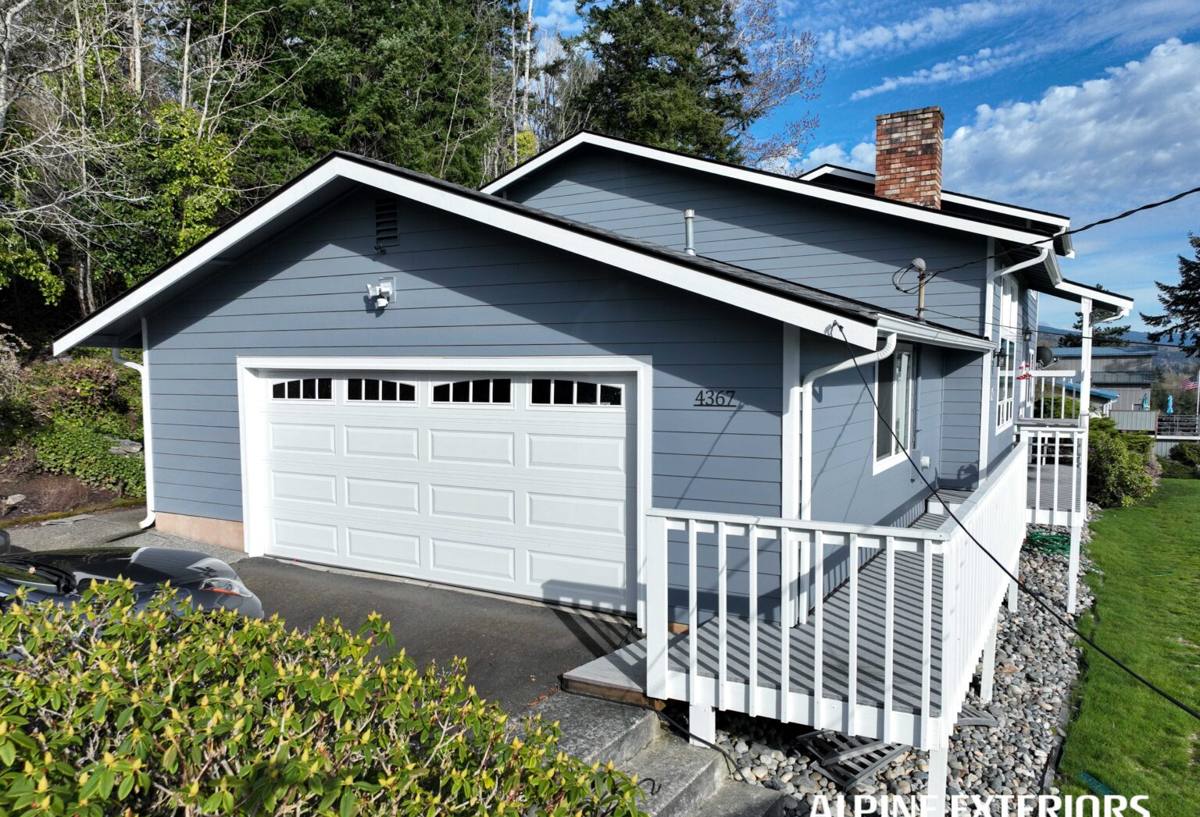
Deck Replacement vs. Deck Repair — Knowing Which One You Need
Not every tired-looking deck needs a full teardown. But there's a point where patching boards stops being a real fix and starts being a way to delay the inevitable while the structure underneath keeps degrading. Replacement is the right call when the problem is in the frame, not just the surface.
- Repair territory: a handful of cracked or splintered boards, loose railing balusters, surface graying, isolated fastener pops.
- Replacement territory: soft or spongy decking across multiple boards, rot at the ledger board connection, rusted or failing joist hangers, footings that have shifted or heaved, or a structure that predates current code for ledger attachment and guardrail spacing.
- Gray area worth an honest look: a deck under 10 years old with isolated rot — sometimes this points to one bad flashing detail that can be corrected without a full rebuild.
We'll tell you straight which category your deck falls into. There's no reason to sell a full replacement to a homeowner who only needs targeted repair, and no reason to keep patching a frame that's already compromised.
Where a Whatcom County Deck Actually Fails First
The Ledger Board Connection
This is the single most common failure point on decks in this region, and it's almost never visible until you pull decking boards or siding back. The ledger board — where the deck attaches to the house — sits behind the siding, and if the original flashing was skipped or installed wrong, rain works its way behind it year after year. In a climate with as much sustained wet weather as ours, that slow leak rots the ledger and the rim joist behind it long before anything looks wrong on the surface.
Fasteners and Metal Connectors
Standard hot-dip galvanized hardware holds up fine in a lot of the country. Closer to the water, with salt-influenced air in the mix, it corrodes faster than homeowners expect. Rusted joist hangers and fastener heads that have lost their coating are a reliable sign that the original build used general-purpose hardware instead of hardware rated for coastal or ACQ-treated lumber exposure.
Footings and Post Bases
Ground movement from repeated saturation and drying cycles can shift undersized or shallow footings over time. A deck that's developed a slight bounce, a rail post that's gone slightly out of plumb, or boards that no longer sit flush at the seams often traces back to a footing problem, not a surface problem.
Moss and Trapped Moisture
Moss doesn't just look bad — it holds moisture against the decking surface for months at a time, especially on north-facing or shaded sections of a deck that don't get enough sun to dry out between rain events. Left long enough, that constant damp accelerates rot in the boards themselves and in the joists underneath.
Choosing the Right Decking Material for This Climate
Material choice matters more here than in drier climates, because the deck spends more of the year wet than dry. Here's how the main options compare for a Cordata-area rebuild:
| Material | How It Handles Our Wet Season | Maintenance | General Cost Position |
|---|---|---|---|
| Pressure-treated wood | Good if properly sealed and re-coated; absorbs moisture without protection | Annual cleaning and periodic sealing/staining | Lowest upfront cost |
| Cedar | Naturally rot-resistant but still needs sealing in constant rain exposure | Regular sealing to maintain color and resistance | Mid-range |
| Composite decking | Doesn't absorb water or rot; can still grow surface moss/algae if not cleaned | Occasional washing, no sealing or staining needed | Higher upfront, lower long-term upkeep |
| PVC/capped polymer | Fully moisture-resistant surface, best resistance to mold and algae staining | Lowest maintenance of the group | Highest upfront cost |
There's no universally "correct" answer — it depends on your budget, how much upkeep you're willing to do, and how long you plan to stay in the home. What matters more than the brand of decking board is what's underneath it: framing lumber, fasteners, and flashing rated for sustained wet exposure, installed correctly regardless of which surface material sits on top.
A Note on Composite and PVC Installation
Composite and PVC boards are more forgiving against rot, but they're less forgiving of installation mistakes. They expand and contract with temperature more than wood, so gapping, fastening spacing, and blocking at seams all have to follow the manufacturer's spec closely or you end up with buckling, board movement, or voided warranty coverage. We follow those specs — it's the difference between a composite deck that lies flat for twenty years and one that starts waving within five.
Our Deck Replacement Process
1. On-Site Assessment
We look at the whole structure, not just the decking surface — ledger connection, framing, footings, and any moisture damage to the house itself where the deck attaches. This is also where we tell you honestly whether you need full replacement or something less.
2. Tear-Off and Structural Inspection
Once the old decking and railings come off, we can see the framing directly. This is the point where hidden rot, corroded hardware, or ledger damage actually gets confirmed — and where the scope of work gets finalized if anything unexpected turns up.
3. Ledger Flashing and Framing Correction
Any ledger board connection that isn't properly flashed against the house gets corrected as part of the rebuild. This step gets skipped more often than it should on budget jobs, and it's the single biggest factor in how long the new deck lasts.
4. New Framing, Footings, and Hardware
Joists, beams, and posts go in sized to current code, with corrosion-resistant hardware suited to our climate — not general-purpose galvanized fasteners that will start rusting within a few wet seasons.
5. Decking, Railing, and Finish Work
Decking goes down per the manufacturer's fastening and spacing spec if it's composite or PVC, or properly gapped and finished if it's wood. Railings are set to current guardrail and baluster spacing requirements, which is a common miss on older decks.
6. Final Walkthrough and Inspection
We walk the finished deck with you, and any required building department inspection gets scheduled and closed out before we consider the job done.
Permits and Code Realities in Whatcom County
Deck replacement in this area typically requires a permit once you're rebuilding the structure rather than just swapping surface boards, and inspections generally check ledger attachment, footing depth, and guardrail compliance. This isn't paperwork for its own sake — it's the same set of checkpoints that catch the exact failure points this climate causes. A local crew that pulls permits routinely in this jurisdiction knows what the inspector will look for and builds to that standard the first time, instead of failing inspection and re-opening finished work.
Signs Your Cordata Deck Needs Replacing Now, Not Later
- Decking boards feel soft, spongy, or flex noticeably when you walk across them
- Visible gaps, rust streaks, or corrosion around joist hangers and fasteners underneath the deck
- The deck feels like it moves or bounces more than it used to, especially near the house connection
- Moss or dark staining that returns within weeks of cleaning, particularly on shaded sections
- Railings or posts that have gone slightly out of plumb or feel loose at the base
- Any sign of water staining or soft trim on the house siding directly behind the deck's ledger board
- The deck is 15+ years old and has never had the framing inspected, only the surface refinished
If more than one of these applies, it's worth having someone look at the framing before spending more money on surface-level fixes.
Why a Crew That Already Works Cordata Matters
A lot of what makes a deck last here isn't exotic — it's getting the ordinary details right for this specific climate: flashing that actually sheds water away from the ledger, hardware that won't corrode in a few seasons, framing sized and treated for a long wet season rather than an average one. A crew that works this area regularly has already seen which builds hold up and which ones don't, because we've been the ones called back to fix the ones that didn't.
There's also the practical side — being local means we're available for warranty follow-up without a long drive, we're used to scheduling around this area's weather windows rather than fighting them, and we're familiar with the local permitting process instead of learning it on your project.
Getting the Timing Right
Deck replacement in this region is easier to schedule and execute correctly during drier stretches of the year, but it's not something you have to wait for a specific season to plan. Framing work in particular goes better with fewer wet-weather interruptions, which is why we recommend getting on the schedule ahead of the busiest months rather than waiting until a board finally gives out under someone's foot.
If your deck is showing any of the signs above, or you just want an honest read on whether you're looking at repair or full replacement, we're happy to come take a look. Estimates are free, there's no pressure, and you'll get a straight answer either way — use the form below to get started.