 Sudden Valley Siding
 Why Window Installation in Deming Is Different
Deming sits inland along the Nooksack River, in the shadow of the Mt. Baker foothills, and that location gives it a climate personality of its own within Whatcom County. Homes here deal with the same driving rain and long moss season that hits the rest of the region, but they also see wider temperature swings between the valley floor and the higher ground nearby, and more standing humidity from the river corridor. Windows in this setting aren't just a comfort upgrade — they're one of the first lines of defense against moisture working its way into wall assemblies that stay damp for months at a time.
A window that's a good fit for a dry inland climate isn't automatically a good fit for a river valley in western Washington. The flashing details, the sealant choices, and even the frame material all need to account for how much water this area sees and how long it takes to dry out between storms.
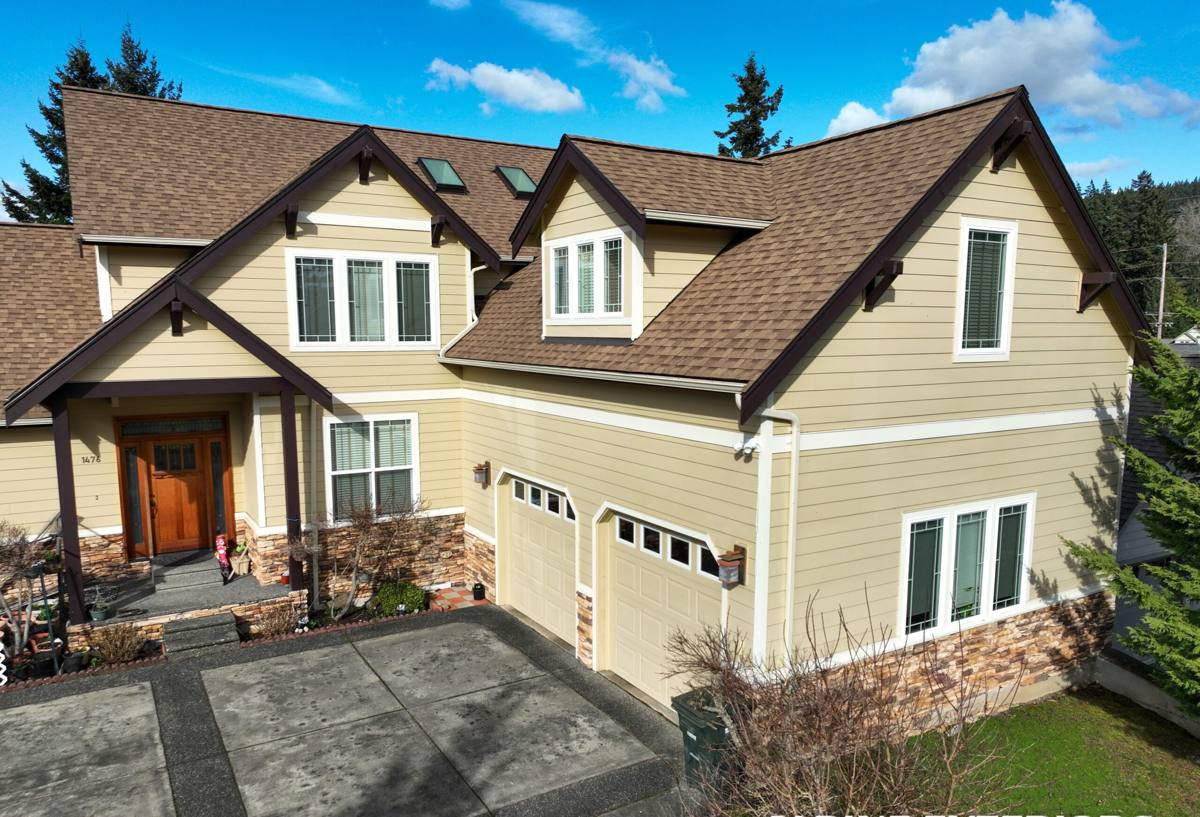
What Driving Rain and Moss Season Mean for Your Windows
Moisture Intrusion Points
Most window failures we see aren't glass failures — they're water finding a way behind the frame through a gap in flashing, a failed sealant joint, or a nailing flange that wasn't lapped correctly with the house wrap. Wind-driven rain pushes water sideways and upward, not just straight down, which means a window that would be fine in a calm climate can leak here if the flashing sequence wasn't done with that in mind. Once water gets behind a frame, it doesn't evaporate quickly in a humid river valley — it sits in the wall cavity and starts rot, mold, or fastener corrosion long before it shows up as a stain on the interior trim.
Temperature Swings in the Nooksack Valley
Deming can run noticeably colder on clear winter mornings than areas closer to the water, and that daily freeze-thaw cycling stresses old caulk, wood sills, and single-pane glass. Condensation on interior glass in the colder months is often a sign that a window's insulating value isn't keeping up with the temperature difference between inside and outside — not a defect in the window itself, but a signal that an upgrade would pay off in comfort and in preventing that moisture from sitting on the sill and frame.
Signs Your Deming Home Needs New Windows
- Soft or discolored wood at the sill or bottom corners of the frame, inside or out
- Visible moss or dark streaking on the exterior trim around the window opening
- Condensation or fogging between the panes of a double-pane unit — the seal has failed
- Windows that are difficult to open, close, or latch, especially after wet weather
- Noticeable draft or cold air movement near the frame on a windy day
- Visible gaps between the frame and siding, or cracked/missing exterior caulk
- Higher heating bills without any other explanation for the change
What a Correct Window Installation Actually Involves
Flashing and Sill Pans
The single most important part of a window installation, and the part that's easiest to skip, is the water management around the opening — not the window itself. A sloped sill pan directs any water that gets past the window itself back out to the exterior instead of into the wall. Flashing tape needs to be layered correctly with the house wrap: top piece last, so water always sheds downward and outward, never into a seam that traps it.
Insulation and Air Sealing
The gap between a new window frame and the rough opening needs to be filled with a material that insulates without expanding hard enough to bow the frame — over-filling that gap with the wrong product is a common cause of windows that won't operate smoothly a year after install. Air sealing that gap correctly also cuts down on the drafts and energy loss that make a home harder to heat through a cold Whatcom County winter.
Fit and Frame Selection
Rough openings on older Deming homes are rarely perfectly square, especially in farmhouses and cabins that have settled over the decades. A correct installation accounts for that with proper shimming and leveling rather than forcing a window to fit and relying on caulk to hide the gaps. Frame material matters too — what holds up in a drier climate isn't always the right call in a spot that stays damp for a good part of the year.
Window Types and Materials — What Fits Deming Homes
| Material | Moisture Resistance | Maintenance | Typical Cost Range* | Best Fit |
|---|---|---|---|---|
| Vinyl | Good — won't rot, but seals can degrade over time | Low | Lower end | Most homes, budget-conscious replacements |
| Fiberglass | Excellent — dimensionally stable in wet/dry cycling | Low | Mid to upper | Homes with significant sun and moisture exposure |
| Wood-clad | Good exterior protection, but interior wood needs care | Higher | Upper end | Older or historic-style homes where wood interior trim matters |
| Aluminum | Poor thermal performance, prone to condensation | Low | Lower to mid | Rarely our recommendation for this climate |
*Ranges vary widely by size, number of windows, and site conditions — we'll give you real numbers after we look at your home, not a number pulled from a national average.
We steer most Deming homeowners toward vinyl or fiberglass because both hold up well against sustained moisture without the ongoing maintenance that wood-clad units demand. That's not a knock on wood-clad windows — they have real advantages in appearance and can be the right call on a home where matching a historic look is the priority — it's just a maintenance and moisture trade-off worth understanding before you choose.
Our Installation Process
- On-site assessment. We look at your current windows, the condition of the rough openings, and any signs of past water intrusion before recommending anything.
- Honest scope and estimate. You get a clear breakdown of what's being replaced, what materials we recommend and why, and what it will cost — no pressure to upgrade beyond what your home actually needs.
- Careful removal. Old windows come out without tearing up more siding or interior trim than necessary, and we check the opening underneath for hidden rot before moving forward.
- Flashing and sill pan installation. This is where the real weatherproofing happens, done to shed water outward regardless of what direction the rain is coming from.
- Window setting, shimming, and sealing. The unit gets leveled, squared, and secured, with insulation and air sealing done correctly around the frame.
- Exterior and interior finish work. Trim, caulking, and touch-up so the finished opening looks clean inside and out.
- Final walkthrough. We test every window we touch — opening, closing, and locking — before we call the job done.
Cost Factors for Window Installation in Deming
| Factor | Why It Affects Price |
|---|---|
| Number of windows | Per-window cost typically drops on larger jobs due to shared setup and labor |
| Window size and type | Custom shapes, larger picture windows, and specialty grilles cost more than standard sizes |
| Frame material | Vinyl, fiberglass, and wood-clad carry different material costs and labor requirements |
| Condition of the opening | Hidden rot or out-of-square framing adds repair time before the new window can go in |
| Access and site conditions | Second-story windows or tight access on older homes can add labor time |
| Trim and finish work | Matching existing interior trim or exterior siding detail adds finishing time |
Why a Crew That Already Works in Deming Matters
A window installer who's worked across Whatcom County knows that a job spec written for a drier region doesn't automatically transfer to a river valley with a long moss season and wind-driven rain. That shows up in small decisions — which flashing tape holds up in sustained damp conditions, how much of a gap to leave for expansion given the temperature swings here, and which sill pan detail actually sheds water instead of just redirecting it to another weak point.
It also shows up in how a crew handles the parts of the job you don't see once the trim is back on. Flashing done right the first time doesn't announce itself — it just quietly keeps water out of your walls for the next twenty or thirty years. Flashing done wrong doesn't announce itself either, not until there's a soft spot in the siding or a stain on the drywall a few years down the road. Working this region regularly means we've seen both outcomes and know which details actually matter here versus which ones are just checkbox items.
If you're weighing whether to repair, patch, or fully replace the windows on a Deming home, we're glad to take a look and give you a straight answer — including telling you if a window doesn't need replacing yet. Reach out for a free, no-pressure estimate using the form below, and we'll walk your home's specific conditions with you before recommending anything.