 Sudden Valley Siding
 Windows Built for What Alger Weather Actually Does
Homes around Alger sit in a stretch of Washington where the weather doesn't do anything halfway. Salt-laden air moves in off the water, driving rain comes sideways for days at a stretch in the fall and winter, and a long, damp moss season settles into anything that stays shaded and wet too long. Windows take the brunt of all three. Frames corrode or swell, seals give out early, and glass that isn't rated for this kind of exposure lets heat slip out all winter and lets heat build up on the rare hot afternoon.
We've replaced and repaired windows on homes throughout this part of Whatcom County long enough to know that a window that performs well in a dry inland climate doesn't necessarily perform well here. This page is about what actually matters when you're choosing and installing energy-efficient windows for a home in Alger — not a generic rundown of window features.
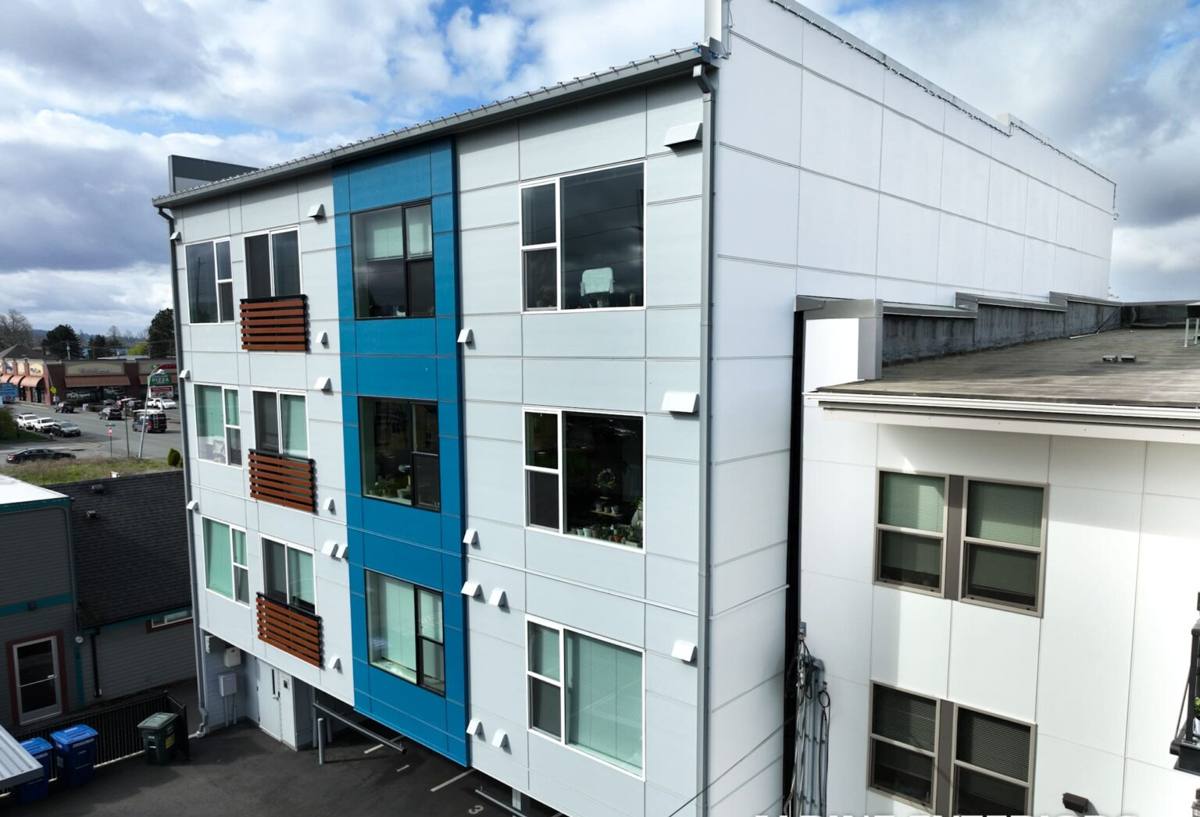
What "Energy-Efficient" Actually Means Around Here
Every window sold today gets labeled "energy-efficient" by somebody, but the term only means something when it's tied to actual performance numbers. For a home in this climate zone, three numbers matter more than any marketing claim.
U-Factor
U-factor measures how much heat escapes through the window. Lower is better. In a climate with as many gray, damp, cool months as ours, a low U-factor is the single biggest factor in whether your heating bill drops after a window replacement or barely moves.
Solar Heat Gain Coefficient (SHGC)
This measures how much solar heat passes through the glass. Homes here don't usually need to fight off intense sun the way homes in hotter, drier regions do, so this number matters less than U-factor — but it still affects comfort on west-facing rooms during the brighter summer stretch.
Air Leakage
This is where driving rain and wind become an energy problem, not just a moisture problem. A window with a poor air leakage rating will whistle, draft, and let conditioned air escape every time a storm pushes against the house. It's also the first place water finds its way in.
Any window we recommend has to perform well on all three, not just carry an efficient-sounding label.
Frame Material: The Decision That Matters Most in This Climate
Frame material choice affects energy performance, maintenance, and lifespan more than almost any other decision in a window replacement. Salt air and constant moisture are hard on some materials and barely touch others.
| Frame Material | How It Handles Salt Air & Rain | Maintenance | Our Take |
|---|---|---|---|
| Vinyl | Good — won't rust or corrode; can fade or become brittle over many years of sun and salt exposure | Low | Solid, cost-effective choice for most Alger homes |
| Fiberglass | Excellent — dimensionally stable, resists moisture and salt exposure very well | Low | Best long-term performer where budget allows |
| Wood-clad | Fair — the exterior cladding protects the wood, but any breach in the cladding or seal invites rot | Moderate to high | Only where the look matters more than low upkeep, and only with careful flashing |
| Aluminum | Poor for this application — conducts cold, and coastal moisture accelerates corrosion at fasteners and joints | Moderate | We don't recommend it for exterior-facing windows here |
We're not going to tell you a certain frame material is "junk" — every material has a place. But when a homeowner asks us what we'd put on our own house in this part of the county, vinyl and fiberglass are what we point to, because they hold up to salt air and moisture with the least amount of upkeep.
Glass Packages: Double-Pane vs. Triple-Pane
Double-pane windows with a Low-E coating and an argon gas fill are the standard energy-efficient choice for most homes in this region, and for good reason — they perform well against our cool, wet winters at a reasonable cost. Triple-pane glass adds another layer of insulation and can be worth it for north-facing rooms, homes near busier roads where sound matters, or homeowners who want the lowest possible U-factor regardless of cost. It's not usually necessary just to handle our climate, but it's not overkill either — it comes down to budget and priorities.
Low-E coatings are worth explaining briefly, because they're doing more work than most homeowners realize. The coating is a microscopically thin, transparent layer that reflects heat back into the room in winter and blocks excess heat in summer, without noticeably changing how much light comes through. Combined with an inert gas fill between the panes — usually argon — it's what turns an ordinary double-pane window into a genuinely efficient one.
The Moss Season Problem: It's Not Just About the Roof
Moss gets talked about mostly in the context of roofing, but it affects windows too, especially on the shaded, north- and east-facing sides of a house that stay damp longest. Moss and algae growth on nearby trim, siding, or sills holds moisture against the window frame far longer than open sun and air movement would allow. Over a few seasons, that constant dampness is what breaks down caulking, swells wood components, and works its way behind poorly sealed flashing.
Why Flashing and Drainage Matter as Much as the Window Itself
A high-efficiency window installed with poor flashing will still leak, still let in drafts, and still fail early — the window itself isn't the whole story. Correct installation means integrating the window with a drainage plane and flashing system that sheds water down and out, not just caulking around the edges and calling it done. This is especially important on walls that take the brunt of driving rain, which in this area usually means west- and southwest-facing exposures.
This is also where a lot of energy-efficiency claims fall apart in practice. A window can carry an excellent U-factor rating and still perform poorly if it's not sealed and flashed correctly for the conditions it's actually facing.
What a Correct Installation Involves
The window unit is only part of the job. What happens around it determines whether you get the energy performance and moisture protection you're paying for. A correct installation includes:
- Removing old windows and inspecting the rough opening and sill for hidden rot or moisture damage before anything new goes in
- Repairing or replacing any compromised framing rather than sealing over it
- Installing flashing tape and a drainage plane that directs water down and away from the opening
- Setting the window level, plumb, and square, with proper shimming so the frame isn't under stress
- Sealing and insulating the gap between the window frame and rough opening — not just caulking the exterior trim
- Finishing exterior trim and caulking with materials rated for continuous moisture exposure
- A final check of operation, seal, and drainage before the job is called complete
Skip any one of these steps and you can end up with a window that looks fine, tests fine on the showroom sticker, and still lets in cold air or water within a couple of years.
Our Process, Start to Finish
Estimate and Assessment
We walk the exterior and take a real look at existing window condition, framing, and any signs of past moisture intrusion — not just measure openings and hand you a price sheet.
Product Selection
We talk through frame material, glass package, and budget honestly, including trade-offs, so you're choosing based on what fits your home and priorities, not a sales pitch.
Installation
Old windows come out, framing gets inspected and repaired as needed, and new units go in with proper flashing and drainage — not just swapped and caulked.
Cleanup and Final Walkthrough
We clean up the work area, check every window for smooth operation and a tight seal, and walk you through what we did before we consider the job finished.
Signs Your Current Windows Are Costing You Money
Homeowners often wait too long to replace windows because the problems show up gradually. A few signs worth paying attention to:
- Visible condensation or fogging between the panes, which means the seal has failed
- Drafts you can feel near the frame on windy or rainy days
- Frames that feel soft, spongy, or show staining at the corners
- Difficulty opening, closing, or locking the window
- Rooms near older windows that are noticeably harder to heat or hold heat than the rest of the house
Any one of these on its own might not mean full replacement is urgent, but a few of them together, especially on the sides of the house that take the most weather, are usually a sign the windows are past the point of energy efficiency, whatever their age.
Why a Crew That Already Works in Alger Makes a Difference
General window guidance only goes so far. A crew that's worked on homes throughout this part of Whatcom County knows which sides of a house typically take the worst of the driving rain, how moss and moisture tend to build up on shaded elevations, and which framing and flashing details hold up over years of this specific climate instead of just passing inspection on install day. That local pattern recognition is what separates a window job that looks right on day one from one that's still performing right in year ten.
We're not guessing at how salt air and a long wet season affect a window installation — it's what we work with regularly. That's the standard we hold every job to, whether it's one window or a full-home replacement.
If your windows are drafty, fogged, hard to operate, or just old enough that you're wondering if it's time, we're happy to take a look. Fill out the form below for a free, no-pressure estimate — we'll give you a straight answer about what your home actually needs.