 Sudden Valley Siding
 Siding That Has to Work in Geneva's Climate, Not Just Look Good
Geneva sits close enough to Lake Whatcom and the broader Whatcom County weather pattern that siding here takes a different kind of beating than siding on a house forty miles inland. Homes get a steady mix of salt-laden air moving up from the Sound, long stretches of driving rain off the water, and a moss season that can run from October through May in shaded spots. That combination is hard on the wrong siding material and forgiving on the right one, which is why the material choice matters as much as the installation crew.
We install James Hardie fiber cement siding exclusively. Not vinyl, not LP SmartSide, not Cemplank or Allura, not primed spruce or cedar. That's not a marketing position — it's a standard we hold because we've seen what this specific climate does to the alternatives over ten and twenty year timelines, and we'd rather turn down jobs than put something on a Geneva home that we know will disappoint the owner in year eight.
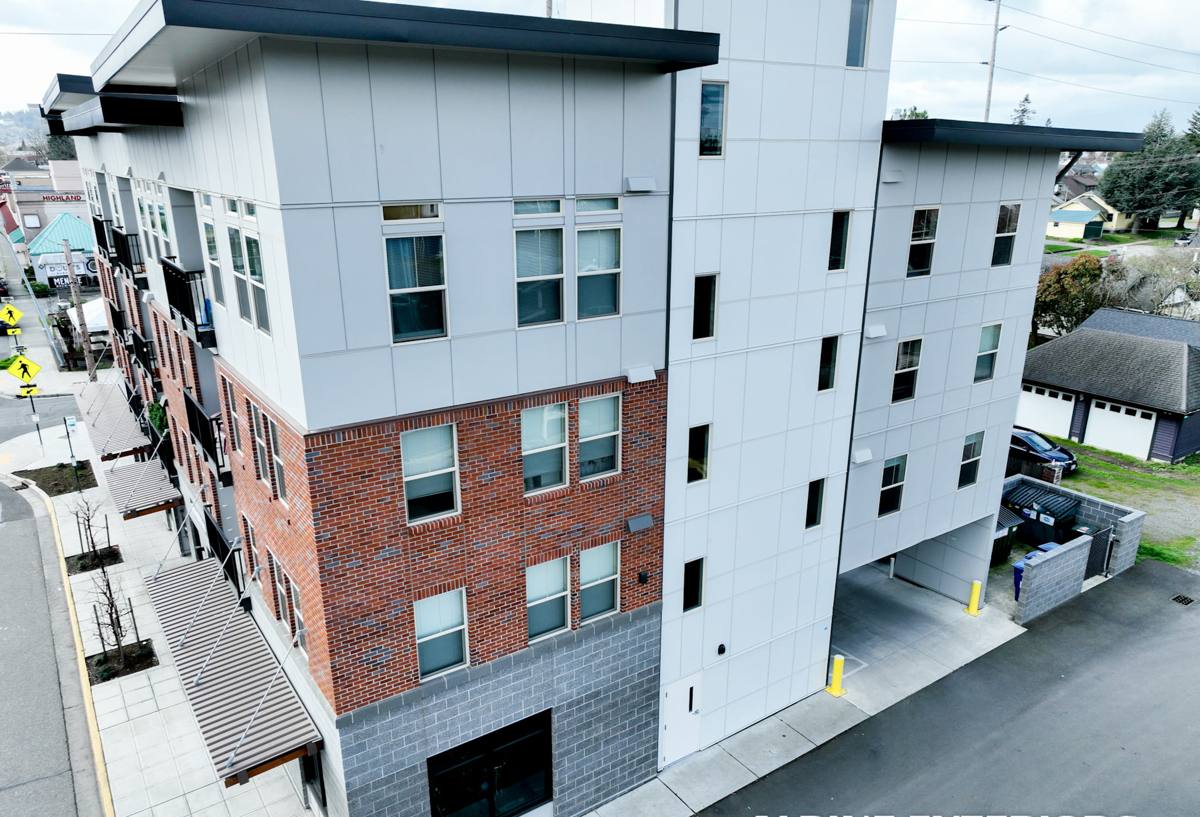
What Salt Air, Rain, and Moss Actually Do to Siding
Salt Air
Salt-carrying moisture accelerates corrosion on fasteners, trim flashing, and any exposed metal components. It also speeds up the breakdown of lower-grade coatings, which is part of why factory-applied finishes matter more here than in drier inland climates. A finish that's baked on at the factory under controlled conditions holds up to salt exposure in a way that field-applied paint generally doesn't.
Driving Rain
Wind-driven rain doesn't just wet a wall — it pushes water sideways and upward into laps, seams, and penetrations. Siding that isn't installed with the right clearances, flashing, and drainage plane will trap that water behind the cladding, where it causes rot in sheathing and framing long before anyone notices a problem on the surface.
Moss and Prolonged Dampness
Shaded north walls and areas under tree cover in and around Geneva stay damp for months at a time. Moss and algae growth on siding surfaces isn't just cosmetic — it holds moisture against the material and, on wood-based or wood-fiber products, that sustained dampness is exactly what feeds rot and delamination. A siding material's resistance to moisture absorption determines how much of a problem this actually becomes.
Why We Standardized on James Hardie Fiber Cement
James Hardie fiber cement is cement, sand, and cellulose fiber — non-combustible, dimensionally stable, and engineered specifically for regional moisture conditions through Hardie's HZ5 product designation, which is built for climates like ours with freeze-thaw cycling and sustained wet weather. It doesn't absorb water the way wood-based products do, and it doesn't warp or bow when it takes on the kind of prolonged dampness Geneva winters produce.
The ColorPlus factory finish is the other half of the equation. It's baked on in a controlled environment with multiple coats and a clear topcoat, and it carries its own finish warranty separate from the substrate warranty. In a salt-air environment, a factory finish that resists fading and chalking outperforms field-applied paint over the long run, and it means fewer repaint cycles over the life of the siding.
Where the Alternatives Fall Short Here Specifically
- Vinyl siding flexes and can distort in wind-driven rain events, and its seams are a weak point for water intrusion over time; it also can't be painted to refresh a home's look later.
- LP SmartSide is a wood-strand product — better than raw wood in many ways, but still wood-based, meaning cut edges and any moisture intrusion point are more vulnerable than a cement-based product in a wet, salt-influenced climate.
- Cedar and primed spruce require the most ongoing maintenance of any option — regular refinishing, vigilant caulking, and real vulnerability to the rot that comes from sustained dampness and moss growth.
- Other fiber cement brands (Cemplank, Allura) use similar base chemistry to Hardie but don't carry the same factory-finish track record or the region-specific HZ engineering that Hardie has built out over decades.
What a Correct Installation Actually Involves
Fiber cement siding is only as good as the installation behind it. Most siding failures we get called out to inspect on older homes trace back to installation shortcuts, not the material itself. A correct James Hardie installation in this climate includes:
- A properly lapped weather-resistive barrier behind the siding, with all penetrations flashed before a single board goes up
- Correct fastener placement and type — Hardie specifies fastener patterns and materials, and using the wrong ones voids warranty coverage and invites corrosion in a salt-air setting
- Proper clearance at the foundation, roofline, and any horizontal trim — Hardie's minimum clearances exist specifically to keep splash-back and standing moisture off the board's bottom edge
- Correctly caulked and sealed butt joints, corners, and window/door trim, using sealants rated for the movement and moisture exposure this climate produces
- Ventilation behind the cladding so any incidental moisture that does get behind the boards can dry out instead of sitting there
Skipping any one of these doesn't show up as a problem on day one. It shows up in year five or ten as staining, soft trim, or a warranty claim that gets denied because the installation didn't meet manufacturer specification.
Hardie Product Lines That Make Sense for Geneva Homes
| Product | Best Use | Why It Fits This Climate |
|---|---|---|
| HardiePlank Lap Siding (HZ5) | Primary wall cladding | Engineered for wet, variable climates; wide color and texture range |
| HardiePanel Vertical Siding | Accent walls, gables, modern facades | Clean lines with the same moisture and salt-air performance as lap siding |
| HardieTrim Boards | Corners, fascia, window and door trim | Matches substrate performance so trim doesn't become the weak point |
| HardieSoffit Panels | Eaves and overhangs | Resists the sustained dampness common under shaded eaves near tree cover |
Our Process for Geneva and Sudden Valley Homes
- On-site assessment — we look at sun exposure, tree cover, drainage patterns around the foundation, and the condition of the existing wall assembly before quoting anything
- Tear-off and sheathing check — removing old siding lets us inspect for hidden rot or moisture damage before it gets covered back up
- Weather barrier and flashing — installed to current best practice, not just to whatever was there before
- Hardie installation to manufacturer spec — correct fasteners, clearances, and joint treatment throughout
- Trim, caulking, and final detailing — the parts most likely to be rushed on a lower-quality job are where we spend the most careful attention
- Walkthrough and cleanup — you see the finished work and understand what was done before we consider the job complete
Maintenance: What Geneva Homeowners Should Actually Do
- Rinse siding annually, especially shaded north- and east-facing walls where moss takes hold first
- Keep gutters clear so overflow doesn't run down the wall face and stay wet longer than necessary
- Trim back vegetation that keeps a wall section shaded and damp through the winter
- Re-caulk joints and trim intersections if you notice cracking or gaps — small gaps are cheap to fix and expensive to ignore
- Have a professional inspect flashing at rooflines and windows every few years, since that's where slow leaks start
Cost Factors for a Geneva Fiber Cement Project
| Factor | Impact on Cost |
|---|---|
| Tear-off scope | Full removal of old wood or vinyl siding adds labor versus a bare-wall new build |
| Hidden sheathing repair | Rot found during tear-off (more common on older, moss-prone homes) adds material and labor |
| Home shape and trim detail | Multiple gables, dormers, and trim-heavy elevations take more time than simple rectangular walls |
| Access and site conditions | Slopes, tree-lined lots, and tight setbacks common around Sudden Valley can affect staging and scaffolding needs |
| Product selection | Lap profile, panel texture, and ColorPlus color all carry different material costs |
Why Hire a Crew That Already Works This Area
A crew that's already worked Geneva and the surrounding Sudden Valley area knows what to expect before they show up: the drainage quirks of homes built into the terrain here, the moss patterns on shaded lots, and the practical realities of accessing homes on wooded or sloped sites. That familiarity shows up in fewer surprises during tear-off and a job that accounts for this specific climate rather than a generic installation approach borrowed from a drier region. It also means a crew with a real, local reputation to protect — not a traveling outfit that's gone before problems surface.
If you're weighing siding options for a Geneva home, we're happy to walk the property, look at what's there now, and give you a straight assessment of what correct James Hardie installation would involve and what it would cost. There's no pressure and no obligation — just a clear look at what your home actually needs.